Marie Chabaud
Dianthus caryophyllus
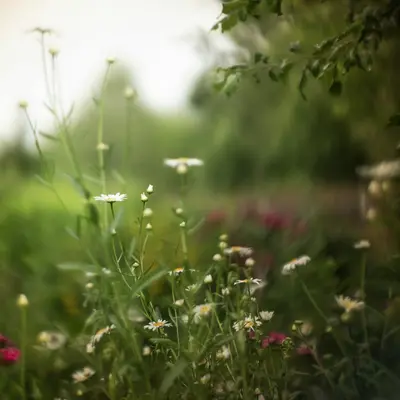
Vintage carnations present the sweet and spicy fragrance of clove. Frilly, pale lemon yellow, 1 1/2-2" double blooms with a small percentage of singles. Grass-like, gray or blue-green foliage. Blooms late July through August in our trials and is best grown as an annual for cut-flower production. Chabaud is an old-fashioned type dating back to as early as 1904. D. caryophyllus is native to the Mediterranean, where emotional attachment to this flower first took root. Also known as annual carnation. Pronounced shab-o, with a long "o." Tender perennial in Zones 6-8. Edible Flowers: Use the flower petals to garnish salads, desserts, soups, icing, and cold drinks. Flavor is of mild clove. Remove the petals from the flower base before consuming as the base can be quite bitter.
Harvest
130-140d
Days to harvest
Sun
Full sun to partial shade
Zones
6–9
USDA hardiness
Height
1-4 feet
Planting Timeline
Showing dates for Marie Chabaud in USDA Zone 7
All Zone 7 flower →Zone Map
Click a state to update dates
Marie Chabaud · Zones 6–9
Growing Details
Complete Growing Guide
Vintage carnations present the sweet and spicy fragrance of clove. Frilly, pale lemon yellow, 1 1/2-2" double blooms with a small percentage of singles. Grass-like, gray or blue-green foliage. Blooms late July through August in our trials and is best grown as an annual for cut-flower production. Chabaud is an old-fashioned type dating back to as early as 1904. D. caryophyllus is native to the Mediterranean, where emotional attachment to this flower first took root. Also known as annual carnation. Pronounced shab-o, with a long "o." Tender perennial in Zones 6-8. Edible Flowers: Use the flower petals to garnish salads, desserts, soups, icing, and cold drinks. Flavor is of mild clove. Remove the petals from the flower base before consuming as the base can be quite bitter. According to Johnny's Selected Seeds, Marie Chabaud is 130 - 140 days to maturity, tender perennial, open pollinated. Notable features: Heirloom, Use for Cut Flowers and Bouquets, Edible Flowers, Fragrant.
Light: Full sun (6 or more hours of direct sunlight a day), Partial Shade (Direct sunlight only part of the day, 2-6 hours). Soil: Clay, High Organic Matter, Loam (Silt), Sand. Soil pH: Alkaline (>8.0), Neutral (6.0-8.0). Drainage: Good Drainage, Moist. Height: 1 ft. 0 in. - 4 ft. 0 in.. Spread: 0 ft. 6 in. - 1 ft. 0 in.. Spacing: Less than 12 inches. Growth rate: Medium. Maintenance: Medium. Propagation: Seed, Stem Cutting. Regions: Coastal, Mountains, Piedmont.
Harvesting
Marie Chabaud reaches harvest at 130 - 140 days from sowing per Johnny's Selected Seeds. Expect 1 1/2-2" at peak.
Type: Capsule.
Edibility: Flowers are edible.
Storage & Preservation
Marie Chabaud carnations are best stored fresh in a cool environment. Keep cut flowers in a refrigerator at 35-40°F with high humidity (90-95%) to extend vase life to 10-14 days. Remove lower foliage to prevent bacterial growth. For preservation, dry the blooms by hanging upside down in a dark, well-ventilated space for 2-3 weeks, or use silica gel drying for faster results that maintain color vibrancy. Pressed flowers between parchment paper under weights retain their form for long-term crafts and arrangements.
History & Origin
Marie Chabaud is open-pollinated, meaning seed saved from healthy plants will produce true-to-type offspring. Listed in the Johnny's Selected Seeds catalog.
Origin: Mediterranean area but exact range unknown
Advantages
- +Sweet, spicy clove fragrance makes this vintage carnation exceptionally aromatic.
- +Frilly double blooms provide abundant petals for cutting and arrangements.
- +Edible flower petals add mild clove flavor to culinary dishes.
- +Easy to grow as annual with straightforward 130-140 day timeline.
- +Long blooming period from late July through August maximizes harvest.
Considerations
- -Tender perennial requires annual replanting outside Mediterranean zones 6-8.
- -Single blooms mixed with doubles reduces consistency for commercial cut production.
- -Bitter flower base requires careful petal removal before culinary consumption.
Companion Plants
Marigolds (especially Tagetes patula) are the most practical neighbor here — their root secretions deter root-knot nematodes, which weaken carnation plants the same way compacted, waterlogged soil does. Alyssum draws in parasitic wasps that suppress aphid and thrips populations without any spraying on your part. Lavender and Rosemary share Marie Chabaud's preference for sharp drainage and won't fight her for moisture. Skip Fennel: it releases allelopathic compounds through its roots that stunt many flowering perennials, and Dianthus takes the hit reliably. Black Walnut causes the same kind of root-zone damage via juglone — plant well clear of any walnut trees on the property.
Plant Together
Marigolds
Repel aphids, whiteflies, and nematodes while attracting beneficial insects
Alyssum
Attracts beneficial insects like lacewings and hover flies that control pests
Nasturtiums
Act as trap crop for aphids and cucumber beetles, drawing them away from carnations
Lavender
Repels moths, fleas, and mosquitoes while providing complementary fragrance
Dianthus
Similar growing requirements and cultural needs, creates attractive color combinations
Catmint
Deters ants, aphids, and rodents while attracting pollinators
Snapdragons
Provide vertical interest and attract beneficial predatory insects
Rosemary
Repels cabbage moths, bean beetles, and carrot flies with strong aromatic oils
Keep Apart
Black Walnut
Produces juglone toxin that inhibits growth and can kill carnations
Eucalyptus
Releases allelopathic compounds that suppress growth of nearby flowering plants
Fennel
Inhibits growth of most garden plants through allelopathic root secretions
Pests & Disease Resistance
Common Pests
Aphids, spider mites, thrips, carnation flies
Diseases
Fusarium wilt, bacterial spot, rust, Septoria leaf spot
Troubleshooting Marie Chabaud
What you'll see, why it happens, and what to do about it.
Leaves and stems show orange or reddish-brown powdery pustules, usually on the undersides first
Likely Causes
- Carnation rust (Uromyces dianthi) — a fungal disease that spreads by airborne spore in humid, cool-to-warm conditions
- Poor airflow from crowded spacing or overplanting
What to Do
- 1.Remove and trash all affected foliage immediately — don't compost it
- 2.Space plants at least 12 inches apart and thin any growth blocking airflow through the center
- 3.Apply a sulfur-based fungicide on a 7-10 day schedule if the infection is spreading
Plant wilts suddenly despite adequate soil moisture, and the lower stem turns brown or tan at the soil line
Likely Causes
- Fusarium wilt (Fusarium oxysporum f. sp. dianthi) — a soil-borne fungus that clogs the plant's vascular tissue; there's no saving an infected stem
- Overly wet or poorly drained soil that stresses roots and makes infection far more likely
What to Do
- 1.Pull and dispose of the infected plant — do not compost it — to keep spores from persisting in the bed
- 2.Hold off replanting Dianthus or other carnation-family plants in that spot for at least 3 years
- 3.Before the next planting cycle, work perlite into the bed or switch to a raised bed; standing water after rain is the setup for repeat infections
Tiny distorted buds, sticky residue on stems and leaves, or silver streaking on petals
Likely Causes
- Thrips (Frankliniella occidentalis) — nearly invisible insects that rasp flower tissue and can vector impatiens necrotic spot virus
- Aphid colonies, which cluster on new growth and excrete honeydew that leads to sooty mold
What to Do
- 1.Blast aphid colonies off with a firm stream of water; repeat every 2-3 days until the population drops
- 2.For thrips, introduce Amblyseius cucumeris (a predatory mite) if growing under cover, or apply spinosad as a targeted spray outdoors
- 3.Check inside buds and leaf undersides weekly — catching either pest in the first few days beats dealing with a full colony at week 3
Frequently Asked Questions
How long do Marie Chabaud carnation cut flowers last?▼
Can I grow Marie Chabaud carnations in containers?▼
What does Marie Chabaud carnation taste like?▼
When should I plant Marie Chabaud carnation seeds?▼
Is Marie Chabaud a good carnation variety for beginners?▼
How far apart should I space Marie Chabaud carnation plants?▼
Zone-by-Zone Planting Calendar
| Zone | Indoor Start | Transplant | Direct Sow | Harvest |
|---|---|---|---|---|
| Zone 3 | April – May | June – July | June – August | — |
| Zone 4 | March – April | June – June | June – July | — |
| Zone 5 | March – April | May – June | May – July | — |
| Zone 6 | March – April | May – June | May – July | — |
| Zone 7 | February – March | April – May | April – June | — |
| Zone 8 | February – March | April – May | April – June | — |
| Zone 9 | January – February | March – April | March – May | — |
| Zone 10 | January – January | February – March | February – April | — |
| Zone 1 | May – June | July – August | July – September | — |
| Zone 2 | April – May | June – July | June – August | — |
| Zone 11 | January – January | January – February | January – March | — |
| Zone 12 | January – January | January – February | January – March | — |
| Zone 13 | January – January | January – February | January – March | — |
Growing Guides from Wind River Greens
Sources & References
External authority sources used in compiling this guide.
- BreederJohnny's Selected Seeds
See the Methodology page for how this data is sourced, what's AI-assisted, and known limitations.