Maestro
Pisum sativum 'Maestro'
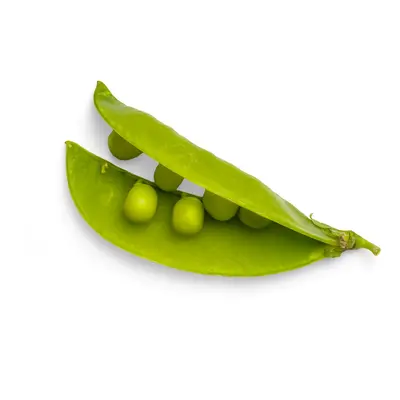
A premium shelling pea that produces exceptionally large, sweet peas in abundant clusters. This vigorous variety is prized by gardeners for its outstanding flavor and impressive yields that make all the shelling effort worthwhile. Maestro consistently ranks among the best-tasting garden peas available.
Harvest
61-65d
Days to harvest
Sun
Full sun to partial shade
Zones
2–11
USDA hardiness
Height
12-18 inches
Planting Timeline
Showing dates for Maestro in USDA Zone 7
All Zone 7 pea →Zone Map
Click a state to update dates
Maestro · Zones 2–11
Growing Details
Succession Planting
Direct sow Maestro every 14 days starting as soon as soil hits 45°F in late winter or early spring, and keep sowing through early May in most zones. Stop once daytime highs are consistently above 75°F — pod set drops off sharply above that threshold and what does form tends to be tough and starchy. In zones 6–7, your last viable spring sow is usually around April 15–30. For a fall run, count back 65 days from your first expected frost date and sow then; soil needs to be below 85°F for germination to hit the 7–10 day range.
Three successions — say March 1, March 15, and April 1 — gives you a rolling harvest rather than one glut, and is about right for a home garden or small CSA share. Any more and the earliest planting is already declining before the last one comes in.
Complete Growing Guide
Start your Maestro pea seeds directly in the garden 4-6 weeks before your last expected frost date. These cold-hardy seeds actually germinate better in cool soil temperatures between 45-65°F, making them perfect for early spring planting. Choose a location that receives 5-8 hours of sunlight, though they'll appreciate some afternoon shade in zones 8-9 where spring temperatures climb quickly.
Prepare your planting bed by working 2-3 inches of compost into the soil along with a balanced organic fertilizer (10-10-10) at planting time. Peas are nitrogen-fixing legumes, so avoid high-nitrogen fertilizers that will produce lush foliage at the expense of pod production. Plant seeds 1.5 inches deep and 2-3 inches apart in double rows spaced 6 inches apart, with 2-3 feet between each double row for easy harvesting access.
Install your support system before planting or immediately after emergence. Maestro vines reach 24-30 inches tall and produce heavy clusters of pods, requiring sturdy 4-foot trellises, wire cages, or traditional pea fences. Avoid flimsy stakes that will topple under the weight of mature plants loaded with pods.
Water consistently to maintain even soil moisture, especially during flowering and pod development. Inconsistent watering leads to poor pod fill and stringy peas. Apply 1-1.5 inches weekly through drip irrigation or soaker hoses to keep foliage dry and prevent disease issues.
The most common mistake with Maestro is planting too late in spring. These cool-season crops need to complete their harvest before summer heat arrives. In zones 6-7, plant by mid-March; in zones 3-5, plant as soon as soil can be worked in April. For fall harvests in northern zones, plant 10-12 weeks before your first hard frost.
To maximize yields, harvest pods every 2-3 days once production begins. Regular picking encourages continued flower and pod production. Side-dress plants with compost when pods begin forming, and mulch around plants to maintain soil moisture and suppress weeds that compete for nutrients.
Harvesting
Maestro peas reach peak harvest quality 61-65 days from planting when pods are bright green, plump, and filled but still tender. The pods should feel firm when gently squeezed, with peas inside clearly visible through the pod wall but not so large that the pod appears stretched or pale green.
Perform the 'snap test' by gently bending a pod - it should snap crisply rather than bend limply. Harvest in early morning when pods are crisp and sugar content is highest. Avoid harvesting when pods are wet from dew or rain, as wet pods are more susceptible to damage.
Grasp the vine stem with one hand while picking pods with the other to prevent damaging the plant. Pods should detach easily with a gentle twist and pull motion. Overmature pods will be lighter green, feel tough, and contain starchy rather than sweet peas. Check plants daily during peak season as Maestro produces abundant clusters that can mature quickly in warm weather.
Storage & Preservation
Fresh Maestro peas maintain peak quality for 3-5 days when stored unwashed in perforated plastic bags in the refrigerator crisper drawer at 32-35°F. Keep pods in their shells until ready to use, as shelled peas lose sweetness rapidly.
For freezing, blanch shelled peas in boiling water for 2 minutes, immediately transfer to ice water, drain thoroughly, and freeze in portion-sized containers. Properly blanched Maestro peas maintain excellent flavor for 8-12 months frozen.
Dehydrating works well for making split peas - allow pods to mature and dry on the plant until light brown, then shell and store dried peas in airtight containers for winter soups and stews. Fresh pods can also be quickly pickled whole when young and tender for a crisp, tangy preserve.
History & Origin
Maestro is a relatively recent hybrid variety developed through modern breeding programs focused on combining exceptional flavor with disease resistance and high yields. Unlike many heirloom peas that trace back centuries, Maestro represents contemporary plant breeding efforts to create the 'perfect' shelling pea for home gardeners.
This variety was specifically bred to address common complaints about garden peas - poor disease resistance, inconsistent yields, and the labor-intensive nature of shelling small peas. By developing larger, more uniform peas with excellent fusarium wilt resistance, breeders created a variety that delivers both quality and reliability.
The name 'Maestro' reflects its position as a master performer among shelling peas, consistently ranking in trials for both flavor and productivity. While it lacks the romantic history of heirloom varieties like Thomas Laxton or Lincoln, Maestro represents the successful application of modern breeding techniques to improve upon traditional pea varieties while maintaining the classic sweet pea flavor gardeners expect.
Advantages
- +Exceptionally large peas make shelling worthwhile compared to smaller varieties
- +Outstanding fusarium wilt resistance prevents sudden plant collapse in infected soils
- +Produces abundant clusters with 7-9 peas per pod for impressive yields
- +Maintains sweetness longer after harvest than many shelling peas
- +Vigorous vines continue producing over 3-4 week harvest window
- +Good powdery mildew resistance reduces need for fungicide treatments
- +Performs consistently across different growing conditions and climates
Considerations
- -Hybrid variety means seeds cannot be saved for next year's planting
- -Requires sturdy support systems due to heavy pod clusters that can topple weak stakes
- -61-65 day maturity is slower than some early pea varieties
- -Susceptible to pea enation mosaic virus in areas where aphids are problematic
- -Heat sensitive and production drops quickly when temperatures exceed 75°F
Companion Plants
Carrots and radishes are the most practical companions for Maestro. They occupy a different root zone — radishes at just 4–6 inches down, carrots deeper — so neither one competes for the moisture peas need at 1–1.5 inches per week during flowering. Radishes also pull double duty as a trap crop for slugs, which do real damage to pea seedlings in cool, damp soil. Lettuce and spinach fill the gaps between rows without problem: shallow-rooted, short-statured, and they're gone before the peas need the space.
Onions and garlic are the companions worth actively avoiding. Alliums release sulfur-based compounds that suppress the Rhizobium bacteria living in pea root nodules — the very bacteria responsible for nitrogen fixation, which is one of the main reasons to grow legumes in rotation. Gladiolus shares several soil-borne pathogens with peas, including the root rot organisms that hit hardest in wet springs, and there's nothing it offers to offset that risk.
Plant Together
Carrots
Peas add nitrogen to soil that carrots utilize, while carrots break up soil for pea roots
Radishes
Break up compacted soil and mature quickly, providing space for pea root expansion
Lettuce
Benefits from nitrogen fixed by peas and provides living mulch to retain soil moisture
Spinach
Utilizes nitrogen from pea root nodules and has similar cool-season growing requirements
Mint
Repels ants and rodents that may eat pea seeds and pods
Chives
Deters aphids and other soft-bodied insects that commonly attack pea plants
Marigolds
Attract beneficial insects and may help deter nematodes in the soil
Cucumbers
Benefit from nitrogen fixed by peas and can use pea trellises after harvest
Keep Apart
Onions
Can inhibit pea growth and nitrogen fixation through root secretions
Garlic
Allelopathic compounds can stunt pea growth and reduce pod production
Gladiolus
Competes heavily for nutrients and may harbor thrips that damage pea flowers
Nutrition Facts
Per 100g serving. % Daily Value based on 2,000 calorie diet. Source: USDA FoodData Central (FDC #170419)
Pests & Disease Resistance
Resistance
Excellent resistance to fusarium wilt race 1, good powdery mildew resistance
Common Pests
Aphids, pea moths, leaf miners, slugs
Diseases
Downy mildew, root rot, pea enation mosaic virus, ascochyta blight
Troubleshooting Maestro
What you'll see, why it happens, and what to do about it.
Gray or bluish-white fuzz on the undersides of leaves, upper surface showing pale yellow patches, usually appearing in cool wet spells
Likely Causes
- Downy mildew — a fungus-like oomycete that thrives when temps stay between 45–65°F and foliage stays wet overnight
- Crowded rows with poor airflow, especially in a spring planting where plants are touching
What to Do
- 1.Pull and trash any heavily infected leaves — don't compost them
- 2.Space plants the full 3–4 inches and keep rows open; Maestro tops out at 18 inches so it's easy to crowd too tight
- 3.Water at the base, not overhead, and do it in the morning so foliage dries before nightfall
Stunted, puckered leaves with mosaic yellowing or dark green blistering, plants not sizing up by day 30
Likely Causes
- Pea enation mosaic virus (PEMV), transmitted by aphids — a single aphid feeding event is enough to spread it
- Aphid colonies going unnoticed on the undersides of young leaves early in the season
What to Do
- 1.Check the undersides of leaves twice a week from emergence onward; knock aphids off with a firm spray of water if you catch colonies early
- 2.Pull any plant showing mosaic symptoms immediately — PEMV has no cure and infected plants are a reservoir for aphids to spread it further
- 3.Drape row cover over germinating seed to block aphid access during the most vulnerable first 3 weeks
Frequently Asked Questions
How long does Maestro pea take to grow from seed to harvest?▼
Can you grow Maestro peas in containers?▼
Is Maestro pea good for beginners?▼
What does Maestro pea taste like compared to store-bought peas?▼
When should I plant Maestro peas in my area?▼
Do Maestro peas need support or can they grow without trellising?▼
Zone-by-Zone Planting Calendar
| Zone | Indoor Start | Transplant | Direct Sow | Harvest |
|---|---|---|---|---|
| Zone 3 | — | — | May – June | July – October |
| Zone 4 | — | — | April – June | June – October |
| Zone 5 | — | — | April – May | June – November |
| Zone 6 | — | — | April – May | June – November |
| Zone 7 | — | — | March – May | May – November |
| Zone 8 | — | — | March – April | May – December |
| Zone 9 | — | — | February – March | April – December |
| Zone 10 | — | — | January – March | March – December |
| Zone 1 | — | — | June – July | August – September |
| Zone 2 | — | — | May – July | July – September |
| Zone 11 | — | — | January – February | February – December |
| Zone 12 | — | — | January – February | February – December |
| Zone 13 | — | — | January – February | February – December |
Growing Guides from Wind River Greens
Sources & References
External authority sources used in compiling this guide.
See the Methodology page for how this data is sourced, what's AI-assisted, and known limitations.