EarliSnow
Brassica oleracea var. botrytis
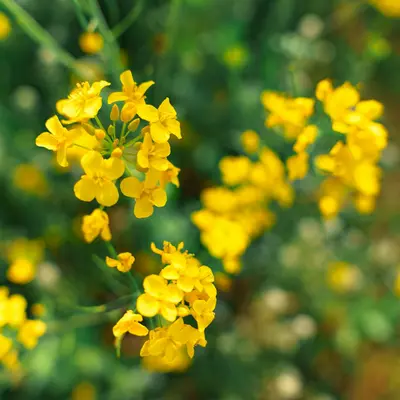
Performs well in both spring and fall trials. Earlier, more consistent, and more dependable than Snow Crown. Medium-size plant with an average wrap. Widely adapted.
Harvest
45d
Days to harvest
Sun
Full sun to partial shade
Zones
6–9
USDA hardiness
Height
10-24 inches
Planting Timeline
Showing dates for EarliSnow in USDA Zone 7
All Zone 7 brassica →Zone Map
Click a state to update dates
EarliSnow · Zones 6–9
Growing Details
Succession Planting
EarliSnow matures in about 45 days, and in zone 7 you've got two workable windows. Start seeds indoors in late February, transplant out in April, and aim for a late May or early June harvest before daytime highs push consistently past 80°F — heat causes buttoning (tiny, premature heads) and turns the curd grainy. For a fall crop, count back 45 days from your first expected frost (typically mid-October in zone 7), which puts your transplant date around late August and your indoor sow date in mid-July.
Don't try to stagger EarliSnow on a 2-week rolling schedule the way you would lettuce. The heat window is too narrow — a planting started even 3 weeks after your first spring transplants will likely be heading up right when temperatures spike. Two plantings per year, spring and fall, is the practical ceiling for most zone 7 growers.
Complete Growing Guide
Performs well in both spring and fall trials. Earlier, more consistent, and more dependable than Snow Crown. Medium-size plant with an average wrap. Widely adapted. According to Johnny's Selected Seeds, EarliSnow is 45 days to maturity, annual, hybrid (f1). Notable features: Heat Tolerant.
Light: Full sun (6 or more hours of direct sunlight a day), Partial Shade (Direct sunlight only part of the day, 2-6 hours). Soil: Clay, Loam (Silt), Sand. Soil pH: Acid (<6.0), Neutral (6.0-8.0). Drainage: Good Drainage, Moist. Height: 0 ft. 10 in. - 2 ft. 0 in.. Spread: 1 ft. 0 in. - 2 ft. 0 in.. Spacing: 12 inches-3 feet. Growth rate: Medium. Maintenance: Medium. Propagation: Seed, Stem Cutting. Regions: Coastal, Mountains, Piedmont.
Harvesting
EarliSnow reaches harvest at 45 days from sowing per Johnny's Selected Seeds. As an annual, harvest continues until frost ends the season.
The fruits dry and split when ripe.
Color: Brown/Copper, Green. Type: Siliqua. Length: > 3 inches.
Garden value: Edible
Harvest time: Fall, Summer
Edibility: The foliage is edible raw or cooked but when cooked can emit an unpleasant odor.
Storage & Preservation
Store freshly harvested EarliSnow heads in a perforated plastic bag in the refrigerator's crisper drawer at 32–40°F with 95% humidity. Properly stored heads keep for two to three weeks, though flavor quality peaks within the first ten days. For longer preservation, blanch florets for three minutes, cool immediately in ice water, then freeze in airtight containers for up to eight months. Alternatively, pickle florets in a vinegar brine, or dry thin slices in a low oven at 120°F until brittle for concentrated flavor in soups and stir-fries. Because EarliSnow's compact heads mature quickly and uniformly, harvest the entire head just as the curds feel firm but before buds begin separating—this harvest timing ensures superior texture retention through all preservation methods.
History & Origin
EarliSnow is an F1 hybrid developed through controlled cross-pollination. Listed in the Johnny's Selected Seeds catalog.
Origin: W. Europe
Advantages
- +Earlier maturity than Snow Crown variety saves time and resources
- +Performs reliably in both spring and fall growing seasons
- +More consistent head formation reduces crop unpredictability and waste
- +Medium plant size fits diverse spacing and field configurations
- +Easy cultivation makes it suitable for beginner and commercial growers
Considerations
- -Medium-size heads may yield less total weight per plant
- -Average wrap offers less leaf protection against weather damage
- -Widely adapted but may underperform in extreme climate conditions
- -Requires consistent moisture for optimal head development
Companion Plants
Dill and thyme are the two worth prioritizing near EarliSnow. Dill draws in parasitic Braconid wasps that target imported cabbageworm larvae (Pieris rapae), which will find your cauliflower regardless — the wasps just give you a fighting chance. Thyme works differently: its low, dense growth and volatile oils confuse flea beetles at the soil level. French marigolds (Tagetes patula) are worth tucking at the row ends too; they don't do much for above-ground caterpillar pressure, but in zone 7 Georgia where nematode loads build up in beds cycled through heavy feeders, NC State Extension recommends a full season of French marigolds before returning susceptible crops to a problem bed.
Keep tomatoes and mustard out. Tomatoes compete hard for the same calcium and nitrogen load and offer no pest-deterrent tradeoff — you're just crowding two hungry crops together. Mustard catches people off guard because it looks like a sensible herb-garden neighbor, but it's Brassicaceae, same family as cauliflower, which means it hosts clubroot, black rot, and every cabbageworm generation you're trying to manage. Planting it nearby seeds the next problem before the current one is finished.
Plant Together
Dill
Attracts beneficial insects like parasitic wasps that control cabbage worms
Onions
Repels cabbage maggots, aphids, and flea beetles with strong sulfur compounds
Marigolds
Deters cabbage worms, aphids, and other brassica pests with natural compounds
Nasturtiums
Acts as trap crop for aphids and flea beetles, drawing them away from cauliflower
Celery
Repels cabbage white butterflies and improves growth through root interactions
Spinach
Provides ground cover and doesn't compete for nutrients, matures before cauliflower needs space
Thyme
Repels cabbage worms and whiteflies while attracting beneficial predatory insects
Lettuce
Efficient space use as understory crop, harvested before cauliflower heads form
Keep Apart
Strawberries
Compete for similar nutrients and may stunt brassica growth
Tomatoes
May inhibit cauliflower growth and both plants attract similar pests
Mustard
Same family plant that attracts identical pests like flea beetles and clubroot disease
Nutrition Facts
Per 100g serving. % Daily Value based on 2,000 calorie diet. Source: USDA FoodData Central (FDC #747447)
Pests & Disease Resistance
Common Pests
Cabbage worms, imported cabbageworms, flea beetles, aphids
Diseases
Black rot, clubroot, downy mildew
Troubleshooting EarliSnow
What you'll see, why it happens, and what to do about it.
Leaves develop yellow V-shaped lesions starting at the leaf margins, with dark brown veins visible underneath — typically showing up 3–5 weeks after transplant
Likely Causes
- Black rot (Xanthomonas campestris pv. campestris) — a bacterial disease that enters through leaf margins and spreads through the vascular tissue
- Infected transplants or contaminated seed bringing the pathogen in before you even get started
What to Do
- 1.Pull and bag affected leaves immediately — don't compost them
- 2.Water at the base only; overhead irrigation spreads the bacteria from plant to plant
- 3.Rotate this bed out of all brassicas (cabbage, broccoli, kale) for at least 2 full seasons
Grayish-purple fuzzy sporulation on the undersides of leaves, with corresponding yellow patches on the upper surface
Likely Causes
- Downy mildew (Peronospora parasitica) — thrives in cool, wet conditions and spreads rapidly when leaves stay wet overnight
- Overcrowded spacing that keeps humidity trapped around the canopy
What to Do
- 1.Space plants at least 18 inches apart so air can move through the row
- 2.Strip and trash affected leaves; do not compost
- 3.Apply a copper-based fungicide on a 7-day schedule if the infection is spreading — start early, it won't reverse damage already done
Plants stunted and yellowing, with roots that look swollen and distorted — almost like knobby clubs — when you pull one up
Likely Causes
- Clubroot (Plasmodiophora brassicae) — a soilborne pathogen that can persist in the soil for 10–20 years once established
- Low soil pH (below 6.0) makes the problem significantly worse
What to Do
- 1.Pull and bag the entire plant, roots and all — do not compost
- 2.Lime the bed to raise pH to at least 7.0–7.2, which suppresses but doesn't eliminate clubroot
- 3.Don't plant any brassica in that bed for at least 4 years; send a soil sample to the NCDA&CS Nematode Assay Laboratory if you're unsure whether it's safe to return
Small, ragged holes chewed across the outer leaves within 2 weeks of transplant, no caterpillars visible on inspection
Likely Causes
- Flea beetles (Phyllotreta spp.) — tiny jumping beetles that feed heavily on young transplants, especially during warm, dry stretches
- Imported cabbageworm (Pieris rapae) larvae feeding at night or tucked into the inner leaves where you're not looking
What to Do
- 1.Cover transplants immediately with row cover (Agribon AG-19 or similar) and seal the edges — EarliSnow doesn't need pollination, so it can stay covered all season if pressure is high
- 2.For cabbageworms, apply Bt (Bacillus thuringiensis) at the first sign of feeding; reapply after rain
- 3.Flip leaves and check the base of the developing head weekly for egg clusters — crush them by hand before they hatch
Frequently Asked Questions
How long does EarliSnow cauliflower take to harvest?▼
Is EarliSnow cauliflower good for beginners?▼
When should I plant EarliSnow cauliflower?▼
How much sun does EarliSnow cauliflower need?▼
What does EarliSnow cauliflower taste like?▼
EarliSnow vs Snow Crown — which variety should I choose?▼
Zone-by-Zone Planting Calendar
| Zone | Indoor Start | Transplant | Direct Sow | Harvest |
|---|---|---|---|---|
| Zone 1 | April – May | June – July | June – July | July – September |
| Zone 2 | April – May | June – July | May – July | July – September |
| Zone 11 | January – January | January – February | January – February | February – December |
| Zone 12 | January – January | January – February | January – February | February – December |
| Zone 13 | January – January | January – February | January – February | February – December |
| Zone 3 | March – April | May – June | May – June | June – October |
| Zone 4 | March – April | May – June | April – June | June – October |
| Zone 5 | February – March | April – May | April – May | May – November |
| Zone 6 | February – March | April – May | April – May | May – November |
| Zone 7 | February – March | April – May | March – May | May – November |
| Zone 8 | January – February | March – April | March – April | April – December |
| Zone 9 | January – January | February – March | February – March | March – December |
| Zone 10 | January – January | February – March | January – March | March – December |
Growing Guides from Wind River Greens
Sources & References
External authority sources used in compiling this guide.
- BreederJohnny's Selected Seeds
- USDAUSDA FoodData Central
See the Methodology page for how this data is sourced, what's AI-assisted, and known limitations.