Cardinal Basil
Ocimum basilicum 'Cardinal'
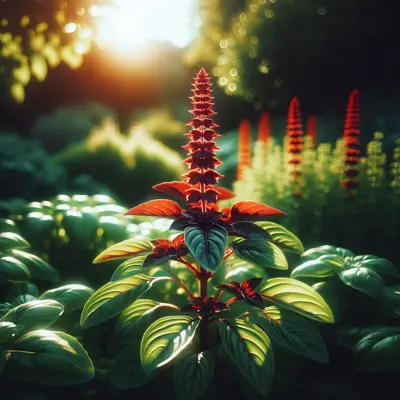
A spectacular ornamental basil variety that produces vibrant red-purple flower spikes rising above green foliage, creating a stunning display that attracts pollinators while providing excellent basil flavor. This unique variety was bred specifically for its dramatic flowering display and long-lasting blooms, making it perfect for edible landscaping. The flowers are edible with intense basil flavor, while leaves maintain classic sweet basil taste.
Harvest
65-75d
Days to harvest
Sun
Full sun to partial shade
Zones
10–10
USDA hardiness
Height
0-3 feet
Planting Timeline
Showing dates for Cardinal Basil in USDA Zone 10
All Zone 10 herb →Zone Map
Click a state to update dates
Cardinal Basil · Zones 10–10
Growing Details
Succession Planting
Zone 10 gives Cardinal Basil an unusually long run — transplants go in as early as February, and with any luck you're still cutting through December. Individual plants don't stay productive indefinitely, though; once flower stalks get ahead of you or daytime highs are consistently above 90°F, the leaves turn bitter and small. Stagger new transplants every 3 to 4 weeks from February through August so you always have a cohort of young plants coming up behind the ones going to seed. Pinch flower spikes the moment they appear — that buys each plant roughly 2 to 3 extra weeks of usable leaf production — but don't count on pinching alone to carry you through; fresh transplants are the more reliable fix.
Complete Growing Guide
Cardinal Basil thrives when started indoors six to eight weeks before your last spring frost, giving seedlings time to develop robust root systems before transplanting. You can direct sow seeds outdoors once soil temperatures consistently reach 70°F and all frost danger has passed, though indoor starting produces stronger plants that will flower earlier. Seeds should be sown just barely covered, as they need light to germinate—press them gently into moist seed-starting mix rather than burying them. When transplanting seedlings outdoors, space plants twelve to eighteen inches apart in full sun locations that receive at least six to eight hours of direct sunlight daily. Cardinal Basil's dramatic flower spikes develop more prolifically and maintain richer color in generous sunlight, so don't compromise on this requirement.
Prepare soil with compost or aged manure worked into the top six inches, ensuring excellent drainage since basil resents waterlogged roots. Water consistently, maintaining evenly moist (not soggy) soil throughout the growing season. During peak summer heat, this may mean daily watering, particularly for container-grown specimens. Feed every three to four weeks with a balanced fertilizer once plants are established—Cardinal Basil is a moderate feeder that responds well to consistent nutrition but doesn't require excessive amounts.
Cardinal Basil's striking red-purple flower spikes make it susceptible to the same pests that plague other basil varieties, but Japanese beetles show particular affinity for its ornamental flowers. Scout plants regularly for beetles, aphids, and spider mites, especially during flowering when beetle populations peak. Hand-pick beetles early in the morning or spray with neem oil if infestations develop. Spider mites thrive in hot, dry conditions, so maintaining consistent humidity through proper spacing and watering helps prevention. Watch for slugs during cool, wet periods—they're attracted to the dense foliage and developing flower buds. In humid climates, downy mildew can damage leaves before the flowers reach their prime display; ensure excellent air circulation and avoid overhead watering.
Pinch out flower buds early in the season if you prioritize leaf harvest for cooking, but Cardinal Basil's true magic emerges when you allow flowering to proceed. The edible flowers offer intense basil flavor and attract pollinators while creating a spectacular landscape display that justifies the plant's ornamental breeding. Harvest leaves regularly to encourage bushier growth, and succession plant every three weeks through early summer for continuous supplies. One critical mistake gardeners make is underestimating this variety's need for consistent moisture—Cardinal Basil's ornamental genetics don't improve its drought tolerance, and inconsistent watering stresses plants and triggers premature flowering before reaching optimal size and flower production. Water thoughtfully and you'll enjoy months of stunning red-purple blooms alongside delicious harvests.
Harvesting
Cardinal Basil reaches peak harvest readiness when flower spikes display their characteristic deep red-purple color and individual florets begin to open along the stem, while leaves feel firm and vibrant green. For continuous harvests throughout the season, pinch off flower spikes regularly before they fully mature, which encourages bushier growth and prevents early flowering that would reduce leaf production. If you're specifically cultivating this variety for its dramatic blooms, allow some spikes to develop fully while harvesting others, creating an extended display period. Harvest leaves in the morning after dew dries but before heat intensifies, when their essential oils and flavor compounds peak. Pinching stem tips consistently promotes fuller plants and maximizes your basil yield over the entire growing season.
Edibility: Leaves and flowers in tea, as flavoring
Storage & Preservation
Fresh Cardinal basil leaves stay crisp for 7-10 days when stored like cut flowers—trim stems and place in water, cover loosely with a plastic bag, and keep at room temperature. Never refrigerate fresh basil leaves as they'll turn black from cold damage.
The spectacular flower spikes maintain their color and flavor for 3-5 days in water at room temperature, making them excellent for fresh garnishes. For long-term storage, dry both leaves and flowers by hanging in bundles in a warm, dry, dark location for 2-3 weeks. Properly dried Cardinal basil retains good color and strong flavor for up to one year.
Freeze leaves in ice cube trays with olive oil for easy portioning in winter cooking. The colorful flowers make exceptional herbal vinegars—steep fresh flower spikes in white wine vinegar for 2-3 weeks for both beautiful color and intense basil flavor.
History & Origin
Cardinal Basil emerged from modern ornamental breeding programs focused on developing basil varieties with dramatic visual appeal for edible landscaping. While specific breeder attribution and introduction year remain undocumented in readily available horticultural records, Cardinal belongs to the broader lineage of Ocimum basilicum cultivars selected for exceptional flower production and color intensity. The variety represents contemporary seed company efforts to expand basil's role beyond culinary herb to ornamental plant, building on decades of basil breeding that has produced numerous decorative cultivars. Its development reflects increasing market demand for edible flowers and multifunctional garden plants that combine aesthetic appeal with culinary function.
Origin: Tropical Africa and Asia
Advantages
- +Vibrant red-purple flowers create spectacular ornamental display in gardens
- +Edible flowers provide intense basil-clove flavor for culinary creativity
- +Attracts pollinators while offering classic sweet basil leaf flavor
- +Long-lasting blooms extend visual interest throughout growing season
- +Easy to grow makes it ideal for beginner gardeners
Considerations
- -Vulnerable to fusarium wilt in poorly drained or contaminated soil
- -Downy mildew develops quickly in humid conditions without air circulation
- -Susceptible to multiple pests including aphids, spider mites, and Japanese beetles
- -Intense flowering focus may reduce leaf production for harvesting
Companion Plants
Tomatoes and peppers are the natural neighbors for Cardinal Basil — all three want full sun, about 1 to 1.5 inches of water per week, and a soil pH between 6.0 and 7.0, so they slot into the same bed without extra management. Marigolds help by breaking up dense plantings and confusing aphids that target soft-stemmed herbs; NC State Extension's IPM guidance backs interplanting as a way to slow pest spread by keeping crop families mixed. In Georgia summers, tucking lettuce underneath Cardinal's 18- to 24-inch canopy can buy the greens an extra few weeks before heat kills them — a practical use of vertical space. Keep basil well clear of fennel, which is allelopathic and will stunt nearby plants, and away from common sage, which competes hard for the same root zone and tends to win.
Plant Together
Tomatoes
Basil repels tomato hornworms and aphids while potentially improving tomato flavor
Peppers
Basil deters aphids, spider mites, and thrips that commonly attack pepper plants
Oregano
Both herbs have similar growing requirements and oregano helps repel aphids and cucumber beetles
Marigolds
Repel nematodes and aphids while attracting beneficial insects that protect basil
Lettuce
Basil provides light shade for lettuce in hot weather and repels aphids that damage leafy greens
Chives
Repel aphids and may improve basil's essential oil production and overall flavor
Nasturtiums
Act as trap crops for aphids and cucumber beetles while attracting beneficial predatory insects
Parsley
Compatible growth habits and parsley attracts beneficial insects that help protect basil
Keep Apart
Rue
Allelopathic properties inhibit basil growth and can stunt development
Common Sage
Competes aggressively for nutrients and may inhibit basil growth through root competition
Fennel
Produces allelopathic compounds that inhibit growth of basil and most other garden plants
Nutrition Facts
Per 100g serving. % Daily Value based on 2,000 calorie diet. Source: USDA FoodData Central (FDC #172232)
Pests & Disease Resistance
Resistance
Good resistance to downy mildew, fusarium wilt susceptible
Common Pests
Aphids, spider mites, Japanese beetles, slugs
Diseases
Fusarium wilt, bacterial leaf spot, downy mildew in humid conditions
Troubleshooting Cardinal Basil
What you'll see, why it happens, and what to do about it.
Seedlings or young transplants wilting and collapsing at the soil line, often with a brown discoloration on the lower stem
Likely Causes
- Fusarium wilt (Fusarium oxysporum f. sp. basilici) — soil-borne fungus that persists in infected beds for years
- Overwatering combined with poor drainage, which creates ideal conditions for root rot
What to Do
- 1.Pull and trash affected plants immediately — don't compost them
- 2.Rotate basil out of that bed for at least 2 seasons; Fusarium won't disappear on its own
- 3.Improve drainage before replanting — raised beds or soil amended with compost are the practical fix here
Gray-purple fuzzy coating on the underside of leaves, with yellowing patches on top, spreading fast in humid weather
Likely Causes
- Downy mildew (Peronospora belbahrii) — spreads rapidly when relative humidity stays above 60% and temps are warm
- Crowded planting that traps moisture and blocks airflow between plants
What to Do
- 1.Space plants at least 12 inches apart — NC State Extension notes that overcrowding decreases air movement and raises humidity, which is exactly what Peronospora needs
- 2.Water at the base in the morning so foliage dries before nightfall; overhead irrigation is the fastest way to spread this one
- 3.Remove and bag heavily infected leaves; pull the whole plant if more than half the canopy is gone
Small water-soaked spots on leaves turning brown or black with a yellow halo, sometimes with leaf drop
Likely Causes
- Bacterial leaf spot (Pseudomonas cichorii) — moves plant to plant via splashing water and wet hands
- Overhead irrigation or working among plants when foliage is still wet
What to Do
- 1.Lay 1 to 2 inches of straw or bark mulch around plants to stop soil splash — NC State Extension's herb guidance specifically recommends this
- 2.Switch to drip irrigation or hand-water at the base; stop any overhead watering
- 3.Stay out of the bed when leaves are wet — Pseudomonas transfers easily on hands and tools
Leaves stippled, bronzed, or speckled with fine webbing on the undersides, typically appearing during hot dry stretches
Likely Causes
- Two-spotted spider mites (Tetranychus urticae) — populations explode when temps exceed 85°F and humidity drops
- Excess nitrogen fertilizer producing the soft, lush leaf tissue mites prefer
What to Do
- 1.Spray plants with insecticidal soap — NC State Extension confirms it's effective on mites on culinary herbs — coating the undersides of leaves where colonies feed
- 2.Knock mites off with a strong stream of water early in the morning before the heat sets in
- 3.Cut back on high-nitrogen fertilizer; pushing leafy growth too hard makes the plant more attractive, not less
Frequently Asked Questions
How long does Cardinal basil take to flower?▼
Can you grow Cardinal basil in containers?▼
Are Cardinal basil flowers edible?▼
What does Cardinal basil taste like?▼
Is Cardinal basil good for beginners?▼
When should I plant Cardinal basil seeds?▼
Zone-by-Zone Planting Calendar
| Zone | Indoor Start | Transplant | Direct Sow | Harvest |
|---|---|---|---|---|
| Zone 10 | January – January | February – April | — | April – December |
Growing Guides from Wind River Greens
Sources & References
External authority sources used in compiling this guide.
See the Methodology page for how this data is sourced, what's AI-assisted, and known limitations.