Jumper
Allium porrum
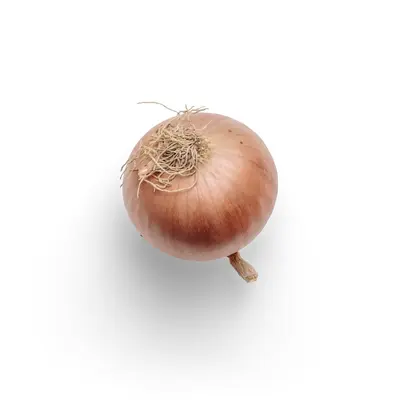
Very upright foliage keeps leaves off the ground, which results in easier cultivation, better plant health, and cleaner leaves at the wash station. Refined shanks with minimal bulbing for easy stripping.
Harvest
95d
Days to harvest
Sun
Full sun to partial shade
Zones
4–9
USDA hardiness
Height
1-3 feet
Planting Timeline
Showing dates for Jumper in USDA Zone 7
All Zone 7 allium →Zone Map
Click a state to update dates
Jumper · Zones 4–9
Growing Details
Succession Planting
Direct sow Jumper every 3 weeks starting March 1, and plan your last sowing by early May — at 95 days to harvest, you want plants sizing up before hard freezes arrive, though a light frost won't hurt them. That schedule produces a harvest window running roughly June through November. In cooler zones (4–5), compress the window: start as soon as soil is workable and get your final sowing in by late April.
Don't push successions into summer heat. Leeks won't bolt the way lettuce does, but growth slows noticeably when daytime highs stay above 85–90°F, and slow-developing plants attract more pest pressure. Let your last spring sowing carry you through — leeks hold well in the ground and don't need to come out all at once.
Complete Growing Guide
Very upright foliage keeps leaves off the ground, which results in easier cultivation, better plant health, and cleaner leaves at the wash station. Refined shanks with minimal bulbing for easy stripping. According to Johnny's Selected Seeds, Jumper is 95 days to maturity, annual, hybrid (f1). Disease resistance includes Purple Blotch, Common Rust, White Tip. Notable features: Easy Choice.
Light: Full sun (6 or more hours of direct sunlight a day), Partial Shade (Direct sunlight only part of the day, 2-6 hours). Soil: High Organic Matter, Loam (Silt), Sand. Drainage: Good Drainage. Height: 1 ft. 0 in. - 3 ft. 0 in.. Spread: 0 ft. 6 in. - 2 ft. 0 in.. Spacing: Less than 12 inches. Growth rate: Medium. Maintenance: Low. Propagation: Division. Regions: Coastal, Mountains, Piedmont.
Harvesting
Jumper reaches harvest at 95 days from sowing per Johnny's Selected Seeds. As an annual, harvest continues until frost ends the season.
The capsule splits longitudinally and contains small round black seeds.
Type: Capsule.
Storage & Preservation
Jumper leeks keep best in the refrigerator crisper drawer at 32–40°F with high humidity, ideally wrapped in a damp cloth or perforated plastic bag. They'll stay fresh for 2–3 weeks under these conditions. For longer storage, blanch whole or sliced leeks for 2–3 minutes, cool in ice water, and freeze in airtight containers or freezer bags for up to eight months. Drying works well too—slice thinly, dehydrate at 140°F until brittle, then store in airtight jars. Pickled leeks make an excellent condiment; simmer sliced leeks briefly before packing into sterilized jars with vinegar, spices, and aromatics. Jumper's mild, tender white shaft allows it to be frozen raw in portions without blanching if you're short on time—just slice, portion, and freeze directly for soups and stews.
History & Origin
Jumper is an F1 hybrid developed through controlled cross-pollination. Listed in the Johnny's Selected Seeds catalog.
Origin: Northern Hemisphere, North America and Eurasia
Advantages
- +Upright foliage prevents leaf diseases from soil contact and splashing
- +Minimal bulbing makes stripping and processing faster at harvest
- +Easy cultivation reduces labor costs for commercial growers
- +Cleaner leaves at wash station lower post-harvest processing time
- +Refined shanks provide premium appearance for fresh market sales
Considerations
- -95-day maturity is longer than some competing leek varieties
- -Requires consistent moisture; drought stress causes quality decline quickly
- -Tall upright habit may require staking in windy conditions
- -Limited disease resistance compared to some modern leek cultivars
Companion Plants
Carrots pull real duty next to leeks: the sulfur compounds leeks emit genuinely confuse carrot fly (Psila rosae), and carrot scent returns the favor against leek moth (Acrolepiopsis assectella). Neither effect is total protection, but it's a documented interaction, not garden mythology. Brassicas — cabbage, broccoli — slot in well because they share no major pest overlap with alliums and don't crowd leek roots at 4–6 inch spacings. Tomatoes and peppers are fine neighbors spatially, just watch that taller plants don't shade Jumper below its 4–6 hour sun minimum.
Beans and peas need to stay on the other side of the garden. Alliums suppress Rhizobium bacteria in the soil — the same bacteria legumes depend on to fix nitrogen — so planting them within a few feet of each other hurts your bean yield in a way that's hard to see until you compare harvests side by side. Asparagus has a separate but similar problem: the two crops inhibit each other's growth when root zones overlap, and since asparagus beds don't move, it's simpler to keep all your alliums well clear of them from the start.
Plant Together
Tomatoes
Alliums repel aphids, spider mites, and hornworms that commonly attack tomatoes
Carrots
Alliums deter carrot flies while carrots help break up soil for allium bulbs
Cabbage
Repels cabbage worms, aphids, and flea beetles that damage brassicas
Lettuce
Alliums deter aphids and slugs while providing natural pest protection
Roses
Helps prevent black spot, aphids, and Japanese beetles on roses
Strawberries
Deters slugs, aphids, and nematodes that commonly damage strawberry plants
Peppers
Repels aphids and spider mites while improving overall plant health
Broccoli
Protects against cabbage loopers, aphids, and other brassica pests
Keep Apart
Beans
Alliums can inhibit nitrogen fixation and stunt growth of legumes
Peas
Compounds in alliums interfere with beneficial root bacteria in legumes
Asparagus
Both compete for similar soil nutrients and can inhibit each other's growth
Nutrition Facts
Per 100g serving. % Daily Value based on 2,000 calorie diet. Source: USDA FoodData Central (FDC #170000)
Pests & Disease Resistance
Resistance
Common Rust (Intermediate); Purple Blotch (Intermediate); White Tip (Intermediate)
Troubleshooting Jumper
What you'll see, why it happens, and what to do about it.
Leaves turning yellow from the tips down, plants stunted at 6–8 inches with no sign of pests
Likely Causes
- Nitrogen deficiency — leeks are heavy feeders and strip available N fast in sandy or shallow soils
- Waterlogged roots from poor drainage blocking nutrient uptake
What to Do
- 1.Side-dress with blood meal or a balanced 10-10-10 fertilizer, about a tablespoon per plant worked into the top inch of soil
- 2.If drainage is the issue, ease off watering and check that the bed doesn't sit in standing water after rain
- 3.Next season, work in a 2–3 inch layer of compost before planting
White or pale streaking running lengthwise on leaves, with tiny maggot-like larvae visible if you peel a damaged leaf
Likely Causes
- Allium leaf miner (Phytomyza gymnostoma) — a fly whose larvae tunnel inside the leaf tissue
- Leek moth (Acrolepiopsis assectella) — less common but produces similar internal feeding damage
What to Do
- 1.Cover transplants with floating row cover (Agribon AG-15 or similar) before flies become active in spring to block egg-laying
- 2.Remove and bag any heavily infested leaves — don't compost them
- 3.If infestation is severe, spinosad-based sprays applied at the base of leaves can reduce adult fly populations
Soft, water-soaked rot at the base of the shank, with a foul smell, appearing after a wet stretch
Likely Causes
- Bacterial soft rot (Pectobacterium carotovorum) — moves fast in warm, wet conditions
- Leek white rot (Sclerotium cepivorum) — a soilborne fungus that also attacks at the base; look for white fluffy mycelium and tiny black sclerotia
What to Do
- 1.Pull and trash affected plants immediately — do not compost
- 2.Avoid overhead irrigation; switch to drip if you're seeing this repeatedly
- 3.Rotate alliums out of that bed for at least 3–4 years, since Sclerotium cepivorum sclerotia persist in soil for up to 20 years
Frequently Asked Questions
How long does Jumper Allium take from planting to harvest?▼
Is Jumper Allium good for beginners?▼
Can you grow Jumper Allium in containers?▼
What does Jumper Allium taste like?▼
How much sunlight does Jumper Allium need?▼
When should I plant Jumper Allium?▼
Zone-by-Zone Planting Calendar
| Zone | Indoor Start | Transplant | Direct Sow | Harvest |
|---|---|---|---|---|
| Zone 3 | — | — | May – June | August – October |
| Zone 4 | — | — | April – June | July – October |
| Zone 5 | — | — | April – May | July – November |
| Zone 6 | — | — | April – May | July – November |
| Zone 7 | — | — | March – May | June – November |
| Zone 8 | — | — | March – April | June – December |
| Zone 9 | — | — | February – March | May – December |
| Zone 10 | — | — | January – March | April – December |
| Zone 1 | — | — | June – July | September – September |
| Zone 2 | — | — | May – July | August – September |
| Zone 11 | — | — | January – February | March – December |
| Zone 12 | — | — | January – February | March – December |
| Zone 13 | — | — | January – February | March – December |
Growing Guides from Wind River Greens
Sources & References
External authority sources used in compiling this guide.
- BreederJohnny's Selected Seeds
- USDAUSDA FoodData Central
See the Methodology page for how this data is sourced, what's AI-assisted, and known limitations.