Rose David Austin Lady of Shalott
Rosa 'Lady of Shalott'
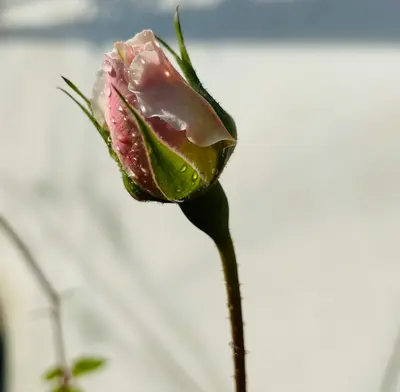
A stunning English rose that combines the romance of old roses with modern disease resistance and repeat flowering. The warm orange-salmon blooms have a golden reverse and emit a delicious spiced apple and clove fragrance that intensifies in warm weather. This vigorous shrub produces an abundance of rosette-shaped flowers from spring until frost, making it perfect for both formal and cottage gardens.
Sun
Full sun to partial shade
Zones
4–11
USDA hardiness
Height
1 ft. 0 in. - 8 ft. 0 in.
Planting Timeline
Showing dates for Rose David Austin Lady of Shalott in USDA Zone 7
All Zone 7 flower →Zone Map
Click a state to update dates
Rose David Austin Lady of Shalott · Zones 4–11
Growing Details
Complete Growing Guide
Light: Full sun (6 or more hours of direct sunlight a day), Partial Shade (Direct sunlight only part of the day, 2-6 hours). Spacing: 3 feet-6 feet.
Harvesting
Bloom time: Fall, Spring, Summer, Winter
Storage & Preservation
Fresh cut stems last longest when immediately placed in lukewarm water with flower food and stored in a cool location away from direct sunlight. Recut stems every 2-3 days and change water completely to extend vase life to a full week.
For preserving the distinctive fragrance, harvest petals in mid-morning and air-dry them on screens in a warm, dark, well-ventilated area. Once completely dry (7-10 days), store in airtight containers for potpourri that retains the spiced apple scent for months. You can also create rose water by gently simmering fresh petals in distilled water, then straining and storing the fragrant liquid in the refrigerator for up to two weeks. The intense fragrance of Lady of Shalott makes it particularly valuable for these preservation methods compared to less fragrant varieties.
History & Origin
Lady of Shalott was bred by David Austin Roses in England and introduced in 2009 as part of their renowned English Rose collection. Named after the tragic heroine in Alfred Lord Tennyson's famous 1832 poem, this rose represents Austin's ongoing mission to combine the romantic form and fragrance of old garden roses with the disease resistance and repeat-flowering characteristics of modern varieties.
David Austin began developing his English Rose line in the 1960s, and Lady of Shalott emerged from decades of careful breeding work. The variety showcases the distinctive warm orange-salmon coloring with golden reverses that became a signature of Austin's later introductions. Its exceptional disease resistance reflects modern breeding advances, while the intense spiced apple and clove fragrance pays homage to the powerfully scented old roses that inspired Austin's work. The rose quickly gained recognition among gardeners for successfully bridging the gap between old-world romance and contemporary garden performance, earning multiple awards from rose societies worldwide.
Advantages
- +Exceptional repeat flowering from spring to hard frost with consistent bloom production
- +Outstanding disease resistance to black spot, powdery mildew, and rust even in humid climates
- +Intensely fragrant with distinctive spiced apple and clove scent that strengthens in warm weather
- +Vigorous growth habit that quickly establishes and fills space effectively
- +Unique warm orange-salmon coloring with golden petal backs creates striking garden presence
- +Excellent cut flower performance with strong stems and good vase life
- +Heat tolerance superior to many other David Austin varieties
Considerations
- -Moderate difficulty level requires regular pruning and feeding knowledge
- -Can reach 4-5 feet in height and width, requiring adequate space planning
- -Susceptible to aphid infestations during new growth flushes in spring
- -Flower color may fade to pale peach in extreme summer heat above 90°F
- -Requires winter protection in zones 5 and colder for reliable survival
Companion Plants
Lavender, catmint, and rosemary planted within 2–3 feet are worth the real estate — their aromatic oils confuse thrips and aphids, and none of them are thirsty enough to fight Lady of Shalott for water. Marigolds (Tagetes spp.) work the same angle at ground level and fill gaps neatly. Alliums — chives or ornamental onions — bring something more specific: their sulfur compounds have documented suppressive effects on black spot pressure around roses. Black walnut (Juglans nigra) is the one to avoid outright; it produces juglone, a root toxin that accumulates in the soil and will steadily stunt or kill the plant, sometimes before you figure out what's wrong.
Plant Together
Lavender
Repels aphids, spider mites, and other rose pests while attracting beneficial pollinators
Marigolds
Deters nematodes, aphids, and whiteflies that commonly attack roses
Catmint
Repels aphids, ants, and rodents while attracting beneficial insects
Alliums
Natural fungicide properties help prevent black spot and powdery mildew on roses
Clematis
Shares similar growing conditions and provides vertical interest without competing for nutrients
Parsley
Attracts beneficial insects like hoverflies that prey on aphids and other rose pests
Rosemary
Repels carrot flies, cabbage moths, and other pests while tolerating similar soil conditions
Geraniums
Natural pest deterrent and may help repel Japanese beetles that damage rose blooms
Keep Apart
Black Walnut
Produces juglone toxin that inhibits rose growth and can cause wilting and death
Large Trees
Compete heavily for nutrients and water while creating excessive shade that reduces blooming
Impatiens
Prone to similar fungal diseases that can spread to roses in humid conditions
Pests & Disease Resistance
Resistance
Excellent resistance to black spot, powdery mildew, and rust
Common Pests
Aphids, thrips, Japanese beetles, spider mites
Diseases
Generally disease resistant, occasional canker or downy mildew
Troubleshooting Rose David Austin Lady of Shalott
What you'll see, why it happens, and what to do about it.
Clusters of small soft-bodied insects on new buds and shoot tips, sometimes with sticky residue or curled leaves
Likely Causes
- Aphid infestation (Macrosiphum rosae, the rose aphid) — they target soft new growth and reproduce fast in spring
- Absence of predatory insects, often from over-use of broad-spectrum insecticides nearby
What to Do
- 1.Blast them off with a firm stream of water from a hose — do this in the morning so foliage dries before evening
- 2.If they return within a week, spray with insecticidal soap, hitting the undersides of leaves and stem tips
- 3.Stop using broad-spectrum sprays that kill ladybugs and parasitic wasps, which will keep aphid numbers down on their own
Ragged holes chewed in petals and leaf edges, often with whole blooms destroyed overnight in June and July
Likely Causes
- Japanese beetles (Popillia japonica) — peak emergence typically runs June through August and roses are a preferred host
- Heavy beetle pressure from nearby lawn grub populations
What to Do
- 1.Hand-pick beetles early in the morning when they're sluggish and drop them into a bucket of soapy water — don't shake the plant, which triggers a pheromone response that draws more beetles
- 2.Skip pheromone traps; University of Kentucky Extension research shows they attract more beetles to your yard than they catch
- 3.Apply milky spore (Bacillus popilliae) to surrounding lawn in late summer to reduce grub populations — it won't help this season, but it compounds over 2-3 years
Pale gray fuzzy growth on leaf undersides or grayish-white coating on stems, appearing after cool wet stretches
Likely Causes
- Downy mildew (Peronospora sparsa) — triggered by cool nights below 65°F combined with high humidity or overhead watering
- Crowded canes with poor airflow through the center of the plant
What to Do
- 1.Remove and bag all affected leaves immediately — do not compost them, the spores spread readily
- 2.Switch to drip irrigation or water at the base only, always in the morning
- 3.Thin out crossing canes to open the plant's interior; Lady of Shalott carries good disease resistance, so persistent mildew usually points to an airflow or watering problem before it points to a fungicide need
Frequently Asked Questions
How big does Lady of Shalott rose get?▼
Is Lady of Shalott rose disease resistant?▼
What does Lady of Shalott rose smell like?▼
Can you grow Lady of Shalott rose in containers?▼
When should I plant Lady of Shalott rose?▼
How often does Lady of Shalott rose bloom?▼
Zone-by-Zone Planting Calendar
| Zone | Indoor Start | Transplant | Direct Sow | Harvest |
|---|---|---|---|---|
| Zone 3 | April – May | June – July | June – August | — |
| Zone 4 | March – April | June – June | June – July | — |
| Zone 5 | March – April | May – June | May – July | — |
| Zone 6 | March – April | May – June | May – July | — |
| Zone 7 | February – March | April – May | April – June | — |
| Zone 8 | February – March | April – May | April – June | — |
| Zone 9 | January – February | March – April | March – May | — |
| Zone 10 | January – January | February – March | February – April | — |
| Zone 1 | May – June | July – August | July – September | — |
| Zone 2 | April – May | June – July | June – August | — |
| Zone 11 | January – January | January – February | January – March | — |
| Zone 12 | January – January | January – February | January – March | — |
| Zone 13 | January – January | January – February | January – March | — |
Growing Guides from Wind River Greens
Sources & References
External authority sources used in compiling this guide.
- ExtensionNC State Extension
See the Methodology page for how this data is sourced, what's AI-assisted, and known limitations.