Early Harvest Apple
Malus domestica 'Early Harvest'
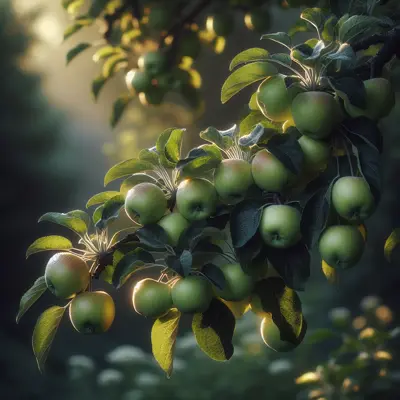
One of the earliest ripening apples, this historic American heirloom delivers crisp, tart apples perfect for cooking and fresh eating when you're craving that first taste of apple season. Dating back to the 1600s, this reliable variety thrives in hot, humid climates where many other apples struggle and doesn't require a pollination partner. Its pale yellow fruits have a distinctly refreshing tartness that makes exceptional pies, sauce, and cider.
Harvest
100-110d
Days to harvest
Sun
Full sun to partial shade
Zones
4–9
USDA hardiness
Height
15-30 feet
Planting Timeline
Showing dates for Early Harvest Apple in USDA Zone 7
All Zone 7 fruit-tree →Zone Map
Click a state to update dates
Early Harvest Apple · Zones 4–9
Growing Details
Complete Growing Guide
This heirloom variety matures exceptionally early, often producing harvestable fruit by mid-to-late summer, so plan your pruning and thinning accordingly to avoid missing peak ripeness. Early Harvest thrives in hot, humid regions where late blight and fungal diseases pressure other apples, though you should still monitor for cedar apple rust and aphids during establishment years. Unlike many cultivars, this self-fertile variety requires no pollination partner, making it ideal for small spaces or single-tree plantings. The trees tend toward vigorous growth and may need summer pruning to maintain shape and encourage fruiting rather than excessive vegetative sprawl. A practical tip: thin fruit aggressively in early June when apples are marble-sized, removing all but one fruit every six inches along branches—this concentrates sugars and ensures the signature tartness reaches full potential rather than producing numerous smaller, mealy apples.
Light: Full sun (6 or more hours of direct sunlight a day), Partial Shade (Direct sunlight only part of the day, 2-6 hours). Soil: Clay, Loam (Silt), Sand. Soil pH: Alkaline (>8.0), Neutral (6.0-8.0). Drainage: Good Drainage, Moist, Occasionally Dry. Height: 15 ft. 0 in. - 30 ft. 0 in.. Spread: 15 ft. 0 in. - 30 ft. 0 in.. Spacing: 24-60 feet. Growth rate: Medium. Maintenance: High. Propagation: Grafting, Seed. Regions: Coastal, Mountains, Piedmont.
Harvesting
Early Harvest apples typically reach peak ripeness from late July through August, signaled by their transition from green to pale yellow skin and a slightly soft yield when gently squeezed. Unlike single-harvest varieties, these apples ripen progressively over two to three weeks, allowing for multiple picking passes to capture fruit at optimal sweetness while leaving harder apples for later harvesting. Pick when the fruit releases easily from the branch with a gentle twist—excessive force indicates immaturity. A crucial timing tip: harvest in early morning after dew dries but before afternoon heat, as cooler fruit stores better and maintains its characteristic crisp texture and bright acidity longer than afternoon-picked apples.
Large, round, firm fruits that often have a waxy coating. Some varieties ripen late summer and some in the fall.
Color: Gold/Yellow, Green, Red/Burgundy. Type: Pome. Length: > 3 inches. Width: > 3 inches.
Garden value: Edible
Harvest time: Fall, Summer
Edibility: Fruits can be eaten raw and cooked in a variety of dishes.
Storage & Preservation
Fresh Early Harvest apples store for 2-4 weeks in the refrigerator at 32-35°F with high humidity. Place them in perforated plastic bags in the crisper drawer. These apples don't keep as long as late-season varieties, so plan to use them quickly or preserve them.
For longer storage, Early Harvest excels at preservation. Freeze sliced apples for pies and baking – blanch briefly in lemon water to prevent browning, then freeze on trays before bagging. Their high acid content makes exceptional applesauce that cans beautifully using standard water bath methods. The tart flavor also creates outstanding apple cider vinegar through fermentation. Dehydrate thin slices at 135°F for 6-12 hours to make crispy apple chips that highlight their refreshing tartness.
History & Origin
This historic American heirloom variety traces its origins to the 1600s, though specific breeder documentation remains elusive in historical records. Early Harvest belongs to a lineage of early-ripening apples that emerged from colonial American orchards, where it became valued for its exceptional early-season production. The variety's development reflects the practical needs of early American farmers and gardeners seeking apples that could be harvested before late-summer heat and humidity peaked. Its ability to thrive in hot, humid climates—conditions that challenge most apple varieties—suggests it may have been selected or naturally arose in southeastern or mid-Atlantic regions where such environmental pressures favored hardy, self-fertile genetics. While precise breeding records are unavailable, Early Harvest's persistence across centuries demonstrates its reliability within American horticultural tradition.
Origin: Central Asia to Afghanistan
Advantages
- +Earliest ripening apple variety, delivering fruit by mid-summer for eager gardeners.
- +Thrives in hot, humid climates where most apple varieties fail completely.
- +Self-fertile and doesn't require a separate pollination partner tree nearby.
- +Exceptional tartness makes it ideal for pies, sauces, and homemade cider.
- +Historic heirloom dating to 1600s with proven reliability and easy care.
Considerations
- -Susceptible to apple scab, fire blight, and cedar apple rust diseases.
- -Attracts codling moths and apple maggots requiring active pest management.
- -Tart flavor limits appeal for those preferring sweeter, eating-fresh apples.
- -Early ripening means fruit must be harvested promptly to avoid dropping.
Companion Plants
Chives and nasturtiums pull their weight here — chives may reduce apple scab pressure at the soil surface, and nasturtiums act as a sacrificial aphid crop you can pull and bin before populations climb the trunk. Plant comfrey 3-4 feet out from the base: its taproot pulls up calcium and potassium from depth, and the cut leaves decompose quickly into a decent mulch ring. Grass within 2-3 feet of the trunk is a quiet problem — it steals the consistent 1-2 inches of weekly moisture Early Harvest needs during fruit set, and the thatch shelters apple maggot pupae through winter. Black walnut is a hard stop; the juglone it releases through roots and leaf litter will stress or kill the tree, and no distance under about 50 feet is safe.
Plant Together
Chives
Repels aphids and improves apple tree health when planted underneath
Nasturtiums
Acts as trap crop for aphids and repels woolly aphids
Marigolds
Deters nematodes and various pests while attracting beneficial insects
Comfrey
Deep roots bring nutrients to surface and leaves make excellent mulch
Dill
Attracts beneficial insects like lacewings and parasitic wasps
Clover
Fixes nitrogen in soil and provides living mulch
Tansy
Repels ants, mice, and various flying pests
Lavender
Repels moths and attracts pollinators
Keep Apart
Black Walnut
Produces juglone toxin that inhibits apple tree growth
Grass
Competes heavily for water and nutrients, especially problematic for young trees
Pine Trees
Acidifies soil and needle drop can create unfavorable conditions for apples
Nutrition Facts
Per 100g serving. % Daily Value based on 2,000 calorie diet. Source: USDA FoodData Central (FDC #168171)
Pests & Disease Resistance
Resistance
Good heat tolerance, moderate disease resistance
Common Pests
Codling moth, apple maggot, aphids
Diseases
Apple scab, fire blight, cedar apple rust
Troubleshooting Early Harvest Apple
What you'll see, why it happens, and what to do about it.
Fruit with small, sunken brown entry holes and a worm inside at harvest (July–October)
Likely Causes
- Codling moth (Cydia pomonella) — larvae bore into developing fruit shortly after petal fall
- Apple maggot (Rhagoletis pomonella) — lays eggs in fruit skin mid-summer, leaving brown tunnels
What to Do
- 1.Hang 1-2 red sticky ball traps per tree by late May to catch apple maggot adults before they lay eggs
- 2.Apply kaolin clay spray (Surround WP) every 7-10 days from petal fall through mid-summer to deter both pests
- 3.Pick up and destroy all dropped fruit immediately — don't let it sit under the tree
New shoot tips wilting, turning brown, and curling into a shepherd's crook shape in spring
Likely Causes
- Fire blight (Erwinia amylovora) — bacterial disease that enters through blossoms and young shoots during warm, wet spring weather above 60°F
- Infected pruning cuts from tools not sterilized between trees
What to Do
- 1.Prune out infected wood immediately, cutting at least 8-12 inches below the visible damage into healthy tissue
- 2.Sterilize pruning shears between every cut with 70% isopropyl alcohol or a 10% bleach solution
- 3.Skip the heavy nitrogen fertilizer in spring — the lush push of new growth it causes is exactly what fire blight targets first
Frequently Asked Questions
How long does Early Harvest apple take to grow from planting?▼
Can you grow Early Harvest apples in containers?▼
Is Early Harvest apple good for beginners?▼
What does Early Harvest apple taste like?▼
When should I plant Early Harvest apple trees?▼
Early Harvest vs Lodi apple - what's the difference?▼
Zone-by-Zone Planting Calendar
Growing Guides from Wind River Greens
Sources & References
External authority sources used in compiling this guide.
See the Methodology page for how this data is sourced, what's AI-assisted, and known limitations.