Versailles Mix
Cosmos bipinnatus
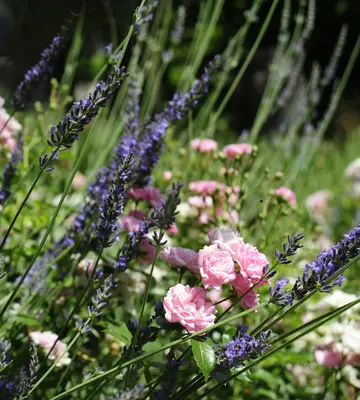
Early blooming and vigorous. Produces under short days and is also suitable for greenhouse culture during the winter. Strong stems can withstand considerable handling. Blooms are 2 1/2" across in shades of blush pink, pure white, carmine red, and pink with a deep pink eye. Cosmos are also known as garden cosmos.
Harvest
90-110d
Days to harvest
Sun
Full sun to partial shade
Zones
2–11
USDA hardiness
Height
2-4 feet
Planting Timeline
Showing dates for Versailles Mix in USDA Zone 7
All Zone 7 flower →Zone Map
Click a state to update dates
Versailles Mix · Zones 2–11
Growing Details
Succession Planting
Cosmos is a long-season annual (90-110 days to flower) that keeps blooming until frost kills it, so you don't need to succession sow the way you would with lettuce or radishes. One or two rounds is plenty. In zone 7, direct sow the first round in late April once soil temps hit 60°F, then put in a second sowing in late May or early June if you want a staggered flush of blooms through fall. Skip anything after mid-June — a June 15 sowing likely won't reach full bloom before your first frost in late October, and you'll end up with a lot of foliage and not much flower.
If you're starting indoors, sow 4-6 weeks before your last frost date and transplant out in April or May. Don't start too early — cosmos doesn't like sitting in pots, and seedlings go leggy fast under anything less than 14 hours of strong light.
Complete Growing Guide
Early blooming and vigorous. Produces under short days and is also suitable for greenhouse culture during the winter. Strong stems can withstand considerable handling. Blooms are 2 1/2" across in shades of blush pink, pure white, carmine red, and pink with a deep pink eye. Cosmos are also known as garden cosmos. According to Johnny's Selected Seeds, Versailles Mix is 90 - 110 days to maturity, annual, open pollinated. Notable features: Easy Choice, Use for Cut Flowers and Bouquets, Attracts Beneficial Insects.
Light: Full sun (6 or more hours of direct sunlight a day), Partial Shade (Direct sunlight only part of the day, 2-6 hours). Soil: Clay, Loam (Silt), Sand. Soil pH: Alkaline (>8.0), Neutral (6.0-8.0). Drainage: Good Drainage, Occasionally Dry. Height: 2 ft. 0 in. - 4 ft. 0 in.. Spread: 2 ft. 0 in. - 3 ft. 0 in.. Spacing: 12 inches-3 feet. Growth rate: Rapid. Maintenance: Low. Propagation: Seed. Regions: Coastal, Mountains, Piedmont.
Harvesting
Versailles Mix reaches harvest at 90 - 110 days from sowing per Johnny's Selected Seeds. Expect 2 1/2" at peak. As an annual, harvest continues until frost ends the season.
Type: Capsule.
Storage & Preservation
For fresh cut flowers, store Versailles Mix cosmos in a cool location (65-72°F) away from direct sunlight and ripening fruits. Keep stems in clean water and change water every 2-3 days for a vase life of 7-10 days. Preserve blooms by air-drying in bundles hung upside-down in a warm, dark, well-ventilated space for 2-3 weeks. Alternatively, press flowers between paper in a heavy book for 2-4 weeks to create flat arrangements. For long-term storage, freeze-dry or preserve in silica gel in an airtight container.
History & Origin
Versailles Mix is open-pollinated, meaning seed saved from healthy plants will produce true-to-type offspring. Listed in the Johnny's Selected Seeds catalog.
Origin: Mexico and southwest North America
Advantages
- +Early blooming variety produces flowers quickly within 90-110 days
- +Vigorous growth habit ensures reliable performance in most garden conditions
- +Strong stems withstand handling and shipping without damage or breakage
- +Winter greenhouse production possible due to short-day flowering capability
- +Multiple attractive color options in single seed packet provide garden variety
Considerations
- -Requires deadheading regularly to maintain continuous blooming throughout season
- -Self-seeds prolifically which can become invasive in subsequent years
- -Susceptible to powdery mildew in humid or poorly ventilated conditions
Companion Plants
Marigolds (especially Tagetes patula) are the most practical neighbor for cosmos — their root secretions suppress soil nematodes, and their scent disrupts the host-finding behavior of aphids before those aphids ever land. Sweet alyssum is worth tucking in at the border: it flowers within 6-8 weeks from seed, stays low enough not to compete, and the nectar draws in parasitic wasps that put a real dent in whitefly populations. Nasturtiums work as a trap crop, pulling aphid colonies away from cosmos stems; just watch them — if the nasturtiums get overrun, cut them back rather than letting the colony grow and spread. Calendula fills space in the same bed without any water or root conflict.
Black walnut and eucalyptus are the two to avoid entirely. Walnut roots release juglone, eucalyptus sheds allelopathic volatile oils through leaf litter, and both compounds suppress germination and root development in nearby annuals. Sunflowers are a different issue — not chemistry, just size and appetite. At 6-10 feet, they'll shade out a 2-4 foot cosmos planting and pull moisture from the same top 12 inches of soil where cosmos roots are doing their work.
Plant Together
Marigolds
Repel nematodes and aphids while attracting beneficial insects
Sweet Alyssum
Attracts beneficial insects like lacewings and provides ground cover
Nasturtiums
Act as trap crops for aphids and cucumber beetles
Zinnia
Attracts butterflies and beneficial pollinators while providing color contrast
Cosmos
Attracts beneficial insects and provides vertical structure without competition
Lavender
Repels moths, fleas, and mosquitoes while attracting bees
Parsley
Attracts beneficial insects and provides contrast in foliage texture
Calendula
Repels aphids and whiteflies while attracting beneficial insects
Keep Apart
Black Walnut
Releases juglone which is toxic to many flowering plants
Sunflowers
Produce allelopathic compounds that inhibit growth of smaller flowers
Eucalyptus
Releases allelopathic oils that suppress growth of nearby plants
Pests & Disease Resistance
Common Pests
Spider mites, aphids, whiteflies
Diseases
Powdery mildew, Fusarium wilt
Troubleshooting Versailles Mix
What you'll see, why it happens, and what to do about it.
White powdery coating on leaves and stems, usually appearing mid-summer when nights cool down
Likely Causes
- Powdery mildew (Erysiphe cichoracearum) — fungal spores spread by wind, thrives when humidity is high but leaves stay dry
- Crowded spacing below 12 inches that chokes airflow between plants
What to Do
- 1.Cut out and trash the worst-affected stems — don't compost them
- 2.Thin or stake plants so air can move through; 12-18 inches between plants matters more late in the season
- 3.Spray with a diluted potassium bicarbonate solution (1 tablespoon per gallon of water) every 7 days until new growth looks clean
Plant wilts suddenly and doesn't recover overnight, even in moist soil — lower stem may look brown or pinched at the soil line
Likely Causes
- Fusarium wilt (Fusarium oxysporum) — soil-borne fungus that blocks water uptake inside the vascular tissue
- Overwatered or poorly drained soil that gave the pathogen a foothold
What to Do
- 1.Pull the plant — there's no saving it once Fusarium is established inside the stem
- 2.Don't replant cosmos or other susceptible annuals in that same spot for at least 2 seasons
- 3.Work in a 2-inch layer of compost before the next planting and consider a raised bed if drainage is a chronic problem
Leaves stippled with tiny pale dots, bronzed or silvery overall, with fine webbing on the undersides in dry stretches
Likely Causes
- Two-spotted spider mites (Tetranychus urticae) — populations explode in hot, dry weather above 85°F
- Dusty conditions on leaves that let mites establish without predator pressure
What to Do
- 1.Blast the undersides of leaves with a strong stream of water every 2-3 days — this knocks mites off and disrupts their life cycle
- 2.Apply insecticidal soap or neem oil in the evening when temperatures are below 90°F; repeat every 5-7 days for 3 applications
- 3.Water consistently through dry spells — drought-stressed cosmos are far more vulnerable than plants getting steady moisture
Frequently Asked Questions
How long do Versailles Mix cosmos flowers last in a vase?▼
Is Versailles Mix a good variety for beginners?▼
Can you grow Versailles Mix cosmos in containers?▼
When should I plant Versailles Mix cosmos seeds?▼
What colors do Versailles Mix cosmos flowers come in?▼
How much water do Versailles Mix cosmos need?▼
Zone-by-Zone Planting Calendar
| Zone | Indoor Start | Transplant | Direct Sow | Harvest |
|---|---|---|---|---|
| Zone 1 | May – June | July – August | July – September | — |
| Zone 2 | April – May | June – July | June – August | — |
| Zone 11 | January – January | January – February | January – March | — |
| Zone 12 | January – January | January – February | January – March | — |
| Zone 13 | January – January | January – February | January – March | — |
| Zone 3 | April – May | June – July | June – August | — |
| Zone 4 | March – April | June – June | June – July | — |
| Zone 5 | March – April | May – June | May – July | — |
| Zone 6 | March – April | May – June | May – July | — |
| Zone 7 | February – March | April – May | April – June | — |
| Zone 8 | February – March | April – May | April – June | — |
| Zone 9 | January – February | March – April | March – May | — |
| Zone 10 | January – January | February – March | February – April | — |
Growing Guides from Wind River Greens
Sources & References
External authority sources used in compiling this guide.
- BreederJohnny's Selected Seeds
See the Methodology page for how this data is sourced, what's AI-assisted, and known limitations.