Skyphos
Lactuca sativa
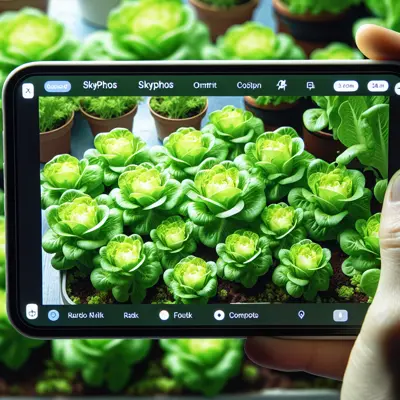
Skyphos is a heirloom romaine lettuce variety prized for its exceptionally sweet, crisp, and tender leaves with the classic satisfying crunch of traditional romaines. This Greek variety matures in approximately 47 days, producing upright heads with a distinctive appearance. The name references the ancient Greek drinking cup, reflecting its heritage. Skyphos thrives in full sun to partial shade and prefers well-drained, fertile soil with consistent moisture. Its superior flavor profile and reliability make it an excellent choice for fresh salads where quality and taste are paramount. Relatively easy to grow despite susceptibility to common lettuce pests.
Harvest
47d
Days to harvest
Sun
Full sun to partial shade
Zones
2–11
USDA hardiness
Height
6-12 inches
Planting Timeline
Showing dates for Skyphos in USDA Zone 7
All Zone 7 lettuce →Zone Map
Click a state to update dates
Skyphos · Zones 2–11
Growing Details
Succession Planting
Direct sow every 14 days starting March 1 in zone 7. Plan to stop by mid-May — once daytime highs hold consistently above 80°F, Skyphos will bolt fast and the leaves turn bitter enough to skip. Pick back up around August 15, once soil temps drop back below 75°F, and sow through late September for fall cuts that can run into November. At 47 days to harvest, a two-week cadence gives you near-continuous picking with minimal gaps between sowings.
Complete Growing Guide
Beautiful large dark red heads with nicely contrasting green centers. Excellent flavor and texture. The surest heading of red butterheads. Utility Patent granted. MT0-30. Also available with NOP-compliant pelleting. According to Johnny's Selected Seeds, Skyphos is 47 days to maturity, annual, open pollinated. Disease resistance includes Downy Mildew, Lettuce Leaf Aphid Nasonovia ribisnigri, Lettuce Mosaic Virus. Notable features: Hydroponic Performer, Heat Tolerant.
Light: Full sun (6 or more hours of direct sunlight a day), Partial Shade (Direct sunlight only part of the day, 2-6 hours). Soil: High Organic Matter. Soil pH: Neutral (6.0-8.0). Drainage: Good Drainage, Moist. Height: 0 ft. 6 in. - 1 ft. 0 in.. Spread: 0 ft. 6 in. - 1 ft. 0 in.. Spacing: Less than 12 inches. Growth rate: Rapid. Maintenance: Medium. Propagation: Seed. Regions: Coastal, Mountains, Piedmont.
Harvesting
Skyphos reaches harvest at 47 days from sowing per Johnny's Selected Seeds. As an annual, harvest continues until frost ends the season.
Tiny seeds with a dandelion-like tuft (pappus) to aid in wind dispersal.
Color: Brown/Copper. Type: Achene. Length: < 1 inch. Width: < 1 inch.
Harvest time: Summer
Edibility: Leaves can be used raw or cooked in salads, sandwiches, and other dishes. Head lettuce can be stored for 2-3 weeks while leaf and butterhead store for 1-2 weeks.
Storage & Preservation
Store freshly harvested Skyphos immediately in the refrigerator wrapped in damp paper towels inside perforated plastic bags. Keep at 32-36°F with high humidity (95-98%) for optimal storage. Properly stored heads maintain quality for 7-10 days, though peak crispness occurs within the first 3-4 days.
Avoid washing before storage—clean just before use to prevent premature deterioration. Remove any damaged outer leaves before storing. For short-term storage, place cut heads stem-down in shallow water and cover with plastic bags.
While lettuce doesn't preserve well through traditional methods like canning or drying, you can extend usability by blanching leaves for 30 seconds and freezing them for use in cooked dishes like soups or stir-fries. Fermented lettuce can be made into kimchi-style preparations, though the delicate texture changes significantly. Consider succession planting rather than preservation for continuous fresh harvests.
History & Origin
Skyphos is open-pollinated, meaning seed saved from healthy plants will produce true-to-type offspring. Listed in the Johnny's Selected Seeds catalog.
Origin: Mediterranean to Siberia
Advantages
- +Beautiful dark red heads with striking green centers provide visual appeal
- +Reliable heading variety ensures consistent butterhead formation in most growing conditions
- +Fast maturity at 47 days allows multiple succession plantings per season
- +Sweet, crisp flavor with classic romaine crunch delivers excellent eating quality
- +Patented variety offers superior genetics compared to standard red butterhead options
Considerations
- -Susceptible to downy mildew and lettuce drop in humid or wet conditions
- -Vulnerable to common pests including aphids, flea beetles, slugs, and leaf miners
- -Bacterial soft rot risk requires careful water management and good air circulation
Companion Plants
Radishes germinate in 5–7 days and pull double duty as a trap crop, drawing flea beetles away from Skyphos before it gets established — sow a short border when you direct sow the lettuce. Chives and garlic both produce organosulfur compounds that aphids find off-putting, and aphids do real damage on lettuce, so either one along the bed edge pays for itself. Skip fennel entirely: its root exudates suppress many leafy greens, and Skyphos at a pH of 6.0–7.0 is already asking for specific soil conditions without adding that complication. Broccoli is the other one to avoid — its shallow roots compete directly for the consistent 1 inch of weekly moisture that lettuce needs to stay tender.
Plant Together
Basil
Repels aphids and whiteflies, may improve flavor
Chives
Deters aphids and other pests with strong scent
Carrots
Loosens soil for lettuce roots, compatible growing requirements
Radishes
Quick harvest leaves space for lettuce, breaks up soil
Marigolds
Repels nematodes and aphids, attracts beneficial insects
Spinach
Similar growing conditions, efficient space usage
Nasturtiums
Acts as trap crop for aphids and cucumber beetles
Garlic
Natural pest deterrent, repels aphids and slugs
Keep Apart
Broccoli
Competes for nutrients and space, similar pest vulnerabilities
Fennel
Inhibits growth of most garden plants through allelopathy
Sunflowers
Creates too much shade and competes heavily for nutrients
Nutrition Facts
Per 100g serving. % Daily Value based on 2,000 calorie diet. Source: USDA FoodData Central (FDC #2346388)
Pests & Disease Resistance
Resistance
Downy Mildew (EU) races 16-26, 32 (High); Downy Mildew (US) races 5-9 (High); Lettuce Leaf Aphid Nasonovia ribisnigri (High); Lettuce Mosaic Virus (Intermediate)
Common Pests
Aphids, flea beetles, slugs, leaf miners
Diseases
Downy mildew, lettuce drop, bacterial soft rot
Troubleshooting Skyphos
What you'll see, why it happens, and what to do about it.
Seedlings collapse at soil level within the first 7-10 days after planting — stems look pinched or water-soaked at the base
Likely Causes
- Damping off — a complex of soil-borne fungi (Pythium spp., Rhizoctonia solani) that thrive in cool, wet, poorly-draining soil
- Replanting in the same bed where lettuce has grown for 2-3+ consecutive seasons, allowing pathogen load to build
What to Do
- 1.Don't water overhead in the evening — wet soil overnight is where damping off gets its footing
- 2.Rotate lettuce out of any bed it's occupied for more than two consecutive seasons
- 3.If starting seeds indoors, use a sterile seed-starting mix and don't let trays sit in standing water
White to gray fuzzy coating on the undersides of outer leaves, sometimes with yellow patches on the upper surface
Likely Causes
- Downy mildew (Bremia lactucae) — spreads fast in humid conditions with temps between 50–65°F, common in spring and fall
What to Do
- 1.Pull affected leaves immediately and bin them — don't compost
- 2.Space plants the full 6 inches apart to get air moving through the canopy
- 3.Water in the morning so leaves dry well before nightfall
Ragged holes or a shot-hole pattern in young leaves, appearing quickly after transplant or germination
Likely Causes
- Flea beetles (Phyllotreta spp.) — tiny, dark, jumping beetles that hit young transplants hard
- Slugs — especially if damage appears overnight and the soil surface is damp
What to Do
- 1.Drape row cover (Reemay or similar) over transplants the same day you put them in — flea beetles find fresh plants within hours
- 2.For slugs, set iron phosphate bait at the base of plants in the evening, or sink a beer trap nearby
- 3.Flea beetle pressure typically drops once Skyphos reaches 4–5 inches tall and has enough leaf mass to outpace the feeding
Frequently Asked Questions
How long does Skyphos lettuce take to grow from seed?▼
Can you grow Skyphos lettuce in containers?▼
Is Skyphos lettuce good for beginners?▼
What does Skyphos lettuce taste like compared to regular romaine?▼
When should I plant Skyphos lettuce for fall harvest?▼
Can Skyphos lettuce regrow after cutting?▼
Zone-by-Zone Planting Calendar
| Zone | Indoor Start | Transplant | Direct Sow | Harvest |
|---|---|---|---|---|
| Zone 3 | — | — | May – June | June – October |
| Zone 4 | — | — | April – June | June – October |
| Zone 5 | — | — | April – May | May – November |
| Zone 6 | — | — | April – May | May – November |
| Zone 7 | — | — | March – May | May – November |
| Zone 8 | — | — | March – April | April – December |
| Zone 9 | — | — | February – March | March – December |
| Zone 10 | — | — | January – March | March – December |
| Zone 1 | — | — | June – July | July – September |
| Zone 2 | — | — | May – July | July – September |
| Zone 11 | — | — | January – February | February – December |
| Zone 12 | — | — | January – February | February – December |
| Zone 13 | — | — | January – February | February – December |
Growing Guides from Wind River Greens
Sources & References
External authority sources used in compiling this guide.
- BreederJohnny's Selected Seeds
- USDAUSDA FoodData Central
See the Methodology page for how this data is sourced, what's AI-assisted, and known limitations.