Scindapsus Pictus
Scindapsus pictus
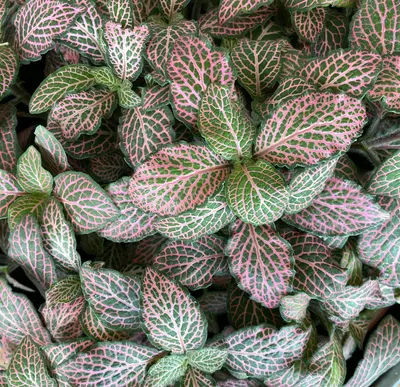
Often called 'Satin Pothos,' this trailing vine showcases heart-shaped leaves splashed with silvery variegation that gives them a satin-like sheen. This low-maintenance climber is perfect for beginners seeking an elegant alternative to regular pothos, with its sophisticated coloring and easy-care nature making it a must-have for any plant collection.
Sun
Partial shade
Zones
11–12
USDA hardiness
Height
3-10 feet
Complete Growing Guide
Light: Partial Shade (Direct sunlight only part of the day, 2-6 hours). Soil: High Organic Matter. Soil pH: Acid (<6.0). Drainage: Good Drainage, Moist. Height: 3 ft. 0 in. - 10 ft. 0 in.. Spread: 2 ft. 0 in. - 4 ft. 0 in.. Spacing: 3 feet-6 feet. Growth rate: Slow. Maintenance: Medium. Propagation: Stem Cutting.
Harvesting
Plants grown outdoors may produce flowers that are followed by small berries. Indoor plants typically do not produce flowers or fruit.
Type: Berry.
Storage & Preservation
Scindapsus pictus is an ornamental houseplant, not a food crop, so traditional preservation methods don't apply. However, propagated cuttings require proper preparation for long-term viability. Store bare stem cuttings in a cool, humid environment (65-70°F) for no longer than 1-2 days before rooting. Wrap cuttings loosely in damp paper towels and place in a sealed bag to retain moisture without promoting rot. For extended storage, root cuttings in water first, then transfer rooted plantlets to potting medium for establishment. Rooted plantlets can be stored in a cool greenhouse or bright indoor location for 2-4 weeks before final potting, provided they receive consistent indirect light and humidity. For long-term propagule storage, root cuttings and grow them in small containers under ideal conditions (bright light, 60-70% humidity, consistent moisture) before distributing or planting.
History & Origin
Origin: Southeast Bangladesh, West and Central Malesia
Advantages
- +Container-friendly — grows well in pots
- +Disease resistance: Generally disease resistant with proper care
- +Easy to grow — beginner-friendly
Considerations
- -Narrow hardiness range — best in zones 11-12
Companion Plants
Scindapsus pictus doesn't share soil or trade nutrients with its neighbors the way outdoor companions do — but grouping houseplants thoughtfully still matters, mostly for humidity and care compatibility. Pothos, Philodendron, and Monstera Deliciosa are the strongest groupings here. All three tolerate the same indirect light and follow the same "wait until the top inch or two dries out" watering rhythm, which means you're not accidentally drowning the Scindapsus trying to keep a thirstier plant alive. Clustered together on a shelf or in a corner, they nudge ambient humidity upward — genuinely useful in a heated Georgia home where central heat through January can push indoor humidity below 30%, low enough that leaf edges start to crisp. Peace Lily fits the same logic, though Boston Fern wants noticeably more consistent moisture than the others, so don't let it dictate your watering schedule for the whole group.
Succulents, cacti, and Fiddle Leaf Fig are the plants to keep elsewhere — not because of any chemical conflict, but because the care math doesn't add up. Succulents and cacti need soil bone-dry for 2-3 weeks between drinks; the Scindapsus wants water every 7-10 days depending on pot size and season. Those two schedules can't share a routine without one plant suffering for it. Fiddle Leaf Fig is a different problem — it drops leaves when moved 6 inches to the left and sulks near air vents. Its needs are fussy enough that anything grouped near it tends to get caught in the crossfire of constant repositioning.
Plant Together
Pothos
Similar care requirements and humidity needs, creates lush grouping
Philodendron
Shares same watering schedule and bright indirect light preferences
Snake Plant
Purifies air and tolerates similar low-light conditions
ZZ Plant
Both thrive in low to medium light with infrequent watering
Monstera Deliciosa
Compatible humidity and light needs, creates tropical aesthetic
Peace Lily
Both prefer consistent moisture and help increase ambient humidity
Rubber Plant
Similar bright indirect light needs and moderate watering schedule
Boston Fern
Increases humidity levels which benefits Scindapsus growth
Keep Apart
Fiddle Leaf Fig
Requires much brighter light and different watering schedule
Succulent varieties
Need drastically different watering frequency and often require direct sunlight
Cactus
Thrives in dry conditions while Scindapsus needs consistent humidity
Pests & Disease Resistance
Resistance
Generally disease resistant with proper care
Common Pests
Mealybugs, spider mites, scale insects
Diseases
Root rot from overwatering, leaf spot from poor ventilation
Troubleshooting Scindapsus Pictus
What you'll see, why it happens, and what to do about it.
Tiny white cottony clusters in leaf axils and along stems, with leaves looking sticky or dull
Likely Causes
- Mealybug infestation — they congregate where stems meet leaves and are easy to miss until the population is large
- Bringing in a new plant from a nursery or swapping cuttings without quarantine
What to Do
- 1.Dab individual mealybugs with a cotton swab soaked in 70% isopropyl alcohol — slow work, but it kills on contact
- 2.Follow up with a spray of diluted neem oil (2 tablespoons per gallon of water) every 5-7 days for 3 weeks
- 3.Quarantine any new houseplants for at least 2 weeks before setting them near your Scindapsus
Stems turning brown and mushy at the soil line, lower leaves yellowing and collapsing even when the plant hasn't dried out
Likely Causes
- Root rot — most commonly Pythium or Phytophthora species — caused by soil staying wet too long
- Pot without drainage holes, or a pot sitting in a saucer of standing water
What to Do
- 1.Unpot the plant, cut off any black or brown mushy roots with clean scissors, and let the root ball air-dry for 30 minutes
- 2.Repot into fresh, well-draining mix (a standard potting mix cut with 20-30% perlite works fine) in a pot with drainage holes
- 3.Hold off watering for a full week after repotting, then resume only when the top 1-2 inches of soil are dry
Frequently Asked Questions
Is Scindapsus pictus a good houseplant for beginners?▼
How much light does Scindapsus pictus need?▼
How often should I water Scindapsus pictus?▼
Can I propagate Scindapsus pictus from leaf cuttings?▼
What pests and diseases affect Scindapsus pictus?▼
How do I make my Scindapsus pictus bushier and fuller?▼
Growing Guides from Wind River Greens
Sources & References
External authority sources used in compiling this guide.
- ExtensionNC State Extension
See the Methodology page for how this data is sourced, what's AI-assisted, and known limitations.