Laxton's Progress No. 1
Pisum sativum 'Laxton's Progress No. 1'
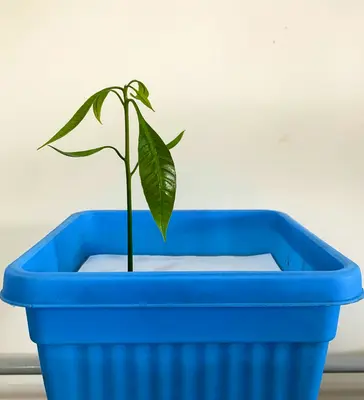
A classic English heirloom shelling pea dating back to the 1920s, beloved for its exceptional productivity and sweet flavor. This dwarf variety produces plump pods filled with tender, bright green peas that are perfect for fresh eating or freezing. Despite its compact size, it delivers impressive yields and has been a home garden favorite for nearly a century.
Harvest
60-65d
Days to harvest
Sun
Full sun to partial shade
Zones
2–11
USDA hardiness
Height
12-18 inches
Planting Timeline
Showing dates for Laxton's Progress No. 1 in USDA Zone 7
All Zone 7 pea →Zone Map
Click a state to update dates
Laxton's Progress No. 1 · Zones 2–11
Growing Details
Succession Planting
Direct sow Laxton's Progress every 14-16 days starting as soon as soil hits 45°F — typically late February through March in zone 7. Keep sowing through early May. Stop when daytime highs are consistently above 75-80°F; pod set falls off sharply in heat and powdery mildew becomes a losing battle at that point.
Pick up again in late summer for a fall run. Count back 65 days from your first expected frost date and sow then — in zone 7, that's usually a late August to early September window for harvest in October and November. Fall crops often outperform spring ones because the plants mature into cooling weather rather than racing against it.
Complete Growing Guide
Start preparing your planting site in late winter by working compost or well-aged manure into the soil. Laxton's Progress No. 1 thrives in soil with a pH between 6.0-7.0, so test and amend accordingly. This variety's compact 18-24 inch height makes it perfect for smaller gardens, but don't skip soil preparation — rich, loose soil directly translates to better pod production.
Direct sow seeds 2-4 weeks before your last frost date when soil temperature reaches 45°F. In zones 3-5, this typically means mid to late March; zones 6-8 can plant as early as February. Plant seeds 1-2 inches deep and 2-3 inches apart in rows spaced 12-18 inches apart. Unlike taller pea varieties, you can plant Laxton's Progress closer together for maximum yields in limited space.
While this dwarf variety doesn't require tall supports, provide low trellises or pea netting 2-3 feet high. The plants will lean and climb slightly, and support prevents pods from touching soil where they're prone to rot. Install supports at planting time to avoid disturbing roots later.
Fertilize lightly at planting with a balanced 10-10-10 fertilizer, then side-dress with compost when plants begin flowering. Avoid high-nitrogen fertilizers once established — peas fix their own nitrogen, and excess feeding promotes leafy growth at the expense of pod development. A common mistake is over-fertilizing these productive plants.
Maintain consistent soil moisture, especially during flowering and pod development. Water deeply once or twice weekly rather than frequent shallow watering. Mulch around plants with straw or shredded leaves to retain moisture and suppress weeds, keeping mulch 2 inches from plant stems.
In hot climates (zones 8-9), plant extra early and consider succession planting every 2 weeks through late winter. Laxton's Progress performs poorly in temperatures above 75°F, so timing is crucial for southern gardens. Northern gardeners can make succession plantings through early May for extended harvests.
Harvesting
Begin checking pods 60-65 days from planting when they reach 3-4 inches long and appear plump but still bright green. The pods should feel firm but yield slightly to gentle pressure — overly hard pods indicate the peas inside are past prime. Test a few pods by opening them; properly timed peas will be round, bright green, and sweet when eaten raw.
Harvest in early morning when pods are crisp and full of moisture. Use both hands when picking: hold the vine with one hand while gently pulling pods with the other to avoid damaging the plant. Laxton's Progress pods should snap off easily when ready. Check plants daily once harvesting begins, as pods can go from perfect to starchy within 2-3 days in warm weather.
Pick all ready pods even if you can't use them immediately — leaving mature pods on the plant signals it to stop producing new flowers. This variety will continue producing for 2-3 weeks with regular harvesting. The lower pods typically mature first, so work your way up the plant systematically.
Storage & Preservation
Fresh pods keep best unwashed in perforated plastic bags in the refrigerator for up to one week. For optimal sweetness, shell and use peas within 24 hours of harvesting, as their sugars convert to starch quickly even when refrigerated.
For freezing, shell peas and blanch in boiling water for 2 minutes, then immediately plunge into ice water. Drain thoroughly and freeze in portions suitable for your family size. Properly blanched and frozen Laxton's Progress peas maintain their sweet flavor for up to 8 months.
This variety also excels for drying into split peas. Allow pods to mature fully on the plant until they turn brown and rattle, then harvest and shell. Dry shelled peas on screens in a well-ventilated area for 2-3 weeks before storing in airtight containers. The sweet flavor of fresh Laxton's Progress translates beautifully into rich, flavorful split pea soup.
History & Origin
Laxton's Progress No. 1 was developed in the 1920s by Laxton Brothers, a renowned British seed company founded by Thomas Laxton in Stamford, Lincolnshire in 1877. The Laxton family revolutionized pea breeding during the early 20th century, creating numerous varieties that became garden staples on both sides of the Atlantic.
This particular variety was bred to combine the productivity of tall climbing peas with the convenience of compact growth, making it ideal for smaller British cottage gardens and the growing suburban American market. The 'Progress' name reflected the company's goal of advancing pea breeding technology while maintaining the classic English pea flavor.
During World War II, Laxton's Progress No. 1 gained popularity in victory gardens due to its reliable yields and compact size that maximized food production in limited space. The variety crossed the Atlantic and became established in American gardens by the 1930s, where it earned recognition for thriving in diverse climates while maintaining its distinctive sweet flavor and productivity that made it famous in English gardens.
Advantages
- +Exceptional productivity for such a compact plant, often yielding 6-8 pods per plant
- +No tall staking required — simple low supports or even growing unsupported works
- +Outstanding fresh eating quality with notably sweet, tender peas
- +Reliable germination and growth even in cool, wet spring conditions
- +Extended harvest period of 2-3 weeks with proper picking
- +Excellent for succession planting due to compact size and quick maturity
- +Superior freezing quality that retains sweetness better than many modern varieties
Considerations
- -Heat sensitive — struggles in temperatures above 75°F, limiting growing season
- -Shorter productive period compared to indeterminate climbing varieties
- -Pods must be harvested frequently or they become tough and starchy quickly
- -Lower total yield per square foot compared to tall climbing pea varieties
- -Susceptible to powdery mildew in humid conditions without good air circulation
Companion Plants
Carrots and radishes are the most practical companions for Laxton's Progress. They occupy different root zones — peas fix nitrogen near the surface while carrots pull deep — so there's no real competition for the same resources. Radishes do double duty: they break up compacted soil and, if you let a few bolt and flower, they pull in predatory wasps and hoverflies that keep aphid populations from getting out of hand. Lettuce and spinach fill the gaps between pea rows without crowding, and all three crops share the same cool-season window, so you're not juggling incompatible watering schedules.
Nasturtiums are worth planting along the border. They act as a trap crop — pea aphids will pile onto them before hitting your peas — so check the nasturtiums every few days and pinch off infested growth before the population migrates over. Marigolds don't bring a dramatic mechanism to a pea bed, but they don't compete either, and they attract enough generalist beneficials to justify the space.
Keep onions, garlic, and fennel out of the picture entirely. Onions and garlic release allelopathic compounds that interfere with legume root development and can suppress Rhizobium, the soil bacteria responsible for the nitrogen fixation that makes peas worth growing in the first place. Fennel is allelopathic to most vegetables and does better isolated from the main garden — it doesn't play well with much of anything.
Plant Together
Carrots
Peas improve soil nitrogen which carrots need, while carrots don't compete for the same nutrients
Radishes
Break up compacted soil for pea roots and mature quickly before peas need full space
Lettuce
Grows in pea shade and benefits from nitrogen fixation, while not competing for root space
Spinach
Cool-season crop that benefits from nitrogen-enriched soil and partial shade from pea vines
Marigolds
Repel aphids and other pests that commonly attack pea plants
Mint
Deters ants and aphids while attracting beneficial insects that protect peas
Chives
Repel aphids and improve growth through companion effect
Nasturtiums
Act as trap crop for aphids and cucumber beetles while attracting beneficial predatory insects
Keep Apart
Onions
Can inhibit pea growth and nitrogen fixation due to allelopathic compounds
Garlic
Releases compounds that can stunt pea growth and interfere with beneficial root bacteria
Fennel
Inhibits growth of most garden plants including peas through allelopathic effects
Nutrition Facts
Per 100g serving. % Daily Value based on 2,000 calorie diet. Source: USDA FoodData Central (FDC #170419)
Pests & Disease Resistance
Resistance
Good resistance to fusarium wilt
Common Pests
Aphids, pea weevil, thrips, slugs
Diseases
Powdery mildew, root rot, bacterial blight
Troubleshooting Laxton's Progress No. 1
What you'll see, why it happens, and what to do about it.
Leaf tips curling or puckering, sticky residue on stems and pods, often with small clusters of soft-bodied insects visible
Likely Causes
- Aphid infestation (likely pea aphid, Acyrthosiphon pisum) — they colonize new growth fast in cool spring weather
- Thrips feeding, which causes similar leaf distortion and off-color streaking per NC State Extension's IPM notes
What to Do
- 1.Knock aphids off with a firm spray of water from the hose — do this in the morning so foliage dries before evening
- 2.If populations persist, apply insecticidal soap directly to the colonies, hitting the undersides of leaves
- 3.Pull any broadleaf weeds from around the bed; NC State Extension's IPM guidance notes thrips and aphids regularly move in from weedy areas, so clearing that reservoir cuts reinfestation
White powdery coating on upper leaf surfaces, usually appearing after 40-50 days in the ground or once temperatures start climbing past 70°F
Likely Causes
- Powdery mildew — a fungal disease that spreads by airborne spores and hits hardest when days are warm and nights are still cool
- Spacing tighter than 4 inches that blocks airflow between plants
What to Do
- 1.Strip and trash the worst-affected leaves — don't compost them
- 2.Make sure plants are spaced at least 4-6 inches apart and that your support isn't bunching them into a wall
- 3.A late-planted crop of Laxton's Progress will hit mildew hard regardless of what you do; plan your last sowing so pods are finishing before daytime highs lock in above 80°F
Plants wilting despite adequate soil moisture, yellowing from the base up, roots appearing brown or water-soaked when pulled
Likely Causes
- Root rot — most often Pythium or Fusarium species — triggered by cold, waterlogged soil, especially in heavy clay
- Direct-sowing into soil below 45°F, which stretches germination past 14 days and leaves seed sitting in wet ground
What to Do
- 1.Don't direct sow until soil temperature reads at least 45°F on a probe thermometer — don't go by calendar date alone
- 2.Work in 2-3 inches of compost before planting and consider raised rows if your ground holds water after rain
- 3.Remove and dispose of affected plants; don't replant peas in that spot for at least 2 seasons
Frequently Asked Questions
How long does Laxton's Progress No. 1 take to grow?▼
Can you grow Laxton's Progress peas in containers?▼
Is Laxton's Progress No. 1 good for beginners?▼
What does Laxton's Progress No. 1 taste like?▼
When should I plant Laxton's Progress peas?▼
How much space do Laxton's Progress peas need?▼
Zone-by-Zone Planting Calendar
| Zone | Indoor Start | Transplant | Direct Sow | Harvest |
|---|---|---|---|---|
| Zone 3 | — | — | May – June | July – October |
| Zone 4 | — | — | April – June | June – October |
| Zone 5 | — | — | April – May | June – November |
| Zone 6 | — | — | April – May | June – November |
| Zone 7 | — | — | March – May | May – November |
| Zone 8 | — | — | March – April | May – December |
| Zone 9 | — | — | February – March | April – December |
| Zone 10 | — | — | January – March | March – December |
| Zone 1 | — | — | June – July | August – September |
| Zone 2 | — | — | May – July | July – September |
| Zone 11 | — | — | January – February | February – December |
| Zone 12 | — | — | January – February | February – December |
| Zone 13 | — | — | January – February | February – December |
Growing Guides from Wind River Greens
Sources & References
External authority sources used in compiling this guide.
See the Methodology page for how this data is sourced, what's AI-assisted, and known limitations.