Smooth Blue Aster
Symphyotrichum laeve
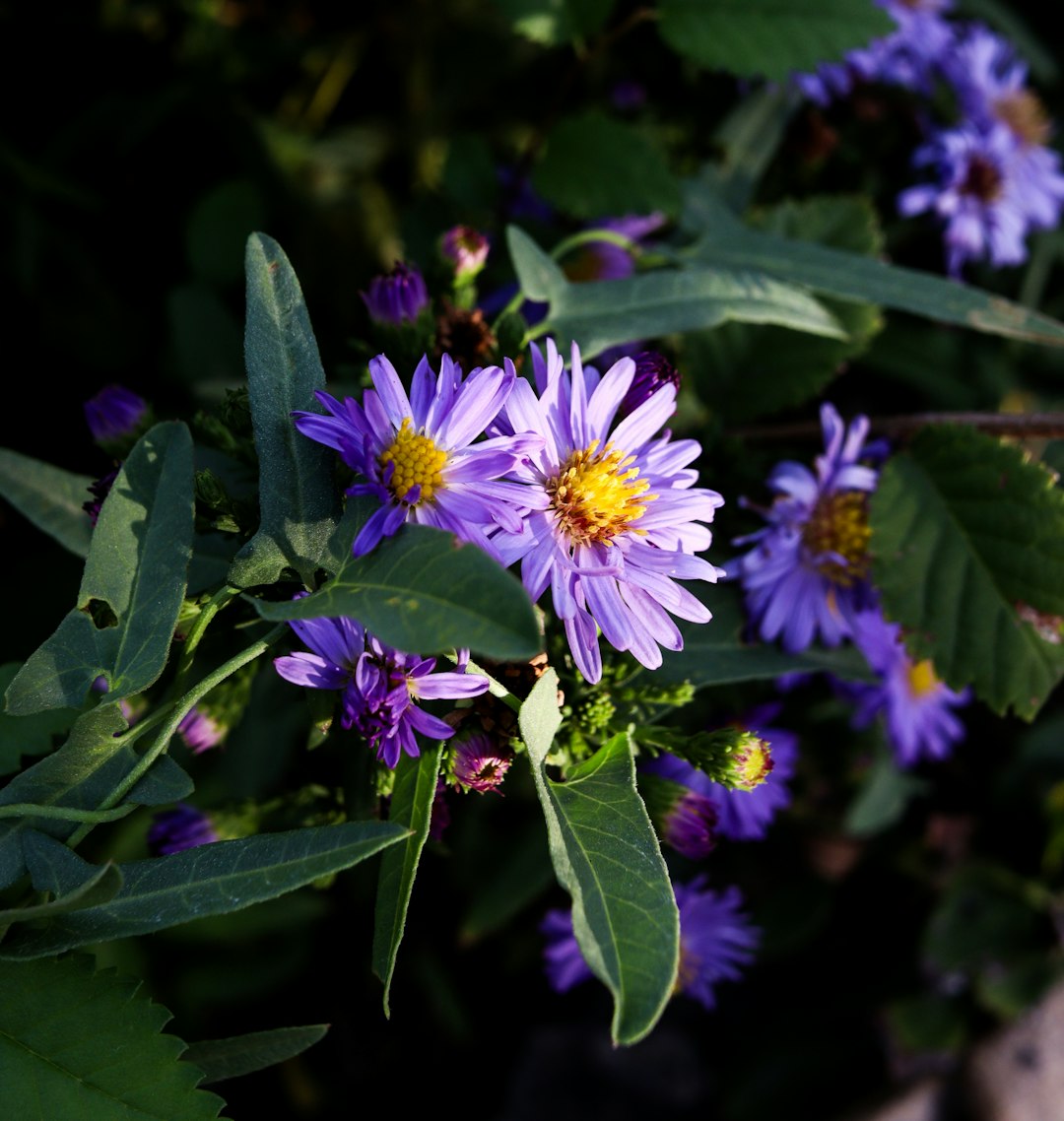
Smooth Blue Aster (Symphyotrichum laeve) is a perennial native wildflower. Hardy in USDA zones 4 to 8.
Sun
Full sun to partial shade
Zones
4–8
USDA hardiness
Height
2-4 feet
Planting Timeline
Showing dates for Smooth Blue Aster in USDA Zone 7
All Zone 7 native-wildflower →Zone Map
Click a state to update dates
Smooth Blue Aster · Zones 4–8
Growing Details
Complete Growing Guide
Light: Full sun (6 or more hours of direct sunlight a day), Partial Shade (Direct sunlight only part of the day, 2-6 hours). Soil: Clay, Loam (Silt), Sand. Drainage: Good Drainage, Moist, Occasionally Dry. Height: 2 ft. 0 in. - 4 ft. 0 in.. Spread: 1 ft. 0 in. - 2 ft. 0 in.. Spacing: 12 inches-3 feet. Growth rate: Rapid. Maintenance: Low. Propagation: Division, Seed. Regions: Mountains, Piedmont.
Harvesting
Produces a dry, one-seeded fruit (achene) tipped with red bristles. It displays from October to November
Type: Achene. Length: < 1 inch. Width: < 1 inch.
Harvest time: Winter
Storage & Preservation
Smooth Blue Aster flowers are best enjoyed fresh and can be stored in a cool location or refrigerator in a vase with fresh water for 7-10 days. Keep stems in 1-2 inches of water and change water every 2-3 days; maintain temperatures between 35-45°F and moderate humidity to extend vase life. For preservation, try air-drying bundles upside down in a well-ventilated space (2-3 weeks), pressing flowers between parchment paper for herbarium or craft use, or freezing blooms in ice cubes with water for decorative purposes. Dried flowers retain color well and can be stored in airtight containers away from direct sunlight for months.
History & Origin
Origin: Central & Eastern Canada North Central & Eastern U.S.A
Advantages
- +Attracts: Bees, Butterflies, Pollinators, Predatory Insects, Small Mammals, Songbirds, Specialized Bees
- +Fast-growing
- +Low maintenance
Companion Plants
Purple Coneflower (Echinacea purpurea), Black-eyed Susan (Rudbeckia hirta), and Goldenrod (Solidago spp.) are the backbone of a good aster planting — not because of any pest-confusion effect, but because they stagger bloom times across July through October and keep specialist native bees, including several Andrena species that depend on asters specifically, cycling through the same patch all season. Little Bluestem Grass is worth singling out: its tight, clumping roots stay shallow and don't undercut the aster's own root zone, and its fall color peaks right when Smooth Blue Aster blooms, which makes for a genuinely useful pairing on both ecological and visual grounds.
Black Walnut (Juglans nigra) is a hard stop — juglone leaches from roots and decomposing hulls into the surrounding soil and suppresses a wide range of plants; asters are sensitive enough that even a partially shaded drip zone can be a problem. Aggressive grasses — Bermudagrass (Cynodon dactylon) and Japanese stiltgrass (Microstegium vimineum) in particular — won't kill established asters quickly, but they'll crowd out any seedlings trying to naturalize and make dividing the clump every 3 years a much harder job than it needs to be.
Plant Together
Purple Coneflower
Shares similar growing conditions and blooms at different times, extending pollinator season
Black-eyed Susan
Complementary colors and bloom times, attracts beneficial insects and butterflies
Wild Bergamot
Both attract native pollinators and have similar water and soil requirements
Little Bluestem Grass
Provides structural support and creates natural prairie-like conditions
Goldenrod
Blooms simultaneously, creating mass pollinator habitat and complementary yellow-blue colors
Joe Pye Weed
Attracts butterflies and provides height variation while sharing moisture preferences
Wild Ginger
Serves as living mulch at base, retaining moisture and suppressing weeds
New England Aster
Similar growing requirements and extends aster blooming period with different timing
Keep Apart
Black Walnut
Produces juglone which is toxic to asters and inhibits their growth
Aggressive Grasses
Compete heavily for nutrients and can crowd out aster seedlings
Autumn Olive
Invasive shrub that outcompetes native plants for light and nutrients
Troubleshooting Smooth Blue Aster
What you'll see, why it happens, and what to do about it.
Powdery white coating on leaves mid-summer, starting on upper leaf surfaces
Likely Causes
- Powdery mildew (Erysiphe cichoracearum) — common on asters, especially in humid conditions with poor airflow
- Planting too close together at under 18 inches spacing
What to Do
- 1.Thin or divide crowded clumps so air can move through — 18 to 24 inches between plants is the minimum
- 2.Cut affected stems back by a third in late June or early July to encourage fresh growth before bloom
- 3.Avoid overhead watering in the evening; water at the base in the morning instead
Stems flopping over or leaning badly by midsummer, especially on plants over 3 feet
Likely Causes
- Insufficient sunlight — fewer than 4 hours of direct sun produces weak, elongated stems
- Excess nitrogen from a nearby fertilized lawn or vegetable bed pushing vegetative growth
What to Do
- 1.Pinch plants back by half in late May or early June — this delays bloom only slightly and produces a much sturdier plant
- 2.Relocate next season to a spot with at least 6 hours of full sun
- 3.Install a grow-through stake ring if the plant is already too tall to pinch
Seedlings or young transplants wilting and collapsing at the soil line in spring
Likely Causes
- Damping off (Pythium or Rhizoctonia species) — triggered by cold, waterlogged soil before roots establish
- Transplanting before soil has warmed, particularly before May in zone 7
What to Do
- 1.Wait until May to set transplants outdoors — soil temps below 50°F slow establishment and invite rot
- 2.Work coarse compost into the bed before planting to open up drainage; Smooth Blue Aster tolerates dry spells far better than wet feet
- 3.Keep mulch pulled back 2 inches from the stem base to let the crown breathe
Frequently Asked Questions
How long do Smooth Blue Aster flowers last in a vase?▼
When should I plant Smooth Blue Aster?▼
Can you grow Smooth Blue Aster in containers?▼
Is Smooth Blue Aster good for beginner gardeners?▼
How far apart should I space Smooth Blue Aster plants?▼
What are the benefits of planting Smooth Blue Aster?▼
Zone-by-Zone Planting Calendar
Growing Guides from Wind River Greens
Sources & References
External authority sources used in compiling this guide.
- ExtensionNC State Extension
See the Methodology page for how this data is sourced, what's AI-assisted, and known limitations.