Cannes Pink II-III
Antirrhinum majus
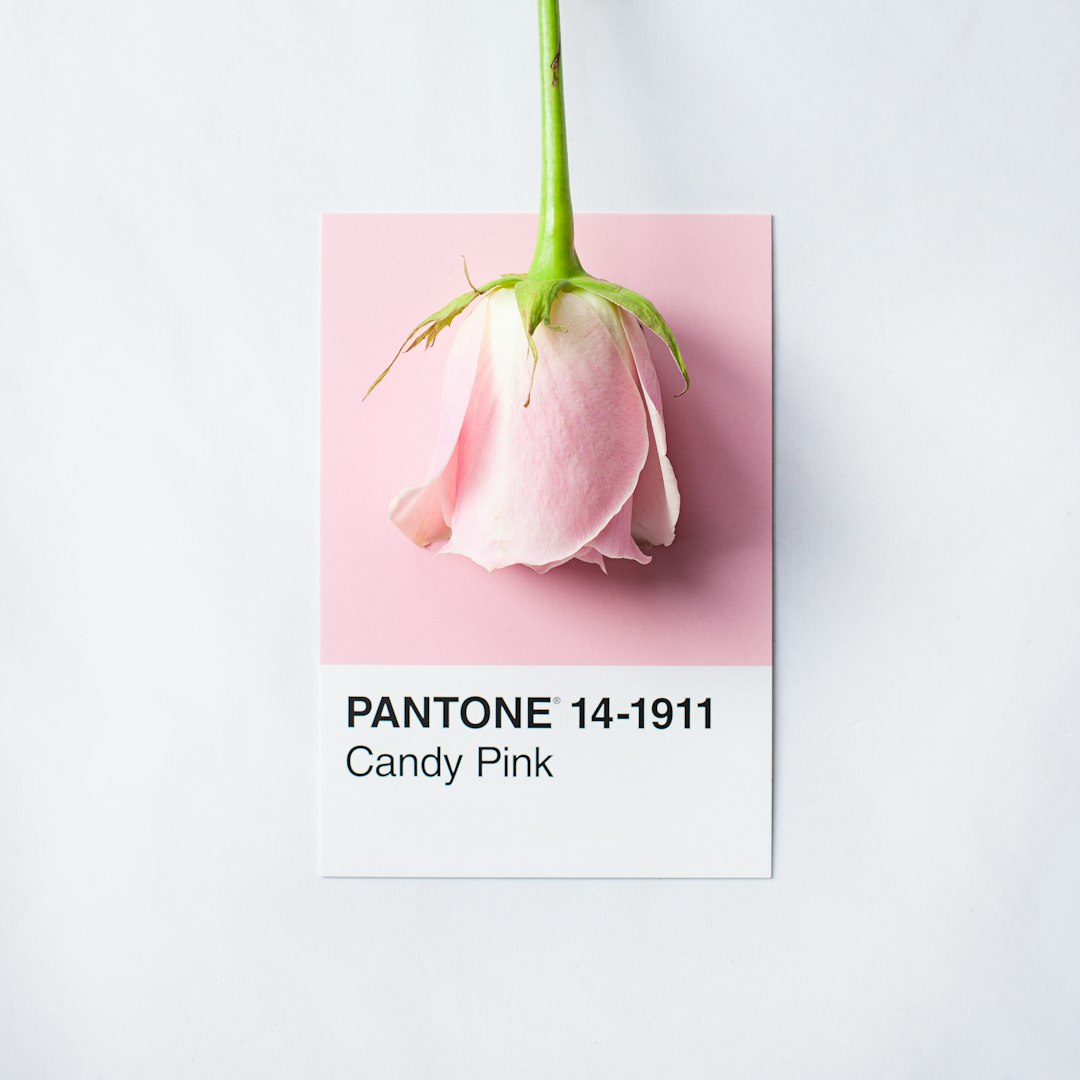
Cannes Pink II-III is a hybrid ornamental flower variety producing delicate pink blooms with distinctive floral character. Reaching maturity in 105-115 days, this easy-to-grow cultivar thrives in full sun to partial shade with moderate fertility soil. The petals offer a distinctly floral flavor profile with subtle lingering bitterness; harvesting early in the bloom cycle minimizes bitter notes, making it ideal for culinary garnishes or edible flower arrangements. Well-suited for container or garden cultivation.
Harvest
105-115d
Days to harvest
Sun
Full sun to partial shade
Zones
7–10
USDA hardiness
Height
0-3 feet
Planting Timeline
Showing dates for Cannes Pink II-III in USDA Zone 7
All Zone 7 flower →Zone Map
Click a state to update dates
Cannes Pink II-III · Zones 7–10
Growing Details
Succession Planting
Start seeds indoors 10–12 weeks before your last frost — for zone 7 that's roughly early to mid-February — and transplant out in April once nighttime lows are reliably above 40°F. Snapdragons bloom best in cool weather and stall out once daytime highs push consistently past 85°F, so a second sowing in late July for a fall flush is worth the effort. Get that second round in no later than early August; the plants need enough cool weeks to set buds before first frost closes things down.
Complete Growing Guide
This Group 2-3 snapdragon can be grown in the field or indoors and is well-suited for spring, early summer, and fall production. Uniform, high-quality blooms. The Cannes II-III series is about 5 days earlier to bloom than Potomac series in our trials. This variety is bred for the seasonal transitions between spring and summer, and summer and fall. Performs best for us in spring plantings for early summer harvests. Also suitable for overwintering. Edible Flowers: The flowers are a colorful garnish for use in salads, desserts, and drinks. The flavor is floral and slightly bitter, so use sparingly. According to Johnny's Selected Seeds, Cannes Pink II-III is 105 - 115 days to maturity, annual, hybrid (f1). Notable features: Greenhouse Performer, Use for Cut Flowers and Bouquets, Fragrant.
Light: Full sun (6 or more hours of direct sunlight a day), Partial Shade (Direct sunlight only part of the day, 2-6 hours). Soil: High Organic Matter. Drainage: Good Drainage. Height: 0 ft. 6 in. - 3 ft. 0 in.. Spread: 0 ft. 6 in. - 0 ft. 10 in.. Spacing: Less than 12 inches. Growth rate: Medium. Maintenance: Medium.
Harvesting
Cannes Pink II-III reaches harvest at 105 - 115 days from sowing per Johnny's Selected Seeds. As an annual, harvest continues until frost ends the season.
A capsule, half hidden by calyx lobes, short-beaked.
Type: Capsule. Length: 1-3 inches.
Storage & Preservation
Fresh-cut stems last 7-10 days in a clean vase with floral preservative and cool (65-72°F) conditions, or longer in a cooler held at 35-40°F for wholesale. Keep out of direct sun and away from ethylene-producing fruits. For edible flowers, use fresh within 1-2 days of harvest for best color and texture; refrigerate in a covered container on a damp paper towel.
To preserve: Freeze individual florets on a sheet tray, then transfer to freezer bags (lasts 6 months); thaw before use to avoid wilting. For drying, hang stems in bundles in a warm, dark, well-ventilated space for 2-3 weeks until papery and brittle, then store in airtight containers away from light. Dried flowers retain color well and are excellent for dried arrangements. Edible flowers are generally not recommended for canning or fermenting due to delicate texture; focus on fresh or dried preservation.
History & Origin
Cannes Pink II-III is an F1 hybrid developed through controlled cross-pollination. Listed in the Johnny's Selected Seeds catalog.
Origin: Southwestern Europe
Advantages
- +Blooms 5 days earlier than Potomac series for competitive market timing
- +Uniform high-quality flowers suitable for field or indoor production
- +Versatile seasonal variety ideal for spring, summer, and fall crops
- +Edible flowers provide added value as salad and dessert garnish
- +Performs excellently in spring plantings for early summer harvests
Considerations
- -Floral flavor is slightly bitter requiring restrained use in edibles
- -105-115 day timeline demands careful planning for seasonal transitions
- -Pink color may have limited appeal compared to bolder snapdragon shades
Companion Plants
Marigolds (especially Tagetes patula) earn their place here: their roots produce alpha-terthienyl, which suppresses soil nematodes, and their scent disrupts soft-bodied insects that would otherwise find Cannes Pink II-III first. Sweet Alyssum tucked along the border flowers fast and pulls in parasitic wasps that keep aphid pressure down. Fennel is broadly allelopathic and will stunt nearby annuals — give it its own bed at least 3 feet away. Black Walnut pushes juglone into the soil in concentrations that kill a wide range of plants, so don't site snapdragons anywhere within the drip line.
Plant Together
Marigolds
Repel nematodes and aphids while attracting beneficial insects
Caladium
Complementary foliage provides contrast and similar growing conditions
Coleus
Thrives in similar warm conditions and provides colorful foliage contrast
Impatiens
Shares similar moisture needs and provides continuous color
Begonias
Compatible growing requirements and complementary flowering periods
Sweet Alyssum
Attracts beneficial insects and provides ground cover
Nasturtiums
Acts as trap crop for aphids and adds edible flowers
Elephant Ears
Creates tropical backdrop with similar water and heat requirements
Keep Apart
Black Walnut
Produces juglone toxin that inhibits growth of many flowering plants
Eucalyptus
Releases allelopathic compounds that suppress nearby plant growth
Fennel
Inhibits growth of most garden plants through allelopathic effects
Pests & Disease Resistance
Common Pests
Aphids, spider mites, whiteflies
Diseases
Rust, powdery mildew, root rot in poorly drained soil
Troubleshooting Cannes Pink II-III
What you'll see, why it happens, and what to do about it.
Orange powdery pustules on the undersides of leaves, often spreading fast in cool, humid stretches
Likely Causes
- Antirrhinum rust (Puccinia antirrhini) — a fungal disease that spreads by windborne spores and moves quickly through dense plantings
- Poor airflow from crowding plants closer than 12 inches
What to Do
- 1.Pull and bag infected leaves immediately — don't compost them
- 2.Space plants at least 12–18 inches apart and avoid overhead watering in the evening
- 3.Apply a copper-based fungicide on a 7-day schedule if the infection is spreading; it won't cure existing pustules but slows new ones
Distorted new growth, sticky residue on stems and leaves, small clusters of soft-bodied insects on shoot tips
Likely Causes
- Aphid infestation (commonly green peach aphid, Myzus persicae) — they target soft new growth and reproduce fast in warm weather
- Overuse of high-nitrogen fertilizer, which pushes the lush, tender growth aphids prefer
What to Do
- 1.Knock aphids off with a firm spray of water from a hose — do this in the morning so foliage dries before evening
- 2.Apply insecticidal soap directly to the colonies; repeat every 5–7 days until populations drop
- 3.Back off on nitrogen if you've been fertilizing heavily — balanced feeding keeps growth sturdier
Frequently Asked Questions
How long does Cannes Pink II-III take to flower from seed?▼
Can you grow Cannes Pink II-III in containers?▼
Is Cannes Pink II-III good for beginners?▼
What does Cannes Pink II-III taste like as an edible flower?▼
When should I plant Cannes Pink II-III for spring and fall harvests?▼
Does Cannes Pink II-III need staking or support?▼
Zone-by-Zone Planting Calendar
| Zone | Indoor Start | Transplant | Direct Sow | Harvest |
|---|---|---|---|---|
| Zone 1 | May – June | July – August | July – September | — |
| Zone 2 | April – May | June – July | June – August | — |
| Zone 11 | January – January | January – February | January – March | — |
| Zone 12 | January – January | January – February | January – March | — |
| Zone 13 | January – January | January – February | January – March | — |
| Zone 3 | April – May | June – July | June – August | — |
| Zone 4 | March – April | June – June | June – July | — |
| Zone 5 | March – April | May – June | May – July | — |
| Zone 6 | March – April | May – June | May – July | — |
| Zone 7 | February – March | April – May | April – June | — |
| Zone 8 | February – March | April – May | April – June | — |
| Zone 9 | January – February | March – April | March – May | — |
| Zone 10 | January – January | February – March | February – April | — |
Growing Guides from Wind River Greens
Sources & References
External authority sources used in compiling this guide.
- BreederJohnny's Selected Seeds
See the Methodology page for how this data is sourced, what's AI-assisted, and known limitations.