Katz Lavender Blue
Matthiola incana
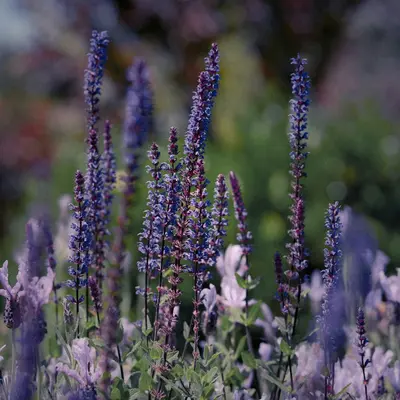
Long stems with 1 1/2-2", pale purple blooms. Early blooming one-cut series. Performed well in our spring, early summer, and fall trials. Good uniformity in bloom time and stem length. 55-60% double-flowering without selection; some selection possible. NOTE: This variety produces one flowering stem per plant. Pinching is not advisable as it will terminate flowering. Edible Flowers: The peppery, clove-like flavor of the flowers lends itself well to use as a garnish on salads, desserts, and drinks.
Harvest
90-100d
Days to harvest
Sun
Full sun to partial shade
Zones
6–10
USDA hardiness
Height
1-3 feet
Planting Timeline
Showing dates for Katz Lavender Blue in USDA Zone 7
All Zone 7 flower →Zone Map
Click a state to update dates
Katz Lavender Blue · Zones 6–10
Growing Details
Complete Growing Guide
Long stems with 1 1/2-2", pale purple blooms. Early blooming one-cut series. Performed well in our spring, early summer, and fall trials. Good uniformity in bloom time and stem length. 55-60% double-flowering without selection; some selection possible. NOTE: This variety produces one flowering stem per plant. Pinching is not advisable as it will terminate flowering. Edible Flowers: The peppery, clove-like flavor of the flowers lends itself well to use as a garnish on salads, desserts, and drinks. According to Johnny's Selected Seeds, Katz Lavender Blue is 90 - 100 days to maturity, annual, open pollinated. Notable features: Use for Cut Flowers and Bouquets, Edible Flowers, Fragrant.
Light: Full sun (6 or more hours of direct sunlight a day), Partial Shade (Direct sunlight only part of the day, 2-6 hours). Soil: Clay, High Organic Matter, Loam (Silt), Sand. Soil pH: Alkaline (>8.0), Neutral (6.0-8.0). Drainage: Good Drainage, Moist. Height: 1 ft. 0 in. - 3 ft. 0 in.. Spread: 0 ft. 9 in. - 1 ft. 6 in.. Spacing: Less than 12 inches, 12 inches-3 feet. Growth rate: Rapid. Maintenance: Low. Propagation: Seed. Regions: Coastal, Mountains.
Harvesting
Katz Lavender Blue reaches harvest at 90 - 100 days from sowing per Johnny's Selected Seeds. Expect 1 1/2-2" at peak. As an annual, harvest continues until frost ends the season.
Seeds will ripen in August and September.
Harvest time: Fall
Storage & Preservation
For fresh lavender blooms, store in a cool location away from direct sunlight. Keep stems in water at room temperature (65-70°F) or refrigerate at 35-40°F for extended vase life of 7-10 days. Maintain moderate humidity to prevent wilting. For preservation: (1) Air-dry bundles hung upside down in a cool, dark, well-ventilated area for 2-3 weeks to retain color and fragrance. (2) Freeze flowers in ice cube trays with water for culinary and beverage use. (3) Press flowers between parchment paper under weight for 1-2 weeks for decorative arrangements and crafts.
History & Origin
Katz Lavender Blue is open-pollinated, meaning seed saved from healthy plants will produce true-to-type offspring. Listed in the Johnny's Selected Seeds catalog.
Origin: The Coast of Europe from Spain to Greece.
Advantages
- +Long stems ideal for cutting and floral arrangements
- +Early blooming variety produces flowers in 90-100 days
- +Excellent uniformity in bloom time and stem length
- +Edible flowers add peppery clove flavor to culinary dishes
- +Performed consistently well across spring, summer, and fall trials
Considerations
- -Produces only one flowering stem per plant limiting yield
- -Single stem nature makes pinching impossible for branching
- -55-60% double-flowering rate requires selection for best blooms
Companion Plants
Rosemary, sage, thyme, and catmint make good neighbors for Katz Lavender Blue because they run on similar inputs — full sun, lean to moderate soil, sharp drainage. None of them are heavy feeders, and their root systems stay shallow enough that they won't compete hard with stock's. Alliums (ornamental or culinary) add something more specific: their sulfur compounds are thought to deter aphids, which do find Matthiola attractive, and their upright forms give a useful visual contrast to stock's vertical spikes. Echinacea and Russian sage fit in for practical reasons — both are drought-tolerant and open-structured enough that they don't shade shorter plants out.
Mint is the one to pull before it gets started. It spreads through underground runners fast enough to physically displace stock within a single growing season. Hostas and impatiens are a different problem — both are built for consistent moisture and shade, which is essentially the inverse of what stock wants. Planting them together doesn't split the difference; one plant just declines, and it's stock.
Plant Together
Rosemary
Similar water and soil requirements, both repel deer and rabbits
Sage
Complementary Mediterranean herbs with similar growing conditions
Thyme
Attracts beneficial pollinators and has matching drought tolerance
Catmint
Deters aphids and ants while attracting bees and butterflies
Echinacea
Attracts beneficial insects and provides contrasting flower colors
Sedum
Similar low-water needs and provides late-season pollinator food
Russian Sage
Compatible growth habits and extends blooming season
Alliums
Repel aphids and other pests while requiring similar well-draining soil
Keep Apart
Impatiens
Requires frequent watering which can cause root rot in lavender
Mint
Aggressive spreader that competes for space and prefers moist conditions
Hostas
Needs shade and consistent moisture, opposite of lavender's sun and dry requirements
Troubleshooting Katz Lavender Blue
What you'll see, why it happens, and what to do about it.
Seedlings collapse at soil level, stems pinched and dark at the base, 7–14 days after germination
Likely Causes
- Damping off (Pythium or Rhizoctonia spp.) — fungal rot triggered by wet, poorly ventilated germination conditions
- Overwatering or trays left sitting in standing water
What to Do
- 1.Toss the affected tray — there's no recovering damped-off seedlings
- 2.Start fresh with a sterile seed-starting mix, not garden soil or old potting mix
- 3.Run a small fan near your germination setup and water only when the surface is dry to the touch
Leaves develop gray, powdery coating, usually starting on older foliage in mid to late summer
Likely Causes
- Powdery mildew (Erysiphe cruciferarum) — common on brassica-family plants like stock, especially when nights cool and humidity rises
- Dense planting that restricts airflow
What to Do
- 1.Remove and bag the worst-affected leaves — don't compost them
- 2.Thin plants or stake sprawling stems so air can move between them
- 3.Apply a dilute neem oil spray (2 tsp per quart of water) every 7–10 days once you spot early signs
Plants push full, leafy stems but no flower spikes, even past day 70
Likely Causes
- Nights staying above 60°F, preventing the cool-period vernalization that Matthiola incana needs (45–55°F nights) to initiate bloom
- High-nitrogen fertilizer pushing vegetative growth at the expense of flowering
What to Do
- 1.Start seeds indoors in February so plants get 6–8 weeks of cool nights before summer heat arrives
- 2.Switch to a phosphorus-forward fertilizer (a 5-10-10 works) once plants reach 6 inches tall
- 3.Treat stock as a cool-season crop — plan for fall or very early spring bloom, not midsummer
Frequently Asked Questions
How long do Katz Lavender Blue flowers last in a vase?▼
Can I grow Katz Lavender Blue in containers?▼
What does Katz Lavender Blue taste like?▼
When should I plant Katz Lavender Blue seeds?▼
Is Katz Lavender Blue good for beginners?▼
Why does pinching terminate flowering on Katz Lavender Blue?▼
Zone-by-Zone Planting Calendar
| Zone | Indoor Start | Transplant | Direct Sow | Harvest |
|---|---|---|---|---|
| Zone 1 | May – June | July – August | July – September | — |
| Zone 2 | April – May | June – July | June – August | — |
| Zone 11 | January – January | January – February | January – March | — |
| Zone 12 | January – January | January – February | January – March | — |
| Zone 13 | January – January | January – February | January – March | — |
| Zone 3 | April – May | June – July | June – August | — |
| Zone 4 | March – April | June – June | June – July | — |
| Zone 5 | March – April | May – June | May – July | — |
| Zone 6 | March – April | May – June | May – July | — |
| Zone 7 | February – March | April – May | April – June | — |
| Zone 8 | February – March | April – May | April – June | — |
| Zone 9 | January – February | March – April | March – May | — |
| Zone 10 | January – January | February – March | February – April | — |
Growing Guides from Wind River Greens
Sources & References
External authority sources used in compiling this guide.
- BreederJohnny's Selected Seeds
See the Methodology page for how this data is sourced, what's AI-assisted, and known limitations.