Philodendron Brasil
Philodendron hederaceum 'Brasil'
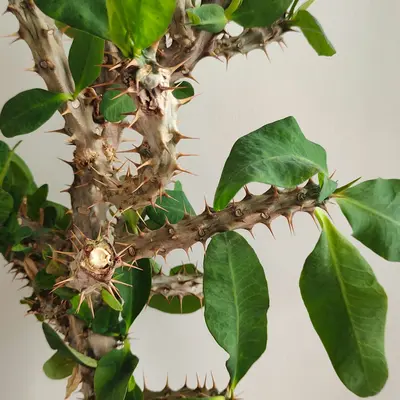
This vibrant trailing philodendron showcases heart-shaped leaves splashed with lime green and yellow variegation that brightens any space. A sport of the classic heartleaf philodendron, it's equally easy to grow but offers much more visual interest with its striking coloration. Perfect for hanging baskets or trailing from shelves, it grows quickly and tolerates lower light while maintaining its beautiful variegation.
Sun
Partial shade
Zones
11–12
USDA hardiness
Height
0-6 feet
Complete Growing Guide
The variegation in Philodendron Brasil demands brighter indirect light than its solid-green heartleaf cousin—place it within 3-6 feet of a window to prevent the distinctive yellow and lime streaking from fading to uniform green. This cultivar is particularly prone to leggy growth when light is insufficient, so rotate plants weekly and prune regularly to encourage bushier development rather than long bare stems. Brasil tolerates typical indoor humidity but benefits from occasional misting, especially during heating season when spider mites may become problematic on stressed plants. Water when the top inch of soil feels dry, but avoid overwatering, as this variety shows early signs of root rot through yellowing leaf margins. A practical tip: propagate trailing stems in water every 6-8 weeks and refresh the mother plant by potting rooted cuttings back into the original pot to maintain full, vibrant growth rather than allowing it to thin over time.
Light: Deep shade (Less than 2 hours to no direct sunlight), Partial Shade (Direct sunlight only part of the day, 2-6 hours). Drainage: Good Drainage, Moist. Height: 0 ft. 4 in. - 6 ft. 0 in.. Spread: 0 ft. 6 in. - 6 ft. 0 in.. Spacing: 3 feet-6 feet. Growth rate: Rapid. Maintenance: Low. Propagation: Stem Cutting.
Harvesting
Since Philodendron Brasil is grown purely for ornamental foliage rather than fruit or edible parts, traditional harvesting doesn't apply to this cultivar. Instead, "harvesting" refers to pruning for propagation or shaping. Pinch or cut stems just above a node when new growth reaches 6-12 inches in length and displays the desired lime-green and yellow variegation pattern—variegated sections become more pronounced on mature new leaves. Unlike single-harvest plants, Philodendron Brasil supports continuous harvesting throughout the growing season, encouraging bushier growth with each cut. For best results, prune in spring or early summer when the plant is actively growing, avoiding heavy cuts during dormancy to maintain vigor and vibrant coloration.
Fruits are white or orange to red berries.
Color: Orange, Red/Burgundy, White. Type: Berry.
Storage & Preservation
Philodendron Brasil is a living houseplant, not a perishable item, so traditional storage doesn't apply. Keep in a warm location (65-85°F) with moderate humidity (40-60%) away from direct sunlight. Indoors, it can be preserved indefinitely with proper care: bright, indirect light and watering when soil is dry to the touch. Propagation through stem cuttings in water or soil is an effective preservation method—cuttings root easily in 2-4 weeks. Periodic pruning maintains shape and encourages bushier growth. Repotting annually or every 18 months refreshes soil and supports long-term plant health.
History & Origin
Philodendron Brasil is a sport of Philodendron hederaceum, the classic heartleaf philodendron native to Central and South America. While detailed documentation on its specific breeder and introduction year remains limited, this variegated cultivar emerged through selective breeding programs focused on enhancing the ornamental appeal of the already-popular heartleaf species. The striking lime green and yellow variegation represents a genetic mutation that propagators recognized and developed into a stable cultivar. Like its parent variety, Brasil benefits from the heartleaf philodendron's well-established reputation as an easy-care houseplant, making it an attractive option for both novice and experienced plant enthusiasts seeking improved visual impact.
Origin: Mexico to Tropical America
Advantages
- +Striking lime-green and yellow variegation brightens indoor spaces beautifully
- +Tolerates low-light conditions while maintaining its vibrant leaf coloration
- +Grows quickly and cascades elegantly from hanging baskets or shelves
- +Easy care requirements make it perfect for beginner plant parents
- +Trailing growth habit maximizes visual impact with minimal space needed
Considerations
- -Susceptible to spider mites and mealybugs in dry indoor environments
- -Prone to root rot if soil remains consistently wet or poorly draining
- -Requires good air circulation to prevent fungal infections and leaf spot
- -Variegation can fade or diminish under insufficient light conditions
Companion Plants
Pothos, Spider Plant, and Boston Fern are solid shelf-mates for a Philodendron Brasil because they share the same light window — indirect brightness in the 4–6 hour range — and roughly the same watering rhythm. Matching water schedules matters more than people expect; if one plant wants to stay moist and its neighbor wants to dry out completely, somebody's roots are going to suffer. Boston Fern pulls extra duty here because it releases a meaningful amount of moisture through transpiration, nudging local humidity up a few points — useful from November through February when indoor heat runs constantly. Monstera deliciosa and Pothos also trail and climb in a similar way, so they share a corner without either plant crowding the other's root zone at the 12–18 inch spacing Brasil needs.
Succulents and cacti are the obvious mismatch: they need to dry out completely between drinks and want bright, direct light — the same conditions that bleach out and stress the variegated leaves on a Brasil. Fiddle Leaf Fig is a different kind of problem. It drops leaves in response to drafts, inconsistent watering, and being moved even a foot or two, which means it's constantly throwing off distress signals that have nothing to do with what's happening to your Brasil. Keeping the two together makes it genuinely hard to read what's wrong with which plant.
Plant Together
Pothos
Similar humidity and light requirements, creates beneficial microclimate together
Spider Plant
Helps increase humidity levels and shares similar watering needs
Peace Lily
Both thrive in medium to low light and prefer consistently moist soil
Boston Fern
Increases humidity through transpiration, benefits both plants' growth
Rubber Tree
Similar care requirements and both help purify indoor air quality
ZZ Plant
Tolerates similar light conditions and creates attractive textural contrast
Monstera Deliciosa
Fellow aroid with identical humidity and temperature preferences
Snake Plant
Releases oxygen at night while Philodendron releases during day
Keep Apart
Fiddle Leaf Fig
Requires much brighter light and less frequent watering, creating care conflicts
Succulent Plants
Prefer dry conditions and infrequent watering, opposite of Philodendron needs
Cacti
Thrive in low humidity and dry soil, conflicting with tropical moisture requirements
Pests & Disease Resistance
Resistance
Generally hardy, susceptible to root rot and bacterial leaf spot
Common Pests
Aphids, spider mites, mealybugs, thrips
Diseases
Root rot, bacterial leaf spot, fungal infections from poor air circulation
Troubleshooting Philodendron Brasil
What you'll see, why it happens, and what to do about it.
Leaves curling inward with fine webbing on the undersides, usually in dry indoor air
Likely Causes
- Spider mite (Tetranychus urticae) infestation — thrives when humidity drops below 40%
- Overly dry potting mix stressed the plant, making it more vulnerable
What to Do
- 1.Wipe both sides of every leaf with a damp cloth to physically remove mites, then follow up with insecticidal soap — two applications, 5 days apart
- 2.Move the pot away from heating vents and group it with other plants to raise ambient humidity
- 3.Check again at day 10; spider mites bounce back fast if you only treat once
White cottony clumps in leaf axils and along petioles
Likely Causes
- Mealybug (Pseudococcus longispinus or Planococcus citri) — commonly hitchhike in on new plants
- Overly nitrogen-rich feeding producing soft, lush growth that mealybugs prefer
What to Do
- 1.Dab each cluster directly with a cotton swab soaked in 70% isopropyl alcohol — don't dilute it further
- 2.Follow up with a neem oil spray (2 tsp neem, 1 tsp dish soap per quart of water) every 7 days for 3 weeks
- 3.Quarantine this plant from your other houseplants until you've gone 2 full weeks without seeing new bugs
Stems going soft and brown at the soil line, with yellowing leaves that pull off without resistance
Likely Causes
- Root rot — most often Pythium or Phytophthora species from soil that stays wet too long
- Pot without drainage holes, or a potting mix too dense to dry out between waterings
What to Do
- 1.Unpot the plant and cut off any black, mushy roots with clean scissors; let the root ball air-dry for 30 minutes before repotting
- 2.Use a fresh mix — peat or coco coir base cut with 20–30% perlite — and make sure the new pot has at least one drainage hole
- 3.Skip watering for 5–7 days after repotting to let cut root ends callous over
Water-soaked, dark brown spots on leaves that spread outward and sometimes develop a yellow halo
Likely Causes
- Bacterial leaf spot (Xanthomonas or Pseudomonas spp.) — often triggered by splashing water directly onto foliage
- Stagnant air trapping moisture on leaf surfaces overnight
What to Do
- 1.Pull off and bag the worst-affected leaves — don't drop them in the compost
- 2.Water at the soil line, not overhead, and do it early enough in the day that any accidental splash dries before evening
- 3.A small fan on low for a few hours a day does more for air circulation in a closed room than repositioning the plant alone
Frequently Asked Questions
Is Philodendron Brasil good for beginners?▼
How long does Philodendron Brasil take to grow?▼
Can Philodendron Brasil be grown in containers?▼
How often should I water Philodendron Brasil?▼
Does Philodendron Brasil need sunlight to keep its variegation?▼
What pests affect Philodendron Brasil and how do I treat them?▼
Growing Guides from Wind River Greens
Sources & References
External authority sources used in compiling this guide.
- ExtensionNC State Extension
See the Methodology page for how this data is sourced, what's AI-assisted, and known limitations.