Madame Butterfly Red
Antirrhinum majus
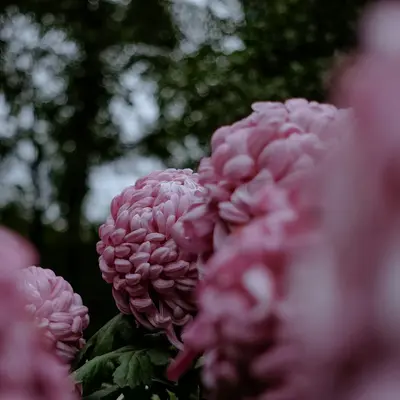
Madame Butterfly Red is a hybrid flower variety maturing in 110-120 days. It produces delicate, butterfly-like blooms in deep red tones, ideal for ornamental gardens and fresh arrangements. Featuring a distinctive floral flavor with subtle bitter notes, it's prized as an elegant garnish rather than a primary flavor element. Best grown in full sun to partial shade.
Harvest
110-120d
Days to harvest
Sun
Full sun to partial shade
Zones
7–10
USDA hardiness
Height
0-3 feet
Planting Timeline
Showing dates for Madame Butterfly Red in USDA Zone 7
All Zone 7 flower →Zone Map
Click a state to update dates
Madame Butterfly Red · Zones 7–10
Growing Details
Succession Planting
Madame Butterfly Red blooms best in cool-to-warm temperatures and stalls out once daytime highs stay above 85–90°F. For two distinct bloom windows, start a second round of seeds indoors 10–12 weeks before your first expected fall frost — in most zone 7 areas, that means starting in late June or early July for transplants going in the ground in late August, carrying you through October. The spring flush from your February–March indoor sow and the fall planting from your summer sow cover the season without much dead time in between.
Don't try to succession-sow every two weeks the way you would with lettuce or radishes — at 110–120 days to bloom, tight intervals don't add up to anything useful. Two well-timed plantings per season is the practical approach.
Complete Growing Guide
Also known as an azalea type, Madame Butterfly's double petals create full, fluffy blooms for a Victorian look. For outdoor or greenhouse production. Bloom time comparable to group 3-4 "main season" or "all season" varieties. Edible Flowers: The flowers are a colorful garnish for use in salads, desserts, and drinks. The flavor is floral and slightly bitter, so use sparingly. According to Johnny's Selected Seeds, Madame Butterfly Red is 110 - 120 days to maturity, annual, hybrid (f1). Notable features: Use for Cut Flowers and Bouquets, Edible Flowers, Fragrant.
Light: Full sun (6 or more hours of direct sunlight a day), Partial Shade (Direct sunlight only part of the day, 2-6 hours). Soil: High Organic Matter. Drainage: Good Drainage. Height: 0 ft. 6 in. - 3 ft. 0 in.. Spread: 0 ft. 6 in. - 0 ft. 10 in.. Spacing: Less than 12 inches. Growth rate: Medium. Maintenance: Medium.
Harvesting
Madame Butterfly Red reaches harvest at 110 - 120 days from sowing per Johnny's Selected Seeds. Expect 3-4 " at peak. As an annual, harvest continues until frost ends the season.
A capsule, half hidden by calyx lobes, short-beaked.
Type: Capsule. Length: 1-3 inches.
Storage & Preservation
Fresh cut blooms should be stored upright in a clean vase with cool water (65-72°F) in indirect light, lasting 7-10 days. Change water every 2-3 days and trim stems at an angle. For cooler storage, keep in a refrigerator at 35-40°F to extend vase life. Preservation methods: air-dry individual petals on a flat surface in a warm, well-ventilated area for 1-2 weeks for culinary garnish use; freeze petals in ice cubes with water for decorative purposes; or press flowers between paper under weight for botanical preservation and floral crafts.
History & Origin
Madame Butterfly Red is an F1 hybrid developed through controlled cross-pollination. Listed in the Johnny's Selected Seeds catalog.
Origin: Southwestern Europe
Advantages
- +Double petals create stunning full, fluffy blooms with Victorian garden appeal
- +Reliable 110-120 day bloom time fits standard main season production schedules
- +Easy difficulty level makes it accessible for beginner and commercial growers
- +Edible flowers provide unique culinary garnish for upscale plating applications
- +Suitable for both outdoor gardens and controlled greenhouse production environments
Considerations
- -Floral-bitter flavor requires restrained use in culinary applications to avoid overpowering
- -Double petals trap moisture, increasing susceptibility to powdery mildew and botrytis
- -Victorian-style blooms may seem dated compared to modern single-petal snapdragon varieties
Companion Plants
Marigolds are the most practical companion here. French marigold varieties (Tagetes patula) emit thiophenes from their roots that suppress soil nematodes, and their scent tends to confuse thrips and aphids that would otherwise go straight for the snapdragon stems. Planting a row 8–10 inches in front of Madame Butterfly Red gives you a visual anchor at the bed edge without any real competition for height.
Alyssum is worth tucking in at the base of your snapdragons for a different reason — it's a reliable nectar source for parasitic wasps (Braconidae and Chalcididae families) that prey on caterpillars and aphids. It stays under 6 inches, so there's no light competition, and it covers bare soil that would otherwise dry out fast or invite weeds. Nasturtiums pull double duty as a trap crop, drawing aphids away from your snapdragons — just be ready to pull them once they get heavily infested rather than letting the aphid population build.
The three plants to keep at a real distance are Black Walnut, Eucalyptus, and Fennel. Black Walnut produces juglone, a compound that leaches through the root zone and stunts or kills a wide range of ornamentals — the affected area can extend well beyond the tree's drip line, so "near the walnut" is riskier than it looks. Eucalyptus releases allelopathic oils through its leaf litter and roots that inhibit growth of nearby plants. Fennel is broadly antagonistic to most flowering annuals and tends to suppress anything planted within a foot or two of it. All three cause damage that's easy to misread as a watering or soil problem.
Plant Together
Marigolds
Repel aphids, whiteflies, and nematodes while attracting beneficial insects
Alyssum
Attracts beneficial insects like lacewings and provides ground cover
Nasturtiums
Act as trap crop for aphids and cucumber beetles, plus edible flowers
Petunias
Repel aphids, tomato hornworms, and squash bugs
Zinnia
Attracts butterflies and beneficial pollinators, similar care requirements
Salvia
Deters pests and attracts hummingbirds and beneficial insects
Lavender
Repels moths, fleas, and mosquitoes while attracting pollinators
Cosmos
Attracts beneficial insects and provides complementary colors
Keep Apart
Black Walnut
Releases juglone toxin that inhibits growth of many flowering plants
Eucalyptus
Produces allelopathic compounds that suppress nearby plant growth
Fennel
Inhibits growth of most garden plants through allelopathy
Troubleshooting Madame Butterfly Red
What you'll see, why it happens, and what to do about it.
Stems collapsing at soil level on young transplants or seedlings, often with a pinched, water-soaked look at the base
Likely Causes
- Damping off (Pythium or Rhizoctonia spp.) — fungal complex that thrives in cold, wet, poorly drained soil
- Overwatering combined with low airflow around seedling trays
What to Do
- 1.Water seedlings in the morning so the soil surface dries before nightfall
- 2.Use a sterile, well-draining seed-starting mix — not garden soil, which holds too much moisture and carries pathogens
- 3.Thin seedlings to at least 2 inches apart in trays to improve airflow; a small fan running on low helps
Powdery white coating spreading across leaves, usually showing up after plants have been in the ground 6–8 weeks
Likely Causes
- Powdery mildew (Erysiphe antirrhini) — common on snapdragons, especially when days are warm and nights are cool with high humidity
- Crowded planting that traps moisture and blocks air movement
What to Do
- 1.Strip and trash badly affected leaves — don't compost them
- 2.Space plants at least 10–12 inches apart at transplant time to keep air moving through the foliage
- 3.Apply a diluted neem oil spray (2 tsp per quart of water with a few drops of dish soap) every 7 days if the problem is spreading
Frequently Asked Questions
How long do Madame Butterfly Red flowers last in a vase?▼
Is Madame Butterfly Red a good choice for beginner gardeners?▼
Can I grow Madame Butterfly Red in containers?▼
What do Madame Butterfly Red flowers taste like?▼
When should I plant Madame Butterfly Red?▼
What are the light requirements for Madame Butterfly Red?▼
How do I use Madame Butterfly Red flowers in cooking?▼
Zone-by-Zone Planting Calendar
| Zone | Indoor Start | Transplant | Direct Sow | Harvest |
|---|---|---|---|---|
| Zone 1 | May – June | July – August | July – September | — |
| Zone 2 | April – May | June – July | June – August | — |
| Zone 11 | January – January | January – February | January – March | — |
| Zone 12 | January – January | January – February | January – March | — |
| Zone 13 | January – January | January – February | January – March | — |
| Zone 3 | April – May | June – July | June – August | — |
| Zone 4 | March – April | June – June | June – July | — |
| Zone 5 | March – April | May – June | May – July | — |
| Zone 6 | March – April | May – June | May – July | — |
| Zone 7 | February – March | April – May | April – June | — |
| Zone 8 | February – March | April – May | April – June | — |
| Zone 9 | January – February | March – April | March – May | — |
| Zone 10 | January – January | February – March | February – April | — |
Growing Guides from Wind River Greens
Sources & References
External authority sources used in compiling this guide.
- BreederJohnny's Selected Seeds
See the Methodology page for how this data is sourced, what's AI-assisted, and known limitations.