Orange Button
Calendula officinalis
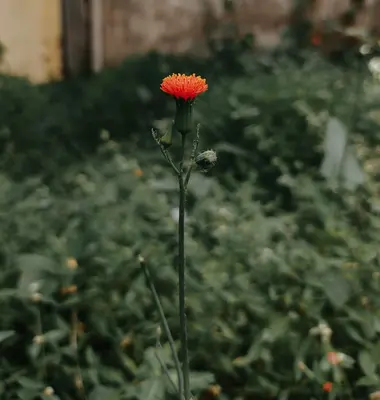
2-2 1/2" double blooms. A favorite in our trials for its vibrant color. Blooms have brilliant, dark orange petals and a contrasting dark, almost purple center. Also known as pot marigold, common marigold, and Scotch marigold. Edible Flowers: Petals of the flowers can be used fresh or dried in "flower confetti," soups, soufflés, rice dishes, baked goods, and to garnish desserts. Calendula is a popular choice for brightening up salad mix. Flavor is tangy and slightly bitter. Remove the petals from the flower base before consuming as the base can be quite bitter.
Harvest
50-55d
Days to harvest
Sun
Full sun to partial shade
Zones
2–11
USDA hardiness
Height
12-24 inches
Planting Timeline
Showing dates for Orange Button in USDA Zone 7
All Zone 7 flower →Zone Map
Click a state to update dates
Orange Button · Zones 2–11
Growing Details
Succession Planting
Direct sow every 14-21 days starting April 1 through early June in zone 7. Calendula handles light frost down to about 25°F, so you can push the first sowing earlier if you're willing to cover on cold nights — but once daytime highs are consistently above 85°F, bloom quality falls off fast and plants start looking threadbare. A second round started indoors in late August and transplanted out in mid-September will carry you through fall and often into December.
Deadhead every 3-5 days to keep plants producing. Skip it for a week or two in peak heat and plants shift energy toward seed set and largely stop flowering — cut them back by a third and they'll often rebound once temperatures drop back below 80°F.
Complete Growing Guide
2-2 1/2" double blooms. A favorite in our trials for its vibrant color. Blooms have brilliant, dark orange petals and a contrasting dark, almost purple center. Also known as pot marigold, common marigold, and Scotch marigold. Edible Flowers: Petals of the flowers can be used fresh or dried in "flower confetti," soups, soufflés, rice dishes, baked goods, and to garnish desserts. Calendula is a popular choice for brightening up salad mix. Flavor is tangy and slightly bitter. Remove the petals from the flower base before consuming as the base can be quite bitter. According to Johnny's Selected Seeds, Orange Button is 50 - 55 days to maturity, annual, open pollinated. Notable features: Cold Tolerant, Grows Well in Containers, Use for Cut Flowers and Bouquets, Edible Flowers, Attracts Beneficial Insects.
Light: Full sun (6 or more hours of direct sunlight a day), Partial Shade (Direct sunlight only part of the day, 2-6 hours). Soil: Clay, High Organic Matter, Loam (Silt), Sand. Soil pH: Acid (<6.0), Alkaline (>8.0), Neutral (6.0-8.0). Drainage: Good Drainage, Moist. Height: 1 ft. 0 in. - 2 ft. 0 in.. Spread: 1 ft. 0 in. - 2 ft. 0 in.. Maintenance: Medium. Propagation: Seed. Regions: Coastal, Mountains, Piedmont.
Harvesting
Orange Button reaches harvest at 50 - 55 days from sowing per Johnny's Selected Seeds. Expect 2-2 1/2" at peak. As an annual, harvest continues until frost ends the season.
Seeds ripe from August to November.
Type: Achene.
Harvest time: Fall
Edibility: Flower petals give color to soups, custards, and rice; also used in cookies, vinegars.
Storage & Preservation
Fresh petals store best in the refrigerator on a damp paper towel inside a sealed container, maintaining 35-40°F with moderate humidity for 3-5 days. Counter storage at room temperature shortens shelf life to 1-2 days. For longer preservation, air-dry petals in a warm, dark, well-ventilated space (1-2 weeks), then store in airtight containers away from light. Alternatively, freeze petals in ice cube trays with water or oil for up to 3 months, ideal for culinary use. Another option is infusing petals into vinegar or honey for extended storage and flavor enhancement.
History & Origin
Orange Button is open-pollinated, meaning seed saved from healthy plants will produce true-to-type offspring. Listed in the Johnny's Selected Seeds catalog.
Origin: Mediterranean
Advantages
- +Vibrant dark orange petals with striking purple center stand out dramatically
- +Reliable bloomer producing 2-2.5 inch double flowers in 50-55 days
- +Edible petals add tangy, slightly bitter flavor to salads and dishes
- +Easy to grow making it ideal for beginning and experienced gardeners
- +Versatile for fresh arrangements, dried confetti, and culinary applications
Considerations
- -Bitter flower base must be removed before consuming petals safely
- -Susceptible to powdery mildew in humid or crowded growing conditions
- -Requires deadheading regularly to maintain continuous blooming throughout season
- -Tends to self-seed aggressively potentially overwhelming nearby plantings
Companion Plants
Sweet alyssum is the most useful companion here — its tiny flowers attract parasitic wasps that target aphids and caterpillars, and it tops out at 6-8 inches so it won't crowd your calendula. Nasturtiums pull double duty as a trap crop, drawing aphids away from the main planting before they become your problem. In our zone 7 Georgia garden, both are easy to direct sow right alongside calendula in April. Give Black Walnut a wide berth — its roots release juglone, a compound that disrupts root respiration in Calendula officinalis — and skip planting near fennel, which leaches allelopathic compounds that stunt most neighboring annuals.
Plant Together
Marigolds
Repel nematodes and aphids while attracting beneficial insects
Nasturtiums
Act as trap crops for aphids and cucumber beetles
Lavender
Deters pests with strong fragrance and attracts pollinators
Sweet Alyssum
Attracts beneficial insects like lacewings and parasitic wasps
Cosmos
Attracts beneficial insects and provides complementary bloom colors
Zinnia
Attracts butterflies and beneficial predatory insects
Petunias
Repel aphids, tomato hornworms, and other garden pests
Catnip
Natural mosquito and ant repellent while attracting beneficial insects
Keep Apart
Black Walnut
Produces juglone toxin that inhibits growth of many flowering plants
Eucalyptus
Allelopathic compounds suppress nearby plant growth
Fennel
Inhibits growth of most garden plants through allelopathy
Troubleshooting Orange Button
What you'll see, why it happens, and what to do about it.
Powdery white coating on leaves and stems, usually appearing mid-summer when heat and humidity peak
Likely Causes
- Powdery mildew (Podosphaera xanthii or Golovinomyces cichoracearum) — a fungal disease that thrives when nights are cool and days are hot with poor air circulation
- Overcrowded spacing below 12 inches that traps moisture around foliage
What to Do
- 1.Cut out the worst-affected stems and trash them — don't compost
- 2.Space plants to at least 12 inches apart at transplant time so air can move through
- 3.Apply a diluted neem oil spray (2 tsp per quart of water) every 7-10 days on remaining foliage
Aphid clusters on new buds and stem tips, often showing up in spring before beneficial insect populations catch up
Likely Causes
- Green peach aphid (Myzus persicae) or black bean aphid (Aphis fabae) — both are drawn to the soft new growth calendula pushes out heavily
- Over-fertilizing with nitrogen, which produces the lush tender tissue aphids prefer
What to Do
- 1.Knock them off with a firm spray of water from the hose — do this in the morning so foliage dries before evening
- 2.If the infestation persists past 3-4 days, spray with insecticidal soap, hitting the undersides of leaves
- 3.Pull back on any nitrogen-heavy fertilizer; calendula doesn't need much feeding to perform
Frequently Asked Questions
How long do Orange Button calendula petals stay fresh after harvesting?▼
Is Orange Button calendula good for beginners?▼
Can you grow Orange Button calendula in containers?▼
What does Orange Button calendula taste like?▼
When should I plant Orange Button calendula seeds?▼
How far apart should I space Orange Button calendula plants?▼
Zone-by-Zone Planting Calendar
| Zone | Indoor Start | Transplant | Direct Sow | Harvest |
|---|---|---|---|---|
| Zone 3 | April – May | June – July | June – August | — |
| Zone 4 | March – April | June – June | June – July | — |
| Zone 5 | March – April | May – June | May – July | — |
| Zone 6 | March – April | May – June | May – July | — |
| Zone 7 | February – March | April – May | April – June | — |
| Zone 8 | February – March | April – May | April – June | — |
| Zone 9 | January – February | March – April | March – May | — |
| Zone 10 | January – January | February – March | February – April | — |
| Zone 1 | May – June | July – August | July – September | — |
| Zone 2 | April – May | June – July | June – August | — |
| Zone 11 | January – January | January – February | January – March | — |
| Zone 12 | January – January | January – February | January – March | — |
| Zone 13 | January – January | January – February | January – March | — |
Growing Guides from Wind River Greens
Sources & References
External authority sources used in compiling this guide.
- BreederJohnny's Selected Seeds
See the Methodology page for how this data is sourced, what's AI-assisted, and known limitations.