Sempre Bianca
Cichorium endivia
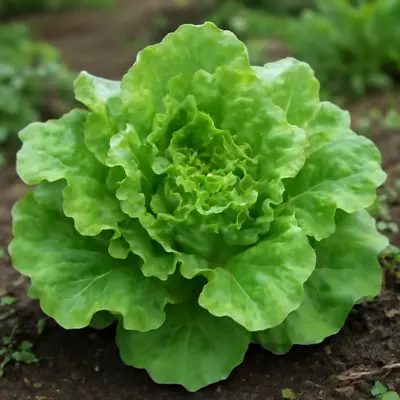
Soft, mildly flavored leaves provide excellent loft and color contrast to mixes. Narrow petioles for a long harvest window. Fast growing and upright.
Harvest
35d
Days to harvest
Sun
Full sun to partial shade
Zones
4–9
USDA hardiness
Height
10-24 inches
Planting Timeline
Showing dates for Sempre Bianca in USDA Zone 7
All Zone 7 lettuce →Zone Map
Click a state to update dates
Sempre Bianca · Zones 4–9
Growing Details
Succession Planting
Direct sow every 14–21 days starting March 1 in zone 7, and keep going through early May. Sempre Bianca bolts and turns bitter once daytime highs are consistently above 80°F, so any succession planting after mid-May is a gamble. At 35 days to harvest, a late-April sowing will just about make it before the heat arrives.
Pick it back up in late August for a fall run. Sow through early October — the plants handle light frost down to about 28°F, which extends your window well into November in most of zone 7. Fall endive is almost always better than spring: slower growth from cooling temperatures means tighter heads and less bitterness.
Complete Growing Guide
Soft, mildly flavored leaves provide excellent loft and color contrast to mixes. Narrow petioles for a long harvest window. Fast growing and upright. According to Johnny's Selected Seeds, Sempre Bianca is 35 baby to maturity, annual, open pollinated. Notable features: Cold Tolerant.
Light: Full sun (6 or more hours of direct sunlight a day), Partial Shade (Direct sunlight only part of the day, 2-6 hours). Soil: Clay, Loam (Silt), Sand. Soil pH: Acid (<6.0), Alkaline (>8.0), Neutral (6.0-8.0). Drainage: Good Drainage, Moist. Height: 0 ft. 10 in. - 2 ft. 0 in.. Spread: 0 ft. 10 in. - 1 ft. 6 in.. Spacing: 12 inches-3 feet. Growth rate: Rapid. Maintenance: High. Propagation: Seed. Regions: Coastal, Mountains, Piedmont.
Harvesting
Sempre Bianca reaches harvest at 35 baby from sowing per Johnny's Selected Seeds. As an annual, harvest continues until frost ends the season.
The fruit is obovoid to cylindrical in shape and slightly ribbed.
Color: Brown/Copper, Cream/Tan. Type: Achene. Length: < 1 inch. Width: < 1 inch.
Harvest time: Summer
Edibility: Leaves are edible raw or cooked. Blue flowers are used raw in a salad, as a garnish or pickled.
Storage & Preservation
Harvest Sempre Bianca at peak tenderness around day 35 for best storage potential. Store freshly cut heads in perforated plastic bags at 32–40°F with 95% humidity; they'll keep for up to two weeks under these conditions. A standard refrigerator crisper drawer works well if you mist lightly every few days to prevent wilting.
For preservation, freezing isn't recommended due to texture loss, but blanching and freezing works acceptably for cooked applications. Light fermentation is viable—simply layer shredded leaves with salt (2–3% by weight) in clean jars, weight down, and let sit at room temperature for 7–10 days until tangy. Drying is possible but yields minimal nutritional value.
Sempre Bianca's tender, pale inner leaves are particularly prone to browning at cut edges; use a ceramic or plastic knife rather than steel to minimize oxidation and extend visual appeal in storage.
History & Origin
Sempre Bianca is open-pollinated, meaning seed saved from healthy plants will produce true-to-type offspring. Listed in the Johnny's Selected Seeds catalog.
Origin: Eastern Mediterranean, India
Advantages
- +Soft, mild leaves create excellent visual appeal in salad mixes
- +Fast 35-day maturity enables quick harvests and succession planting
- +Narrow petioles allow extended picking without harvesting entire plant
- +Upright growth habit maximizes space efficiency in tight gardens
- +Easy difficulty makes it ideal for beginner vegetable growers
Considerations
- -Endive varieties prone to bitter flavor when stressed by heat
- -Narrow stems may be fragile during heavy rain or wind
- -Requires consistent moisture to prevent premature bolting or tip burn
- -Less cold-hardy than some chicory relatives in harsh winters
Companion Plants
Chives and garlic are the most practical companions here. Both release sulfur compounds that disorient aphids — a consistent pressure on endive — and neither competes seriously for root space with a shallow-rooted crop like Sempre Bianca. French marigolds (Tagetes patula specifically) earn a spot too: their root exudates suppress certain soil nematodes in the genus Meloidogyne, and they pull flea beetles away from the leaf canopy above ground. Radishes are worth tucking in at the edges — they mature in 25–30 days and loosen compaction before the endive's roots need the space.
Fennel is allelopathic to most vegetables, and endive gets the short end of that badly — plants within a foot or two tend to stunt out for no obvious reason until you pull the fennel. Broccoli is a problem for a different reason: it's a heavy nitrogen feeder that hosts some of the same aphid species you're already trying to keep off your endive. Those two crops need their own beds.
Plant Together
Chives
Repels aphids and improves lettuce flavor while providing natural pest deterrent
Marigolds
Deters nematodes, aphids, and other harmful insects while attracting beneficial predators
Carrots
Different root depths prevent competition and carrots help break up soil for lettuce roots
Radishes
Quick-growing radishes break up soil and can be harvested before lettuce needs full space
Spinach
Similar growing requirements and harvest times, efficient use of garden space
Garlic
Natural fungicide properties help prevent lettuce diseases and repels aphids
Nasturtiums
Acts as trap crop for aphids and cucumber beetles while adding edible flowers
Dill
Attracts beneficial insects like ladybugs and parasitic wasps that control lettuce pests
Keep Apart
Broccoli
Competes for similar nutrients and space, can shade lettuce and stunt growth
Sunflowers
Allelopathic effects inhibit lettuce germination and growth, plus creates excessive shade
Fennel
Strong allelopathic properties inhibit growth of lettuce and most other garden plants
Nutrition Facts
Per 100g serving. % Daily Value based on 2,000 calorie diet. Source: USDA FoodData Central (FDC #2346388)
Pests & Disease Resistance
Common Pests
Aphids, slugs, snails, flea beetles
Diseases
Downy mildew, lettuce mosaic virus, bottom rot (in excessive moisture)
Troubleshooting Sempre Bianca
What you'll see, why it happens, and what to do about it.
Seedlings collapse at soil level within the first 1–2 weeks after direct sowing — stem pinches off, plant tips over
Likely Causes
- Damping off — a complex of soil-borne fungi (Pythium spp., Rhizoctonia solani) that thrives in cold, wet, poorly-drained soil
- Overwatering or planting too early into soil that hasn't warmed past 40°F
What to Do
- 1.Don't replant into the same spot immediately — let the bed dry out, then amend with compost to improve drainage before resowing
- 2.Sow shallowly, about 1/4 inch deep, and water in the morning so surface moisture dries before night
- 3.If starting in trays, use a sterile seed-starting mix and bottom-water only — NC State Extension's organic IPM guidance points to avoiding excess surface moisture as the primary cultural control
Pale yellow patches on upper leaf surface with grayish-purple fuzzy growth on the underside, appearing in cool, wet stretches
Likely Causes
- Downy mildew (Bremia lactucae) — spreads rapidly when nights are cool (50–60°F) and humidity stays high
- Crowded planting at less than 6-inch spacing that traps moisture between leaves
What to Do
- 1.Remove and trash (not compost) affected leaves as soon as you spot them
- 2.Space plants at least 6–8 inches apart and avoid overhead irrigation in the evening
- 3.Rotate endive and other chicories out of that bed for at least one full season — Bremia persists in soil debris
Frequently Asked Questions
How long does Sempre Bianca lettuce take to grow?▼
Is Sempre Bianca good for container gardening?▼
Can you grow Sempre Bianca year-round?▼
What does Sempre Bianca lettuce taste like?▼
How often can you harvest Sempre Bianca?▼
Is Sempre Bianca heirloom, and why does that matter?▼
Zone-by-Zone Planting Calendar
| Zone | Indoor Start | Transplant | Direct Sow | Harvest |
|---|---|---|---|---|
| Zone 3 | — | — | May – June | June – October |
| Zone 4 | — | — | April – June | May – October |
| Zone 5 | — | — | April – May | May – November |
| Zone 6 | — | — | April – May | May – November |
| Zone 7 | — | — | March – May | April – November |
| Zone 8 | — | — | March – April | April – December |
| Zone 9 | — | — | February – March | March – December |
| Zone 10 | — | — | January – March | February – December |
| Zone 1 | — | — | June – July | July – September |
| Zone 2 | — | — | May – July | June – September |
| Zone 11 | — | — | January – February | January – December |
| Zone 12 | — | — | January – February | January – December |
| Zone 13 | — | — | January – February | January – December |
Growing Guides from Wind River Greens
Sources & References
External authority sources used in compiling this guide.
- BreederJohnny's Selected Seeds
- USDAUSDA FoodData Central
See the Methodology page for how this data is sourced, what's AI-assisted, and known limitations.