Pecan (Elliot)
Carya illinoinensis 'Elliot'
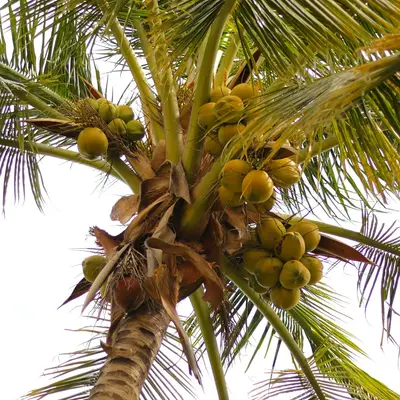
A favorite among Southern gardeners, Elliot produces small to medium-sized pecans with exceptional flavor and excellent cracking quality. This variety is prized for its consistent annual production and resistance to scab disease, making it one of the most reliable pecans for home growers. The nuts have a high kernel percentage and rich, buttery taste that makes them perfect for both fresh eating and baking.
Harvest
210-240d
Days to harvest
Sun
Full sun to partial shade
Zones
5–9
USDA hardiness
Height
70-100 feet
Planting Timeline
Showing dates for Pecan (Elliot) in USDA Zone 7
All Zone 7 nut-tree →Zone Map
Click a state to update dates
Pecan (Elliot) · Zones 5–9
Growing Details
Complete Growing Guide
The Elliot cultivar thrives in deep, well-draining soil in USDA zones 5–9, requiring full sun and excellent air circulation to minimize the scab disease pressure that affects many pecans. Unlike generic pecan recommendations, Elliot's 210–240 day maturation window demands a long, warm growing season; plant in early spring and avoid frost-prone microclimates. This variety's moderate to difficult rating stems largely from its need for consistent moisture during kernel development (mid-July through September) and the heavy pruning required to maintain the 70–100 foot frame. The exceptional cracking quality and consistent bearing habit make Elliot remarkably low-maintenance compared to other cultivars, though you must monitor for occasional hickory shuckworm activity. A practical advantage: plant two trees for reliable cross-pollination, spacing them 40–50 feet apart, which dramatically improves kernel set even though Elliot has some self-fertility.
Light: Full sun (6 or more hours of direct sunlight a day), Partial Shade (Direct sunlight only part of the day, 2-6 hours). Soil: Clay, Loam (Silt), Sand. Soil pH: Acid (<6.0), Alkaline (>8.0), Neutral (6.0-8.0). Drainage: Good Drainage, Moist, Occasional Flooding, Occasionally Dry. Height: 70 ft. 0 in. - 100 ft. 0 in.. Spread: 40 ft. 0 in. - 75 ft. 0 in.. Spacing: 24-60 feet, more than 60 feet. Growth rate: Medium. Maintenance: Medium. Regions: Coastal, Mountains, Piedmont.
Harvesting
Elliot pecans reach peak harvest readiness when the husks split open naturally and turn dark brown, revealing the shell beneath, typically occurring in mid to late fall. The nuts should feel heavy for their size and drop easily from the tree with a gentle shake, indicating full maturity and kernel development. Rather than a single harvest, plan for continuous gathering over two to three weeks as nuts progressively ripen and fall, collecting daily to prevent loss to wildlife and ground spoilage. For optimal timing with this variety, begin monitoring trees in early October and harvest immediately after the first hard frost, which triggers final kernel filling and easier husk separation, ensuring the highest kernel percentage and that signature buttery flavor.
Sweet edible nuts with a husk that splits into four sections when they ripen in the fall. Husk begins green and dries to brown. The nut is oval to round, 1-3" long, tan to brown with darker streaking. Wind pollinated.
Color: Brown/Copper, Cream/Tan, Green. Type: Nut. Length: 1-3 inches. Width: 1-3 inches.
Garden value: Edible
Harvest time: Fall, Summer
Edibility: Nuts are edible.
Storage & Preservation
Store freshly harvested Elliot pecans in a cool, dry location between 32–50°F with 65–75% humidity to prevent both moisture loss and mold. Keep them in breathable mesh bags or perforated containers rather than sealed plastic, which traps condensation. Under these conditions, in-shell pecans remain fresh for 6–12 months. Shelled kernels have a shorter shelf life of 2–4 weeks at room temperature due to their high oil content.
For longer storage, freeze shelled kernels in airtight containers or vacuum-sealed bags at 0°F or below; they'll keep for up to two years without significant flavor degradation. Roasting and vacuum-sealing extends freshness further. Drying is unnecessary since pecans naturally contain low moisture. Because Elliot varieties are prone to rancidity once shelled, store away from heat and light, and consider freezing immediately after processing if you won't use them within a few weeks.
History & Origin
The Elliot pecan emerged from the broader pecan improvement efforts centered in the American South during the mid-twentieth century, though detailed documentation of its specific breeder and introduction date remains limited in readily available horticultural records. Like many named pecan cultivars, Elliot likely arose from either deliberate selection or chance seedling discovery within Southern growing regions, subsequently propagated for its superior disease resistance and consistent production traits. The variety reflects the intensive breeding work conducted at land-grant universities and agricultural extension services across Texas, Georgia, and other pecan-growing states, which systematically identified and cultivated superior clones to advance both commercial and home orchard standards.
Origin: Central & E. Central U.S.A. to Mexico
Advantages
- +Exceptional flavor with rich, buttery taste perfect for fresh eating and baking
- +Excellent cracking quality makes kernel extraction easy and efficient
- +Consistent annual production provides reliable nut yields year after year
- +Strong resistance to scab disease reduces fungicide spray requirements
- +High kernel percentage maximizes usable nut meat per pound harvested
Considerations
- -Long 210-240 day season requires warm Southern climate to mature properly
- -Moderate to difficult growing difficulty demands experienced cultivation and management skills
- -Susceptible to pecan weevil and hickory shuckworm infestations requiring pest monitoring
- -Vulnerable to anthracnose and powdery mildew despite scab resistance
Companion Plants
Comfrey and clover are the most practical groundcover companions for a pecan planting. Comfrey's taproot reaches 4–6 feet down, pulling up calcium and potassium from subsoil layers and depositing them at the surface each time you cut and drop the leaves. Clover fixes atmospheric nitrogen — young pecan trees need a steady nitrogen supply through at least their first 5–7 years of establishment, and clover handles a meaningful share of that without a bag of fertilizer. Both tolerate mowing under the canopy and don't compete seriously for water once the tree is established. Marigolds, nasturtiums, and chives draw in predatory insects that keep aphid colonies from building on the lower branches.
Black walnut is the pairing to avoid outright. It produces juglone, an allelopathic compound that moves through the soil and inhibits root function in a wide range of plants — pecans among them. Eucalyptus releases similar allelopathic compounds from its leaf litter and roots. Pine trees are a slower problem: their needle duff acidifies the soil over years, gradually dragging pH below the 6.0 floor Elliot needs to take up nutrients properly.
Plant Together
Comfrey
Deep roots bring up nutrients for shallow-rooted pecans, leaves make excellent mulch
Clover
Nitrogen-fixing legume improves soil fertility, provides living mulch
Marigolds
Repel nematodes and aphids that can damage pecan roots and foliage
Nasturtiums
Trap crop for aphids and squash bugs, deters ants that farm aphids
Yarrow
Attracts beneficial insects, improves soil health with deep taproot
Chives
Repel aphids and other soft-bodied insects that damage pecan trees
Sunflowers
Attract pollinators and beneficial insects, provide windbreak for young trees
Lavender
Repels ants and aphids while attracting beneficial pollinators
Keep Apart
Black Walnut
Produces juglone toxin that can stunt pecan growth and cause leaf yellowing
Eucalyptus
Allelopathic compounds inhibit growth of nearby plants including pecans
Pine Trees
Create acidic soil conditions that pecans cannot tolerate, compete for nutrients
Nutrition Facts
Per 100g serving. % Daily Value based on 2,000 calorie diet. Source: USDA FoodData Central (FDC #2346395)
Pests & Disease Resistance
Resistance
Excellent scab resistance, moderate resistance to other diseases
Common Pests
Pecan weevil, aphids, hickory shuckworm
Diseases
Scab (resistant), anthracnose, powdery mildew
Troubleshooting Pecan (Elliot)
What you'll see, why it happens, and what to do about it.
Shucks split open prematurely and nuts show small, C-shaped larvae tunneling through the kernel, typically late summer
Likely Causes
- Hickory shuckworm (Cydia caryana) — larvae bore into developing shucks and kernels from midsummer onward
- Pecan weevil (Curculio caryae) — adults puncture shucks to lay eggs in late summer; larvae consume the kernel entirely
What to Do
- 1.Collect and destroy all fallen shucks and nuts immediately — don't leave them on the ground to overwinter larvae
- 2.For pecan weevil, NC State Extension recommends trunk-banded sticky traps or timed insecticide applications (carbaryl or permethrin) once adult weevils are detected in late August
- 3.Consistent fall cleanup over multiple years is the most effective long-term pressure reduction
Leaves and shucks develop dark olive-brown to black lesions, and kernel fill is poor at harvest despite decent-looking foliage earlier in the season
Likely Causes
- Pecan scab (Venturia effusa) — the most damaging fungal disease of pecans in humid climates; thrives in wet springs and summers
- Elliot is rated as scab-resistant, but resistant doesn't mean immune — heavy disease pressure years can still cause partial defoliation and reduced fill
What to Do
- 1.Prune for canopy airflow every dormant season; dense canopies hold moisture and give scab a foothold
- 2.If scab pressure has been severe in prior years, a protectant fungicide program starting at bud break — propiconazole is commonly used; check with your local extension office for timing — can reduce losses
- 3.If your Elliot is scabbing hard annually, check whether a nearby non-resistant variety is acting as a spore source and document it year over year
New growth is pale yellow-green and stunted, older leaves show interveinal yellowing, tree produces poorly for its age
Likely Causes
- Zinc deficiency — the most common nutritional problem in pecans; zinc moves poorly in soils above pH 7.0 or in heavily limed ground
- Nitrogen deficiency, especially in young trees planted in sandy soils with little organic matter
What to Do
- 1.Spray foliage with a zinc sulfate solution (1–2 lb per 100 gallons of water) starting at bud break and repeat 3–4 times through early summer — foliar application corrects deficiency faster than working zinc into the soil
- 2.Test your soil pH; if it reads above 7.0, stop liming and work to bring it down toward 6.5 over time
- 3.Side-dress young trees with a balanced fertilizer (10-10-10) at about 1 lb per inch of trunk diameter in early spring, and mulch 4–6 inches deep out to the drip line to build organic matter
Frequently Asked Questions
How long does it take Elliot pecan trees to produce nuts?▼
Is Elliot pecan a good variety for beginners?▼
Can you grow Elliot pecan trees in containers?▼
What does Elliot pecan taste like?▼
When should I plant Elliot pecan trees?▼
How do I protect Elliot pecans from pests and diseases?▼
Zone-by-Zone Planting Calendar
Growing Guides from Wind River Greens
Sources & References
External authority sources used in compiling this guide.
See the Methodology page for how this data is sourced, what's AI-assisted, and known limitations.