Iron White
Matthiola incana
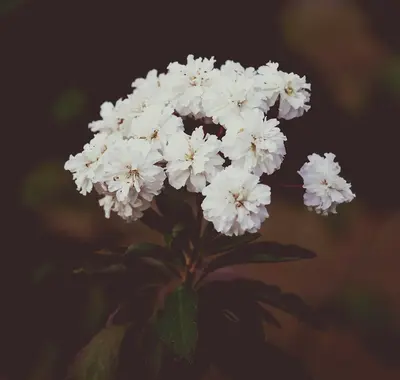
Early single-stem, or column-type stock in a highly uniform series for one-cut harvest. Aptly named for strong, straight, rigid stems. Iron performed well in our spring, early summer, and fall trials. Selectable for doubles and 55% double without selection. Compared to Katz, Iron is slightly later to flower, and has somewhat shorter and thicker stems. Tightly spaced florets on the flower spike make for compact 1 1/2-2", pure white blooms with a full appearance. NOTE: This variety produces one flowering stem per plant. Pinching is not advisable as it will terminate flowering. Edible Flowers: The peppery, clove-like flavor of the flowers lends itself well to use as a garnish on salads, desserts, and drinks.
Harvest
90-105d
Days to harvest
Sun
Full sun to partial shade
Zones
6–10
USDA hardiness
Height
1-3 feet
Planting Timeline
Showing dates for Iron White in USDA Zone 7
All Zone 7 flower →Zone Map
Click a state to update dates
Iron White · Zones 6–10
Growing Details
Succession Planting
Iron White blooms once per stem, so the only way to keep a steady supply of cut flowers across spring is to stagger your plantings. In zone 7, start seeds indoors in early February, then again around March 1. Transplant the first batch in mid-April once nights hold above 40°F, and follow with a second wave 2-3 weeks later. Don't push past a late-May transplant — plants going in the ground as June heat builds won't set buds well before daytime temps climb past 80°F and shut flowering down.
A late-August direct sow can theoretically yield fall bloom, with transplants going out in September, but results are unreliable in the Southeast. The 90-105 day window to harvest leaves little margin before first frost cuts the season short. Spring successions are the more dependable approach.
Complete Growing Guide
Early single-stem, or column-type stock in a highly uniform series for one-cut harvest. Aptly named for strong, straight, rigid stems. Iron performed well in our spring, early summer, and fall trials. Selectable for doubles and 55% double without selection. Compared to Katz, Iron is slightly later to flower, and has somewhat shorter and thicker stems. Tightly spaced florets on the flower spike make for compact 1 1/2-2", pure white blooms with a full appearance. NOTE: This variety produces one flowering stem per plant. Pinching is not advisable as it will terminate flowering. Edible Flowers: The peppery, clove-like flavor of the flowers lends itself well to use as a garnish on salads, desserts, and drinks. According to Johnny's Selected Seeds, Iron White is 90 - 105 days to maturity, annual, open pollinated. Notable features: Use for Cut Flowers and Bouquets, Edible Flowers, Fragrant.
Light: Full sun (6 or more hours of direct sunlight a day), Partial Shade (Direct sunlight only part of the day, 2-6 hours). Soil: Clay, High Organic Matter, Loam (Silt), Sand. Soil pH: Alkaline (>8.0), Neutral (6.0-8.0). Drainage: Good Drainage, Moist. Height: 1 ft. 0 in. - 3 ft. 0 in.. Spread: 0 ft. 9 in. - 1 ft. 6 in.. Spacing: Less than 12 inches, 12 inches-3 feet. Growth rate: Rapid. Maintenance: Low. Propagation: Seed. Regions: Coastal, Mountains.
Harvesting
Iron White reaches harvest at 90 - 105 days from sowing per Johnny's Selected Seeds. Expect 1 1/2-2" at peak. As an annual, harvest continues until frost ends the season.
Seeds will ripen in August and September.
Harvest time: Fall
Storage & Preservation
Iron White flowers are best stored fresh at room temperature (65-72°F) in a vase with fresh water, away from direct sunlight and ripening fruit. For short-term storage (2-3 days), refrigerate at 35-40°F in a humid environment. To preserve longer, air-dry flower spikes in a cool, dark, well-ventilated space for 1-2 weeks for dried arrangements. Alternatively, press flowers between parchment paper under heavy books for 2-3 weeks for flattened specimens. For culinary garnishes, freeze individual petals in ice cube trays with water for up to 3 months.
History & Origin
Iron White is open-pollinated, meaning seed saved from healthy plants will produce true-to-type offspring. Listed in the Johnny's Selected Seeds catalog.
Origin: The Coast of Europe from Spain to Greece.
Advantages
- +Strong, rigid stems ideal for professional cut flower arrangements and transport
- +Highly uniform series ensures consistent quality for one-cut harvest operations
- +Compact, full white blooms with tightly spaced florets create premium appearance
- +Performs reliably across spring, early summer, and fall growing seasons
- +Edible flowers add culinary value as garnish with peppery clove-like flavor
Considerations
- -Single flowering stem per plant limits yield compared to pinchable varieties
- -Slightly later to flower than Katz variety extends time to marketable product
- -Pinching terminates flowering making it unsuitable for extended harvest strategies
- -Shorter and thicker stems than Katz may not suit all floral design preferences
Companion Plants
Marigolds and Calendula pull weight near Iron White stock by repelling aphids and whiteflies — both of which will find Matthiola if given the chance. Sweet Alyssum draws in ground beetles and parasitic wasps once it flowers out, and it stays low enough that it won't shade your stock spikes. Nasturtiums function as a trap crop: aphids pile onto them preferentially, giving you one easy stem to yank and discard rather than picking insects off your stock. Cosmos and Zinnia are simply good neighbors — similar water needs, no allelopathic chemistry, and they fill cut-flower bed gaps without competing hard at the root zone.
Black Walnut is the one to cut a wide berth around — juglone persists in the soil and doesn't stop at the drip line; in our zone 7 Georgia garden, people are often surprised to find the toxic zone extends 50 feet or more from the trunk. Fennel is allelopathic to most annuals and a reliable way to undercut whatever's growing near it. Eucalyptus releases volatile terpenes that suppress neighboring plant growth, so keep Iron White well clear of any of those three.
Plant Together
Marigolds
Repel nematodes and aphids while attracting beneficial insects
Nasturtiums
Act as trap crops for aphids and cucumber beetles
Sweet Alyssum
Attracts beneficial predatory insects and provides ground cover
Lavender
Repels pests with strong fragrance and attracts pollinators
Cosmos
Attracts beneficial insects and provides complementary height structure
Zinnia
Attracts butterflies and beneficial predatory insects
Catmint
Repels ants, aphids, and rodents while attracting beneficial insects
Calendula
Attracts beneficial insects and may help deter certain soil pests
Keep Apart
Black Walnut
Produces juglone toxin that inhibits growth of many flowering plants
Eucalyptus
Releases allelopathic compounds that suppress nearby plant growth
Fennel
Inhibits growth of most garden plants through allelopathy
Troubleshooting Iron White
What you'll see, why it happens, and what to do about it.
Seedlings collapse at the soil line, often with a dark, pinched stem near the base
Likely Causes
- Damping off — typically Pythium or Rhizoctonia solani, both encouraged by overwatering and poor airflow around seedling trays
- Starting seeds in non-sterile potting mix or reused trays with residue
What to Do
- 1.Use a fresh, sterile seed-starting mix — not garden soil or last year's bag that's been sitting open
- 2.Water from the bottom, and let the top of the mix dry slightly between waterings
- 3.Run a small fan near your trays for 20-30 minutes a day to keep air moving
Leaves developing gray, powdery coating, usually starting on older foliage in mid to late season
Likely Causes
- Powdery mildew — several species of Erysiphe, common on Matthiola when nights cool down and humidity spikes
- Dense planting with poor airflow between plants
What to Do
- 1.Give plants at least 12 inches of spacing so air can move through; crowded stock goes downhill fast
- 2.Apply a potassium bicarbonate spray (per label) at first sign — it won't reverse existing damage but slows spread
- 3.Pull and bin heavily infected stems rather than composting them
Flower buds forming but failing to open fully, or spikes going soft and flopping before bloom
Likely Causes
- Heat stress — Matthiola incana is a cool-season bloomer at heart; daytime temps above 80°F stall bud development
- Boron deficiency, which disrupts cell wall formation in new growth and flower tissue
What to Do
- 1.Time your planting so buds are setting before heat arrives — in zone 7 that means transplants in the ground by late April at the latest
- 2.If floppage is the issue, stake spikes early with bamboo and soft twine; don't wait until they've already bent
- 3.For suspected boron deficiency, a foliar spray of soluble boron (0.5 oz per gallon) can help — NC State Extension lists boron as a common micronutrient gap in Georgia soils
Frequently Asked Questions
How long do Iron White flower stems last in a vase?▼
Is Iron White stock easy to grow for beginners?▼
What do Iron White stock flowers taste like?▼
Can you grow Iron White stock in containers?▼
When should I plant Iron White stock for spring harvest?▼
Why shouldn't I pinch Iron White stock plants?▼
Zone-by-Zone Planting Calendar
| Zone | Indoor Start | Transplant | Direct Sow | Harvest |
|---|---|---|---|---|
| Zone 3 | April – May | June – July | June – August | — |
| Zone 4 | March – April | June – June | June – July | — |
| Zone 5 | March – April | May – June | May – July | — |
| Zone 6 | March – April | May – June | May – July | — |
| Zone 7 | February – March | April – May | April – June | — |
| Zone 8 | February – March | April – May | April – June | — |
| Zone 9 | January – February | March – April | March – May | — |
| Zone 10 | January – January | February – March | February – April | — |
| Zone 1 | May – June | July – August | July – September | — |
| Zone 2 | April – May | June – July | June – August | — |
| Zone 11 | January – January | January – February | January – March | — |
| Zone 12 | January – January | January – February | January – March | — |
| Zone 13 | January – January | January – February | January – March | — |
Growing Guides from Wind River Greens
Sources & References
External authority sources used in compiling this guide.
- BreederJohnny's Selected Seeds
See the Methodology page for how this data is sourced, what's AI-assisted, and known limitations.