Oregon Giant
Pisum sativum
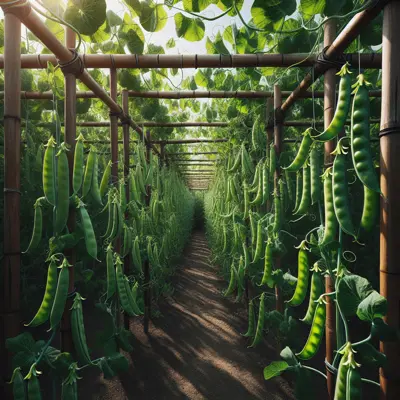
Abundant yields of medium-green pods up to 4 1/2" long x 1" wide. The 30" tall, white-flowered vines produce 1 to 2 pods per node. Bred by the late Dr. James Baggett of Oregon State University.
Harvest
60d
Days to harvest
Sun
Full sun to partial shade
Zones
2–11
USDA hardiness
Height
12-18 inches
Planting Timeline
Showing dates for Oregon Giant in USDA Zone 7
All Zone 7 pea →Zone Map
Click a state to update dates
Oregon Giant · Zones 2–11
Growing Details
Succession Planting
Oregon Giant hits harvest in 60 days and stops producing once daytime temperatures push past 80°F. Direct sow every 14 days starting March 1 in zone 7, with a hard stop around April 15 for the spring run — you'll fit 2–3 sowings before heat ends it. For fall, count back 70 days from your first expected frost and target a mid-August sowing. Soil temps above 75°F will gut germination rates, so soak the bed the day before you sow and try to get the seeds in during a cooler stretch.
Complete Growing Guide
Start preparing your Oregon Giant pea bed in late winter by working 2-3 inches of aged compost into well-draining soil. These vigorous climbers demand rich, fertile conditions to support their massive pod production, so don't skimp on soil preparation. Test your soil pH and aim for 6.0-7.0 for optimal nutrient uptake.
Direct sow seeds in early spring, 3-4 weeks before your last frost date when soil temperature reaches 45°F. Plant seeds 1.5 inches deep and 3-4 inches apart in double rows spaced 6 inches apart. The double-row method maximizes your harvest space while providing mutual support as plants mature. Avoid indoor starting—peas transplant poorly and direct seeding produces stronger root systems.
Install sturdy support structures at planting time, not later. Oregon Giant reaches 6-8 feet tall and produces heavy pods that will topple inadequate supports. Use 8-foot tall trellises, cattle panels, or strong netting capable of supporting 20+ pounds per running foot. Position supports on the north side of your bed to prevent shading other crops.
Fertilize lightly at planting with a balanced organic fertilizer, then switch to low-nitrogen feeds once flowering begins. Peas fix their own nitrogen, so excess nitrogen produces leafy growth at the expense of pod production. Side-dress with bone meal or rock phosphate when first flowers appear to boost pod development.
Maintain consistent soil moisture throughout the growing season—irregular watering causes poor pod fill and tough, stringy texture. Apply 1-2 inches weekly through drip irrigation or soaker hoses to keep foliage dry and prevent disease. Mulch around plants with straw to retain moisture and suppress weeds.
Watch for common mistakes that reduce yields: overcrowding (leads to poor air circulation and disease), harvesting too late (pods become tough), and inadequate support (causes plant breakage). Train young vines to climb by gently weaving tendrils through support structures rather than tying, which can damage stems.
Harvesting
Begin harvesting Oregon Giant pods when they reach 4-5 inches long but remain completely flat with small, barely visible peas inside. The pods should feel crisp and snap easily when bent, with a bright green color and glossy appearance. Harvest in early morning when pods are fully hydrated and at peak crispness.
Perform the 'snap test' by bending a pod gently—it should break with a clean snap rather than bend or feel rubbery. Avoid pods that feel thick or show visible pea bumps, as these indicate ovematurity and will be tough and stringy. Use both hands when harvesting: hold the vine steady with one hand while gently pulling pods with the other to prevent vine damage.
Harvest every 2-3 days during peak production to keep plants producing. Oregon Giant pods grow quickly and can go from perfect to overmature in just 2-3 days during warm weather. Cut pods with clean scissors rather than pulling if vines seem fragile, especially during hot weather when plants are more brittle.
Storage & Preservation
Store fresh Oregon Giant pods in perforated plastic bags in your refrigerator's crisper drawer at 32-36°F with high humidity. Properly stored pods maintain peak quality for 7-10 days, significantly longer than standard snow peas due to their robust structure.
For freezing, blanch whole pods in boiling water for 90 seconds, then plunge into ice water. Drain thoroughly and freeze in airtight containers for up to 8 months. Oregon Giant's substantial pods freeze exceptionally well and retain their crisp texture better than thinner varieties.
Dehydrate pods at 125°F for 8-12 hours until crisp for healthy snacks or soup additions. The large size makes Oregon Giant ideal for pickling—use a standard cucumber pickle brine and process small pods (3-4 inches) for best results. Fermented snow peas using a 3% salt brine create a probiotic-rich condiment popular in Korean cuisine.
History & Origin
Oregon Giant represents a breakthrough in snow pea breeding achieved in the Pacific Northwest during the late 1990s. Developed by specialty seed breeders focusing on Asian vegetable varieties for American gardens, this hybrid emerged from crosses between traditional Chinese flat-podded varieties and robust American climbing peas.
The variety was specifically bred to combine the delicate flavor and texture prized in Asian cuisine with the vigorous growth habits and disease resistance needed for diverse American growing conditions. Oregon's climate—with its cool, moist springs and dry summers—provided the ideal testing ground for developing a variety that could thrive across multiple growing zones.
The 'Giant' designation refers not just to pod size but to the overall plant vigor and productivity. Early trials showed plants producing 40% more harvestable pods than standard snow pea varieties while maintaining superior eating quality. The variety gained popularity among Asian-American communities first, then spread to mainstream gardeners seeking restaurant-quality ingredients for home cooking.
Advantages
- +Produces 5-6 inch pods while maintaining tender, sweet texture throughout their impressive size
- +Exceptionally productive plants yield 2-3 times more harvestable pods than standard snow pea varieties
- +Superior disease resistance to powdery mildew and pea enation virus compared to heirloom varieties
- +Extended harvest window—pods remain tender longer than most snow peas before becoming tough
- +Excellent cold tolerance allows early spring planting 3-4 weeks before last frost
- +Strong climbing vines require minimal maintenance once established on proper support
- +Outstanding storage life with pods staying crisp in refrigeration for 7-10 days
Considerations
- -Requires substantial support structures due to 6-8 foot height and heavy pod production
- -Moderate difficulty level makes it challenging for beginning gardeners
- -Hybrid variety means seeds cannot be saved for replanting next season
- -Longer maturity time (70-80 days) compared to faster bush varieties
- -Susceptible to aphid infestations which can quickly damage tender growing tips
Companion Plants
Carrots and radishes are the most practical neighbors here — they sit at different soil depths (radishes stay shallow, carrots push deeper) so there's no real competition with pea roots. Lettuce and spinach fill gaps between plants, shade out weeds, and don't pull the same nutrients peas need. Nasturtiums do genuine work as a trap crop, drawing aphid pressure away from the pods — it's not just ornamental. Keep onions and garlic out of the same bed; both suppress legume growth, most likely through root exudates that interfere with the Rhizobium bacteria peas rely on to fix nitrogen.
Plant Together
Carrots
Peas fix nitrogen that carrots benefit from, while carrots help aerate soil for pea roots
Radishes
Break up soil for pea roots and mature quickly before peas need full space
Lettuce
Benefits from nitrogen fixed by peas and provides ground cover to retain soil moisture
Spinach
Thrives in nitrogen-rich soil created by peas and has similar cool weather preferences
Marigolds
Repel aphids and nematodes that commonly attack pea plants
Mint
Deters ants and mice that may eat pea seeds and young plants
Chives
Repel aphids and improve overall garden health through natural pest deterrence
Nasturtiums
Act as trap crop for aphids and cucumber beetles while attracting beneficial insects
Keep Apart
Onions
Can inhibit pea growth and nitrogen fixation through root exudates
Garlic
Allelopathic compounds can stunt pea growth and reduce pod production
Gladiolus
Competes heavily for nutrients and can harbor thrips that damage pea pods
Nutrition Facts
Per 100g serving. % Daily Value based on 2,000 calorie diet. Source: USDA FoodData Central (FDC #170419)
Pests & Disease Resistance
Resistance
Fusarium Wilt races 1 (High); Pea Enation Mosaic Virus (High); Powdery Mildew (High)
Common Pests
Aphids, pea leaf weevil, thrips, spider mites
Diseases
Powdery mildew, root rot, pea enation virus, bacterial blight
Troubleshooting Oregon Giant
What you'll see, why it happens, and what to do about it.
White powdery coating on leaves and stems, usually appearing after day 45 as temperatures warm
Likely Causes
- Powdery mildew (Erysiphe pisi) — dry weather with warm days and cool nights is the classic trigger
- Poor airflow from crowded spacing under 4 inches
What to Do
- 1.Remove heavily infected leaves and bin them — don't compost
- 2.Spray with a diluted baking soda solution (1 tablespoon per gallon) or a potassium bicarbonate fungicide every 7 days
- 3.Once daytime highs hold at 80°F, pull the plants — Oregon Giant is tolerant of mildew but not of heat, and the crop is finished either way
Yellowing, wilting vines with brown, water-soaked roots when you pull the plant
Likely Causes
- Root rot (Aphanomyces euteiches or Pythium spp.) — nearly always tied to waterlogged soil or clay that doesn't drain
- Planting too early in cold, wet soil below 45°F
What to Do
- 1.Don't plant into soil that stays saturated — amend with compost to improve drainage or raise the bed 6–8 inches
- 2.Wait until soil temps reach at least 45°F before direct sowing
- 3.Rotate peas out of any bed with a root rot history for at least 3 seasons; Aphanomyces oospores persist in soil a long time
Leaves and pods covered in small stippled silver streaks or bronzing, sometimes with tiny insects visible on leaf undersides
Likely Causes
- Thrips (Thrips tabaci or Frankliniella occidentalis) — NC State Extension's IPM guidance notes thrips commonly move in from weedy borders surrounding the garden
- Spider mites (Tetranychus urticae) — more likely if nearby broadleaf weeds weren't cleared before planting
What to Do
- 1.Mow or clear any weedy border around the pea bed before plants hit 6 inches tall — that cuts off the main migration route
- 2.Knock back light infestations with a strong stream of water or insecticidal soap applied directly to leaf undersides
- 3.Keep irrigation steady at 1–1.5 inches per week; water-stressed plants are significantly more vulnerable to mite damage
Frequently Asked Questions
How long does Oregon Giant pea take to grow?▼
Can you grow Oregon Giant peas in containers?▼
Is Oregon Giant pea good for beginners?▼
What does Oregon Giant pea taste like?▼
When should I plant Oregon Giant peas?▼
How do I know when Oregon Giant peas are ready to harvest?▼
Zone-by-Zone Planting Calendar
| Zone | Indoor Start | Transplant | Direct Sow | Harvest |
|---|---|---|---|---|
| Zone 3 | — | — | May – June | July – October |
| Zone 4 | — | — | April – June | June – October |
| Zone 5 | — | — | April – May | June – November |
| Zone 6 | — | — | April – May | June – November |
| Zone 7 | — | — | March – May | May – November |
| Zone 8 | — | — | March – April | May – December |
| Zone 9 | — | — | February – March | April – December |
| Zone 10 | — | — | January – March | March – December |
| Zone 1 | — | — | June – July | August – September |
| Zone 2 | — | — | May – July | July – September |
| Zone 11 | — | — | January – February | February – December |
| Zone 12 | — | — | January – February | February – December |
| Zone 13 | — | — | January – February | February – December |
Growing Guides from Wind River Greens
Sources & References
External authority sources used in compiling this guide.
- BreederJohnny's Selected Seeds
- USDAUSDA FoodData Central
See the Methodology page for how this data is sourced, what's AI-assisted, and known limitations.