Mizuna
Brassica rapa var. japonica
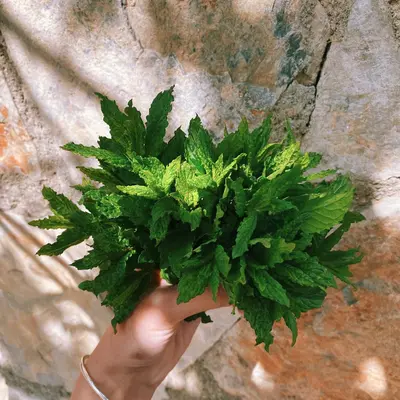
Mizuna is a delicate Japanese mustard green with feathery, finely dissected fronds that create an elegant, frilly appearance. It matures quickly in just 18 days, making it ideal for fast-growing spring and fall crops. Unlike heavier lettuce varieties, mizuna's defining characteristic is its mild, slightly peppery bite paired with a tender, refined texture. The wispy leaves add visual interest and sophisticated flavor complexity to salads, stir-fries, and Asian dishes. Its heirloom status reflects generations of cultivation for its unique aesthetic and palate appeal.
Harvest
18d
Days to harvest
Sun
Full sun to part shade
Zones
5–9
USDA hardiness
Height
3 feet
Planting Timeline
Showing dates for Mizuna in USDA Zone 7
All Zone 7 lettuce →Zone Map
Click a state to update dates
Mizuna · Zones 5–9
Growing Details
Succession Planting
Mizuna hits harvest in about 18 days and bolts fast once daytime highs push past 80°F, so succession planting is the only way to keep a steady supply. Direct sow every 14 days starting March 1 in zone 7; plan your last spring sowing around late April before the heat shuts things down. Pick back up in late August through October for a fall run — the plants are slower to bolt in cooling weather, and you can often stretch harvest into November with minimal effort.
Complete Growing Guide
Traditional brassica green of Japanese origin prized for its quick growth, productivity, mild flavor, and recognizable, serrated leaf shape. According to Johnny's Selected Seeds, Mizuna is 18 baby; 40 full size to maturity, annual, open pollinated. Notable features: Organic Seeds, Plants, and Supplies, Cold Tolerant, Hydroponic Performer.
Light: Full sun (6 or more hours of direct sunlight a day), Partial Shade (Direct sunlight only part of the day, 2-6 hours). Soil: Clay, Loam (Silt), Sand. Soil pH: Acid (<6.0), Neutral (6.0-8.0). Drainage: Good Drainage, Moist. Height: 0 ft. 10 in. - 2 ft. 0 in. Spread: 1 ft. 0 in. - 2 ft. 0 in. Spacing: 12 inches-3 feet. Growth rate: Medium. Maintenance: Medium. Propagation: Seed, Stem Cutting. Regions: Coastal, Mountains, Piedmont.
Harvesting
Mizuna reaches harvest at 18 baby; 40 full size from sowing per Johnny's Selected Seeds. As an annual, harvest continues until frost ends the season.
The fruits dry and split when ripe.
Color: Brown/Copper, Green. Type: Siliqua. Length: > 3 inches.
Garden value: Edible
Harvest time: Fall, Summer
Bloom time: Spring, Summer
Edibility: The foliage is edible raw or cooked but when cooked can emit an unpleasant odor.
Storage & Preservation
Harvest mizuna at 18 days when leaves are tender and before bolting. Store freshly cut greens in a perforated plastic bag in the refrigerator's crisper drawer at 32–40°F with 90–95% humidity; they'll keep for 5–7 days. For longer preservation, blanch briefly (2–3 minutes) and freeze in airtight containers or freezer bags for up to three months. Mizuna's delicate, slightly peppery leaves don't freeze as crisply as heartier brassicas, so use thawed portions in soups, stir-fries, or smoothies rather than fresh applications. Fermentation works well too—pack trimmed leaves with salt (2–3%) in a jar and let sit at room temperature for 1–2 weeks for a tangy condiment. Mizuna's thin, feathery foliage makes it prone to moisture loss, so avoid storing near ethylene-producing fruits like apples or tomatoes, which accelerate wilting.
History & Origin
Mizuna is open-pollinated, meaning seed saved from healthy plants will produce true-to-type offspring. Listed in the Johnny's Selected Seeds catalog.
Brassica is a genus of plants in the cabbage and mustard family (Brassicaceae). The members of the genus are informally known as cruciferous vegetables, cabbages, mustard plants, or simply brassicas. Crops from this genus are sometimes called cole crops—derived from the Latin caulis, denoting the stem or stalk of a plant.
Advantages
- +Extremely fast maturity at just 18 days from planting to harvest
- +Distinctive feathery, serrated leaves add visual appeal and texture to salads
- +Mild, slightly peppery flavor complements diverse cuisines and palates
- +Highly productive plant yields multiple harvests through repeated cutting
Considerations
- -Bolts quickly in hot weather, reducing leaf quality and edibility
- -Requires consistent moisture; drought stress causes bitter, tough leaves
- -Susceptible to flea beetles and other brassica-specific pests without protection
- -Prefers cool seasons, limiting production during summer months in warm climates
Companion Plants
Radishes are the most useful companion here — direct sow a handful every couple of weeks alongside your mizuna and they'll draw flea beetles onto themselves. Chives and dill both suppress aphid pressure reasonably well, and dill pulls in parasitic wasps that work the whole bed. French marigolds are worth planting along the perimeter too; NC State Extension notes they help knock back soil nematode populations over time when planted densely. Skip the broccoli and other heading brassicas as neighbors — around here in the southeast, both crops are already racing a short cool window, and stacking them in the same 6 inches of bed compresses moisture and nutrients enough that neither does well.
Plant Together
Radishes
Break up soil for shallow mizuna roots and deter flea beetles
Carrots
Different root depths avoid competition and carrots repel some pests
Chives
Repel aphids and other soft-bodied insects that damage mizuna leaves
Marigolds
Deter flea beetles, aphids, and other pests that commonly attack brassicas
Spinach
Similar growing conditions and harvest times, efficient space usage
Nasturtiums
Act as trap crop for flea beetles and aphids, protecting mizuna
Lettuce
Compatible growing requirements and can be interplanted for succession harvests
Dill
Attracts beneficial insects that prey on pests affecting brassicas
Keep Apart
Broccoli
Competes for same nutrients and attracts similar pests like cabbage worms
Strawberries
May inhibit growth of brassicas through root competition
Tomatoes
Different water and nutrient needs, tomatoes may shade out mizuna
Nutrition Facts
Per 100g serving. % Daily Value based on 2,000 calorie diet. Source: USDA FoodData Central (FDC #2346388)
Pests & Disease Resistance
Common Pests
Cabbage moths, flea beetles, slugs, aphids
Diseases
Downy mildew, clubroot, white rust
Troubleshooting Mizuna
What you'll see, why it happens, and what to do about it.
Seedlings collapsing at soil level within the first 7–10 days after direct sow, sometimes with fuzzy white mold on the soil surface nearby
Likely Causes
- Damping off — typically Pythium or Rhizoctonia spp. — a soil-borne fungal complex that thrives in wet, poorly drained beds
- Replanting in the same bed where brassicas or lettuce have grown for 2–3 consecutive seasons, building up pathogen load
What to Do
- 1.Water in the morning only — letting the soil surface dry before nightfall cuts fungal activity significantly
- 2.If brassicas have occupied that bed the past few years, move mizuna to a fresh spot and rest the old bed for a full season
- 3.Thin seedlings to 4–6 inches so air moves between plants; crowded seedlings stay wet longer and go down faster
Small, ragged holes punched through leaves starting at the seedling stage, worst on the youngest growth
Likely Causes
- Flea beetles (Phyllotreta spp.) — tiny, jumping, black or bronze beetles that feed heavily on brassica seedlings
- Cabbage moth larvae (Mamestra brassicae) — larger irregular chewing damage, usually with dark frass on or near the leaf
What to Do
- 1.Cover beds with row cover immediately after sowing — mizuna germinates in 7–10 days and flea beetles can shred a stand before it gets going
- 2.For cabbage moth caterpillars, hand-pick in the evening when they're active, or apply Bt (Bacillus thuringiensis) at first sign of larval feeding
- 3.Plant nasturtiums along the bed border — they won't eliminate flea beetle pressure, but they pull some of it off the greens
Frequently Asked Questions
How long does Mizuna take to grow?▼
Is Mizuna good for beginners?▼
Can you grow Mizuna in containers?▼
What does Mizuna taste like?▼
When should I plant Mizuna?▼
Is Mizuna a brassica or lettuce?▼
Zone-by-Zone Planting Calendar
| Zone | Indoor Start | Transplant | Direct Sow | Harvest |
|---|---|---|---|---|
| Zone 1 | — | — | June – July | June – September |
| Zone 2 | — | — | May – July | June – September |
| Zone 11 | — | — | January – February | January – December |
| Zone 12 | — | — | January – February | January – December |
| Zone 13 | — | — | January – February | January – December |
| Zone 3 | — | — | May – June | May – October |
| Zone 4 | — | — | April – June | May – October |
| Zone 5 | — | — | April – May | May – November |
| Zone 6 | — | — | April – May | April – November |
| Zone 7 | — | — | March – May | April – November |
| Zone 8 | — | — | March – April | March – December |
| Zone 9 | — | — | February – March | February – December |
| Zone 10 | — | — | January – March | February – December |
Growing Guides from Wind River Greens
Sources & References
External authority sources used in compiling this guide.
- BreederJohnny's Selected Seeds
- USDAUSDA FoodData Central
See the Methodology page for how this data is sourced, what's AI-assisted, and known limitations.