Roman Chamomile
Chamaemelum nobile
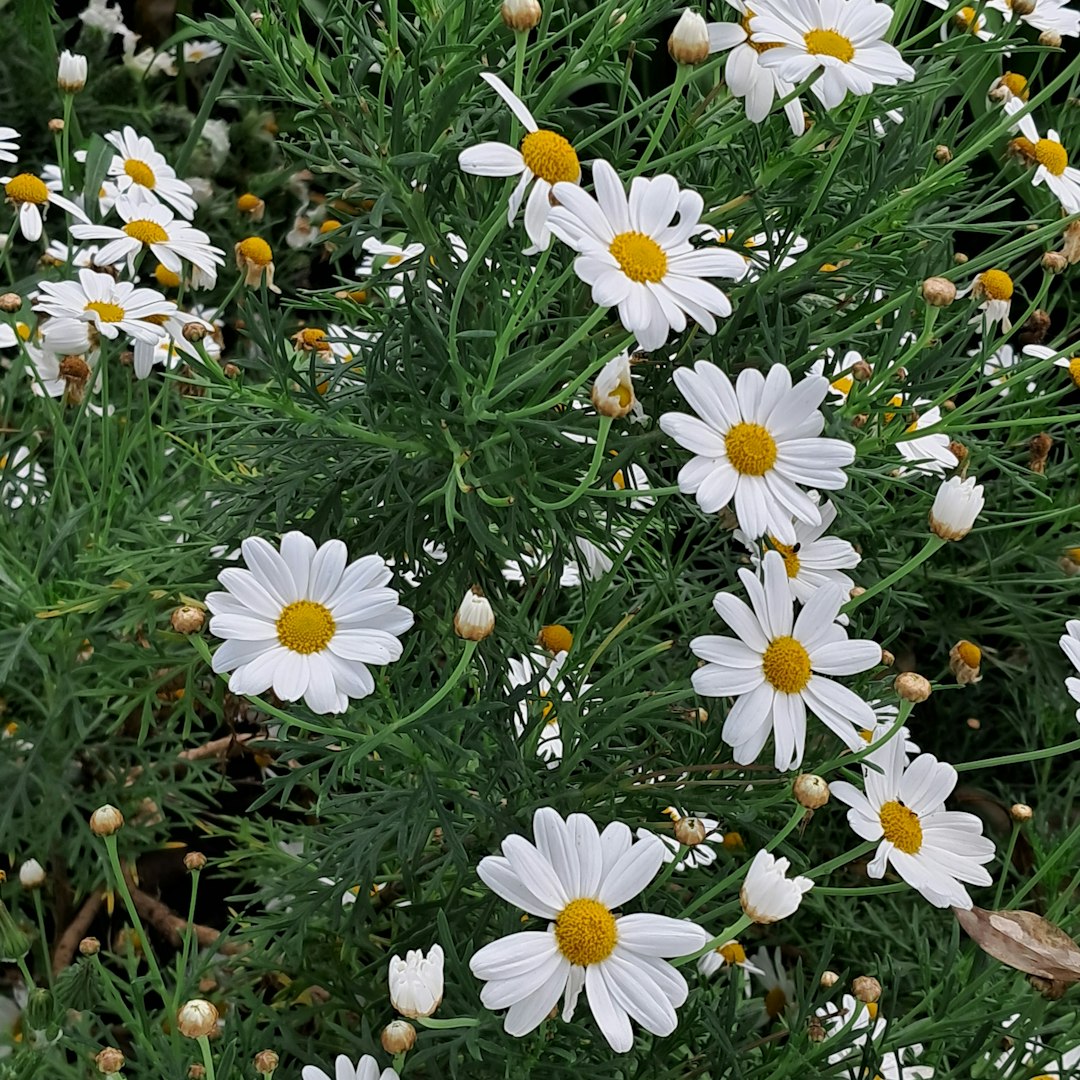
Low-growing, spreading plant with creeping rhizomes. Has similar uses for teas and medicine as annual chamomile varieties, but produces fewer blossoms.
Harvest
60-65d
Days to harvest
Sun
Full sun to partial shade
Zones
4–9
USDA hardiness
Height
12-24 inches
Planting Timeline
Showing dates for Roman Chamomile in USDA Zone 7
All Zone 7 herb →Zone Map
Click a state to update dates
Roman Chamomile · Zones 4–9
Growing Details
Complete Growing Guide
Low-growing, spreading plant with creeping rhizomes. Has similar uses for teas and medicine as annual chamomile varieties, but produces fewer blossoms. According to Johnny's Selected Seeds, Roman Chamomile is 60 - 65 days to maturity, perennial, open pollinated.
Light: Full sun (6 or more hours of direct sunlight a day), Partial Shade (Direct sunlight only part of the day, 2-6 hours). Soil: Loam (Silt), Sand. Soil pH: Acid (<6.0), Alkaline (>8.0), Neutral (6.0-8.0). Drainage: Good Drainage, Moist, Occasionally Dry. Height: 1 ft. 0 in. - 2 ft. 0 in.. Spread: 0 ft. 2 in. - 0 ft. 4 in.. Spacing: Less than 12 inches. Growth rate: Rapid. Maintenance: Low. Propagation: Division, Seed. Regions: Coastal, Mountains, Piedmont.
Harvesting
Roman Chamomile reaches harvest at 60 - 65 days from sowing per Johnny's Selected Seeds.
Color: Brown/Copper. Type: Achene. Length: < 1 inch. Width: < 1 inch.
Edibility: Use dried flowers for tea. Drink no more than one cup of tea per day, as it contains thujone, a substance that can be toxic in high doses. Do not use if pregnant.
Storage & Preservation
Store freshly harvested Roman chamomile flowers in a breathable container—paper bags or cloth work best—at 45–55°F with moderate humidity to prevent mold. Used whole within 3–5 days fresh. For longer preservation, drying is ideal: spread blooms on screens in a warm, well-ventilated space (70–75°F) for 5–7 days until papery, then seal in airtight jars away from light. Dried flowers retain quality for 12–18 months. Freezing is less suitable as the delicate petals lose structure, though you can freeze them in ice cubes for tea. Avoid fermentation. Roman chamomile's compact growth habit and prolific flowering means you can harvest repeatedly throughout the season, allowing staggered drying batches. This extends your supply without overwhelming your preservation capacity at once.
History & Origin
Roman Chamomile is open-pollinated, meaning seed saved from healthy plants will produce true-to-type offspring. Listed in the Johnny's Selected Seeds catalog.
Origin: Europe, India and Western Asia
Advantages
- +Perennial plant returns yearly without replanting effort
- +Spreading growth naturally fills garden spaces and suppresses weeds
- +Medicinal tea quality rivals annual chamomile varieties
- +Easy cultivation requires minimal care and expertise
Considerations
- -Produces significantly fewer blossoms than annual chamomile types
- -Creeping rhizomes may spread aggressively in moist conditions
- -Lower flower yield reduces tea and medicine production
Companion Plants
Chamomile does real work near brassicas like cabbage and broccoli. NC State Extension's IPM guidance on interplanting makes the case: spreading aromatic plants through a bed dilutes the scent signals that cabbage-family pests use to locate their hosts. Rather than planting chamomile in its own block, tuck it every 2–3 feet through a brassica row and you slow pest spread before it becomes a problem. Onions and carrots nearby add to that mix — diverse plantings interrupt pest movement in ways that single-species rows don't.
Mint is the main plant to keep separated. It spreads by underground runners and will physically crowd out chamomile within a season or two — not through chemical means, just relentless competition for space and root territory. Black walnut is a harder no: the tree produces juglone, a compound that accumulates in the soil and is toxic to a wide range of plants. The affected zone typically extends well beyond the canopy edge, so if there's a black walnut on your property, site chamomile on the opposite side of the garden.
Plant Together
Cabbage
Chamomile improves flavor and growth while repelling cabbage moths and aphids
Onions
Both plants repel pests mutually and chamomile enhances onion growth
Cucumber
Chamomile deters cucumber beetles and improves cucumber health and flavor
Roses
Chamomile repels aphids and black spot, improves rose health and fragrance
Tomatoes
Chamomile repels hornworms and aphids while potentially improving tomato flavor
Broccoli
Chamomile attracts beneficial insects and deters cabbage worms and aphids
Carrots
Chamomile improves soil health and may enhance carrot growth and flavor
Strawberries
Chamomile repels harmful insects and may improve strawberry flavor and yield
Keep Apart
Mint
Both are aggressive spreaders that compete for space and resources
Black Walnut
Juglone toxin from walnut trees inhibits chamomile growth and development
Nutrition Facts
Per 100g serving. % Daily Value based on 2,000 calorie diet. Source: USDA FoodData Central (FDC #172232)
Pests & Disease Resistance
Common Pests
Aphids, spider mites, sawfly larvae (generally pest-resistant)
Diseases
Root rot in waterlogged soil, powdery mildew in high humidity (generally disease-resistant)
Troubleshooting Roman Chamomile
What you'll see, why it happens, and what to do about it.
Roots blackened or mushy, plant wilting despite moist soil
Likely Causes
- Root rot from waterlogged conditions — chamomile has almost no tolerance for standing water
- Poorly draining clay soil or a low spot in the bed
What to Do
- 1.Dig the plant, trim rotted roots back to healthy tissue, and replant in a raised bed or amended soil with added perlite or coarse grit
- 2.Stop watering until the top 2 inches of soil are dry — established plants handle drought fine
- 3.If the spot stays wet after rain, relocate; this plant won't adapt to it
White powdery coating on leaves and stems, usually appearing in late summer
Likely Causes
- Powdery mildew — a fungal issue that spikes when humidity is high and air circulation is poor
- Plants spaced too close together (under 12 inches) or crowded by neighboring plants
What to Do
- 1.Thin or cut back surrounding plants to open up airflow around the chamomile
- 2.Clip off heavily coated stems and discard them — don't compost them
- 3.NC State Extension notes that outdoor herbs with good air circulation and drainage rarely develop severe disease; fixing the conditions matters more than reaching for a spray bottle
Clusters of small soft-bodied insects on new growth or flower buds, stems sometimes sticky
Likely Causes
- Aphids — usually green or black, congregating on tender new growth
- Sawfly larvae feeding on foliage (look for small caterpillar-like larvae, not winged adults)
What to Do
- 1.NC State Extension recommends insecticidal soap for severe aphid outbreaks on herbs — spray directly on the insects, repeat every 5–7 days
- 2.Hand-pick sawfly larvae off the stems; populations are usually small enough to manage this way
- 3.Natural predators like lady beetles and parasitic wasps typically keep aphid numbers low on herbs grown outdoors with good sun and airflow — give them a chance before intervening
Frequently Asked Questions
Is Roman chamomile a perennial or annual?▼
How much does Roman chamomile flower compared to German chamomile?▼
Can you grow Roman chamomile in containers or pots?▼
What does Roman chamomile taste like?▼
When should I plant Roman chamomile seeds?▼
Is Roman chamomile easy to grow for beginners?▼
Zone-by-Zone Planting Calendar
| Zone | Indoor Start | Transplant | Direct Sow | Harvest |
|---|---|---|---|---|
| Zone 3 | April – May | June – July | — | July – October |
| Zone 4 | March – April | June – July | — | July – October |
| Zone 5 | March – April | May – June | — | June – October |
| Zone 6 | March – April | May – June | — | June – November |
| Zone 7 | February – March | April – June | — | June – November |
| Zone 8 | February – March | April – May | — | May – December |
| Zone 9 | January – February | March – April | — | April – December |
| Zone 10 | January – January | February – April | — | April – December |
Growing Guides from Wind River Greens
Sources & References
External authority sources used in compiling this guide.
- BreederJohnny's Selected Seeds
- USDAUSDA FoodData Central
See the Methodology page for how this data is sourced, what's AI-assisted, and known limitations.