Pilea Peperomioides
Pilea peperomioides
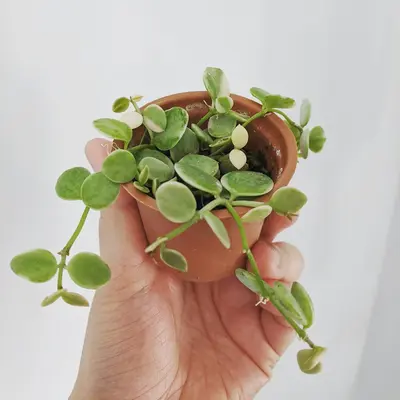
Affectionately called the Chinese Money Plant or Pancake Plant, this charming specimen produces perfectly round, coin-shaped leaves on delicate stems. It's beloved not just for its unique appearance and easy care, but for its generous nature of producing baby plants that can be shared with friends, earning it the nickname 'Pass-Along Plant.'
Sun
Partial shade
Zones
9–11
USDA hardiness
Height
8-12 inches
Complete Growing Guide
Pilea peperomioides is one of the most rewarding houseplants you can grow, but its quirks deserve attention. Start by choosing a pot only 1-2 inches wider than the root ball, with generous drainage holes. Pilea hates wet feet, and an oversized pot holds excess moisture that quickly leads to root rot.
For soil, mix a quality peat-based potting mix with about 20-30% perlite or pumice to boost drainage. A handful of orchid bark also works well. Avoid heavy, moisture-retentive mixes designed for tropicals like ferns — Pilea evolved on rocky slopes in southwestern China and prefers a leaner, airier root environment.
Light is the single biggest factor in growing a beautiful Pilea. Place yours within 3-5 feet of a bright east or north-facing window, or set it back from a south/west window with sheer curtains. Direct midday sun scorches the leaves and bleaches them yellow, while too little light causes leggy stems and small leaves. Rotate the pot a quarter turn weekly — Pilea grows aggressively toward light and will lean dramatically if you don't.
Water only when the top 1-2 inches of soil feel dry. In most homes, this means every 7-10 days in summer and every 2-3 weeks in winter. Drooping leaves are your reliable signal — they perk up within hours of a thorough soak. Always water until it runs from the drainage holes, then dump the saucer.
Feed monthly during spring and summer with a balanced liquid houseplant fertilizer diluted to half strength. Skip feeding entirely from late October through February when growth naturally slows.
Pilea thrives in average household temperatures between 60-75°F and tolerates normal indoor humidity (40-50%). It does not require misting, and excess humidity can actually encourage fungal issues.
Common mistakes to avoid: overwatering is the number one killer — when in doubt, wait another day. Don't repot more than once every 1-2 years; Pilea actually flowers and pups more readily when slightly root-bound. And resist the urge to move it around the house. Pilea sulks when relocated, often dropping leaves for a week or two before adjusting.
To encourage abundant pups (the baby plants that emerge from the soil and along the stem), give your mother plant bright indirect light, consistent watering, and a slightly snug pot. Healthy mature Pileas can produce a dozen or more pups per year, perfect for sharing.
In USDA zones 10-11, Pilea can summer outdoors in deep shade, but bring it inside well before nighttime temperatures drop below 55°F.
Harvesting
While Pilea peperomioides isn't harvested for food, you'll regularly 'harvest' pups to propagate new plants and share with friends. The best time to remove pups is in spring or early summer when growth is most active. Wait until soil pups stand at least 2-3 inches tall with several established leaves — this signals they have their own root system.
Gently pull back the top layer of soil to expose the underground stem connecting the pup to the mother. Using a clean, sharp knife or sharp scissors, sever the connection about an inch below the soil line, capturing as many roots as possible. Pups growing from the main stem can be cut flush with the trunk; these need to root in water for 2-3 weeks before potting.
Water the mother plant the day before to reduce stress, and harvest in the morning when the plant is fully turgid. Pot rooted pups immediately in small 2-3 inch containers with the same well-draining mix you use for adults.
Storage & Preservation
Freshly harvested Pilea pups should be potted up immediately rather than stored. If you must hold them briefly, wrap roots in a damp paper towel inside a plastic bag and keep at room temperature out of direct sun for no more than 2-3 days. Stem cuttings without roots can sit in a jar of clean water on a bright counter for several weeks while they develop roots — change the water every 5-7 days to prevent rot.
For sharing pups by mail, wrap roots in damp sphagnum moss, seal in a plastic bag, and pad the leaves with tissue inside a small box. Most pups ship successfully within 3-4 days. Avoid shipping in temperatures below 40°F or above 85°F, as leaves blacken quickly under thermal stress.
History & Origin
Pilea peperomioides has one of the most charming backstories in houseplant history. Native to the foothills of the Cang Mountains in Yunnan Province, southwestern China, it was first collected by Scottish botanist George Forrest in 1906 and again in 1910, though it remained largely unknown to Western horticulture. The plant's journey into European homes began in 1946, when Norwegian missionary Agnar Espegren brought cuttings home from Yunnan via India. He shared pups with friends and family across Scandinavia, who passed them along to others — and so the 'Pass-Along Plant' tradition was born.
For decades, Pilea circulated almost entirely through this informal Scandinavian network, while remaining absent from commercial nurseries. Botanists at Kew Gardens were so puzzled by the unidentified plant arriving in mailed letters during the 1980s that they appealed to the public for information. Pilea finally hit mainstream commercial production in the 2010s, riding the houseplant boom, and is now one of the most recognizable indoor plants worldwide.
Advantages
- +Produces abundant pups that root easily, making it endlessly shareable and essentially free to multiply
- +Distinctive coin-shaped leaves provide year-round visual interest unlike any other common houseplant
- +Tolerates average household humidity without misting or humidifiers
- +Compact mature size (8-12 inches) suits small apartments, shelves, and desks
- +Recovers visibly within hours when watered after wilting, making care forgiving for beginners
- +Non-toxic to cats, dogs, and humans according to ASPCA listings
Considerations
- -Extremely sensitive to overwatering — root rot can kill an established plant in under two weeks
- -Leans aggressively toward light and requires weekly rotation to maintain symmetrical shape
- -Often drops lower leaves when relocated or exposed to cold drafts
- -Direct sunlight bleaches and scorches leaves quickly, even through south-facing windows
- -White, curling, or cupped leaves signal stress and can take months to grow out
Companion Plants
The best neighbors for a Pilea peperomioides are tropical foliage plants that share its preferences: indirect light, moderate humidity, and a watering schedule that lets the soil partially dry between drinks. Pothos, Philodendron, and Spider Plant all fit that profile. Grouping them raises ambient humidity a few points — useful when heating or AC is pulling moisture out of the air. Snake Plant and ZZ Plant run drier than Pilea likes, but they're tolerant enough that a slightly wetter cadence won't hurt them.
The mismatches are about care requirements, not chemistry. Cactus needs 6+ hours of direct sun and can go weeks without water — conditions that'll curl and brown Pilea's coin-shaped leaves fast. Fiddle Leaf Fig throws a fit when airflow or humidity shifts, which conflicts with the steady, middling environment Pilea actually settles into. Orchids are awkward for a different reason: their bark-media wet-dry cycle doesn't sync with anything grown in standard potting mix, so you'll end up neglecting one or drowning the other.
Plant Together
Pothos
Similar humidity and light requirements, helps increase ambient moisture
Snake Plant
Compatible watering schedule and improves air quality together
ZZ Plant
Similar low-maintenance care needs and drought tolerance
Rubber Tree
Creates microclimate with increased humidity beneficial for both plants
Philodendron
Matching bright, indirect light preferences and similar watering needs
Peace Lily
Both prefer consistently moist soil and filtered light conditions
Spider Plant
Compatible care requirements and both benefit from regular misting
Monstera
Similar humidity preferences and creates beneficial microenvironment
Keep Apart
Fiddle Leaf Fig
Requires much brighter light and different watering schedule, may overshadow smaller Pilea
Cactus
Opposite watering needs - cactus prefers dry conditions while Pilea needs consistent moisture
Orchid
Requires specialized bark growing medium and different humidity levels than soil-based Pilea
Pests & Disease Resistance
Resistance
Very hardy with few disease issues
Common Pests
Aphids, mealybugs, fungus gnats
Diseases
Root rot from overwatering, leaf drop from stress
Troubleshooting Pilea Peperomioides
What you'll see, why it happens, and what to do about it.
Soil stays wet for more than 7-10 days, lower leaves yellowing and stems going soft at the base
Likely Causes
- Root rot (Pythium or Phytophthora spp.) from overwatering or a pot with no drainage hole
- Heavy, compacted soil mix that holds water instead of draining — standard potting mix without perlite is a common culprit
What to Do
- 1.Unpot the plant and check the roots — brown, mushy roots need to be trimmed back to healthy white tissue with clean scissors
- 2.Repot into fresh, well-draining mix (50% potting soil, 50% perlite works well) in a pot with a drainage hole
- 3.Water only when the top inch of soil is dry, and don't let the pot sit in a saucer of standing water
White cottony clusters in leaf axils or along stems, leaves look sticky or dull
Likely Causes
- Mealybugs (Pseudococcidae family) — common on indoor plants, spread easily from new plants brought in without quarantine
- Aphids clustering on new growth, particularly when the plant is actively pushing out pups and fresh leaves
What to Do
- 1.Dab individual mealybug clusters with a cotton swab soaked in 70% isopropyl alcohol — kills on contact
- 2.For larger infestations, spray the whole plant with insecticidal soap (diluted per label) and repeat every 5-7 days for 3 weeks
- 3.Quarantine any new houseplants for at least 2 weeks before putting them near your Pilea
Frequently Asked Questions
How fast does Pilea peperomioides grow?▼
Is Pilea peperomioides good for beginners?▼
Why are my Pilea leaves curling or cupping?▼
How do I propagate Pilea peperomioides pups?▼
Can Pilea peperomioides grow in low light?▼
Why is my Pilea dropping leaves?▼
Growing Guides from Wind River Greens
Sources & References
External authority sources used in compiling this guide.
- ExtensionNC State Extension
See the Methodology page for how this data is sourced, what's AI-assisted, and known limitations.