Dutchman's Breeches
Dicentra cucullaria
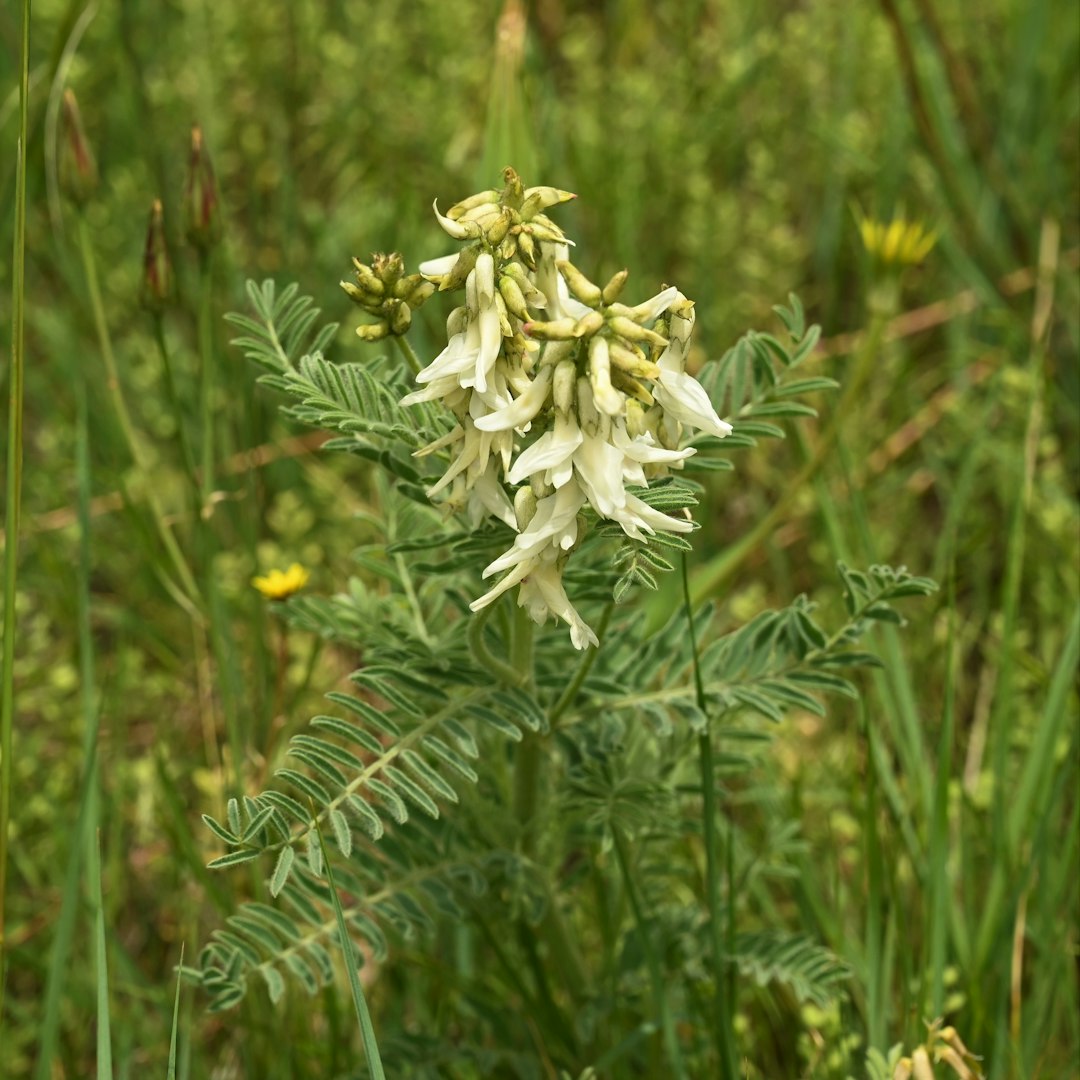
Dutchman's Breeches (Dicentra cucullaria) is a perennial native wildflower. Hardy in USDA zones 3 to 7. Prefers part sun.
Sun
Partial shade
Zones
3–7
USDA hardiness
Height
3-6 inches
Planting Timeline
Showing dates for Dutchman's Breeches in USDA Zone 7
All Zone 7 native-wildflower →Zone Map
Click a state to update dates
Dutchman's Breeches · Zones 3–7
Growing Details
Complete Growing Guide
Light: Dappled Sunlight (Shade through upper canopy all day), Partial Shade (Direct sunlight only part of the day, 2-6 hours). Soil: Clay, High Organic Matter, Loam (Silt). Soil pH: Acid (<6.0), Neutral (6.0-8.0). Drainage: Good Drainage, Moist. Height: 0 ft. 3 in. - 0 ft. 6 in.. Spread: 0 ft. 6 in. - 0 ft. 8 in.. Spacing: Less than 12 inches. Growth rate: Medium. Maintenance: Low. Propagation: Division, Root Cutting, Seed. Regions: Coastal, Mountains, Piedmont.
Harvesting
The oval seed capsules taper into points at both ends. These capsules split apart into 2 segments to release many seeds. Fruits appear from May to June.
Color: Brown/Copper. Type: Capsule.
Harvest time: Spring, Summer
Storage & Preservation
As an ornamental wildflower rather than a culinary or crop plant, Dutchman's Breeches doesn't require post-harvest storage in the traditional sense. However, seed preservation is important for gardeners who want to propagate the plant. After collecting dried seed pods in early summer, remove seeds and store them in a cool, dry place—a sealed envelope in the refrigerator works well. Seeds remain viable for 2-3 years when stored at 35-40°F with low humidity. For long-term storage, place seeds in an airtight container with a silica gel packet and store in a freezer. If you're preserving the plant itself for next season, ensure tubers remain undisturbed during winter dormancy in the soil, where they naturally experience cold stratification outdoors in zones 3-7. In warmer climates or if digging tubers, store dormant tubers in slightly moist peat moss or sand in a cool basement (50-60°F) over winter.
History & Origin
Origin: E. Canada to N. & E. U.S.A.
Advantages
- +Attracts: Bees, Butterflies, Small Mammals, Songbirds
- +Low maintenance
Considerations
- -Toxic (Flowers, Fruits, Roots, Sap/Juice, Seeds, Stems): Low severity
- -Causes contact dermatitis
Companion Plants
The spring ephemerals pair naturally because they share the same narrow window of light and moisture. Trout Lily, Bloodroot, and Virginia Bluebells all peak before the canopy closes, so they're divvying up the same few weeks of sun rather than fighting over it. Wild Ginger is the practical choice for gap coverage: its low, spreading leaves move in once Dutchman's Breeches goes dormant in late May, and in zone 7 Georgia it holds that ground well into October. Mint is a problem because it spreads at the root level and will physically displace the shallow corms within a season or two. Black Walnut is a hard no — juglone concentrations within 50 feet of the trunk are high enough to kill Dicentra cucullaria outright, and the damage shows up as sudden collapse with no obvious above-ground cause.
Plant Together
Trout Lily
Similar spring ephemeral lifecycle and shade tolerance, creates natural woodland carpet
Wild Ginger
Provides ground cover after Dutchman's Breeches dies back, similar soil and moisture needs
Bloodroot
Complementary spring blooming schedule and shared preference for rich, moist woodland soil
Virginia Bluebells
Sequential blooming extends spring color, both prefer partial shade and moist conditions
Mayapple
Emerges later to fill space as Dutchman's Breeches goes dormant, similar habitat requirements
Wild Leek
Natural pest deterrent properties and compatible spring growth cycle
Ferns
Provide summer foliage after spring ephemerals die back, prefer same shaded woodland conditions
Jack-in-the-Pulpit
Thrives in same rich, moist woodland soil and provides structure after companions go dormant
Keep Apart
Mint
Aggressive spreading nature can overwhelm delicate spring ephemeral roots and bulbs
Black Walnut
Produces juglone which is toxic to many woodland wildflowers including Dutchman's Breeches
Pachysandra
Dense mat-forming growth prevents natural seed dispersal and competes aggressively for nutrients
Troubleshooting Dutchman's Breeches
What you'll see, why it happens, and what to do about it.
Plant emerges in early spring, then foliage yellows and collapses entirely by late May or June
Likely Causes
- Normal summer dormancy — Dutchman's Breeches is a spring ephemeral that dies back completely after seed set, regardless of conditions
- Premature dormancy triggered by dry soil or temperatures climbing above 75°F
What to Do
- 1.Don't pull it — mark the planting with a small stake so you don't accidentally dig up the corms in summer
- 2.Interplant with ferns or Wild Ginger, which fill the gap once the Dicentra disappears
- 3.If dormancy hits before mid-May, check soil moisture; a 2-inch layer of leaf mulch helps hold moisture longer into spring
No emergence in spring after fall planting or cold stratification
Likely Causes
- Insufficient cold stratification — corms or seeds need at least 60–90 days below 40°F to break dormancy
- Corms planted too shallow (less than 2 inches deep) and desiccated over winter
- Deer or voles consumed the corms before spring
What to Do
- 1.For seeds, refrigerate in moist sand for 90 days before sowing; surface-sow in fall outdoors and let the season do the work naturally
- 2.Plant corms 2–3 inches deep and cover with 2–3 inches of leaf litter mulch to insulate and retain moisture
- 3.Check for tunneling near the planting site; if voles are active, line the bed with ¼-inch hardware cloth before replanting
Leaves show pale, stippled or silvery streaking across the surface during the growing season
Likely Causes
- Aphid feeding — Dicentra species attract specific aphid populations, particularly Myzus dicentrae
- Thrips damage in dry springs
What to Do
- 1.Knock aphids off with a firm stream of water; because the plant goes dormant within weeks anyway, heavy intervention rarely pays off
- 2.If infestation is dense, apply insecticidal soap directly to affected foliage — one or two applications is usually enough for a plant with this short an above-ground season
- 3.Improve air circulation by thinning surrounding leaf litter in early March before shoots emerge
Corms are soft, discolored brown or black, and smell faintly rotten at planting or when dividing clumps
Likely Causes
- Fusarium rot or Pythium root rot from waterlogged or poorly draining soil
- Mechanical damage during division that let pathogens enter the wound
- Corms stored in an airtight container without adequate airflow between harvest and replanting
What to Do
- 1.Plant only in well-draining soil amended with compost and coarse leaf mold — Dutchman's Breeches won't tolerate standing water, and heavy clay needs serious breaking up before you put a corm in it
- 2.Discard any soft corms; bag and trash them, don't compost them
- 3.When dividing, dust cut surfaces with powdered sulfur and let them air-dry for a few hours before replanting
Frequently Asked Questions
How long does Dutchman's Breeches take to bloom from seed?▼
Can you grow Dutchman's Breeches in containers?▼
Why is my Dutchman's Breeches dying back in June?▼
Is Dutchman's Breeches good for beginners?▼
What's the difference between Dutchman's Breeches and Bleeding Heart?▼
Do I need to divide Dutchman's Breeches plants?▼
Zone-by-Zone Planting Calendar
Growing Guides from Wind River Greens
Sources & References
External authority sources used in compiling this guide.
- ExtensionNC State Extension
See the Methodology page for how this data is sourced, what's AI-assisted, and known limitations.