Japanese Sedge
Carex morrowii 'Ice Dance'
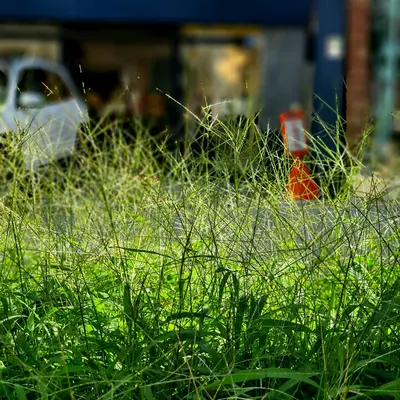
An elegant evergreen sedge with distinctive cream-edged leaves that brightens shady areas year-round. This low-maintenance groundcover forms neat clumps and tolerates both wet and dry conditions, making it incredibly versatile for problem areas.
Sun
Full sun to partial shade
Zones
5–9
USDA hardiness
Height
12-18 inches
Planting Timeline
Showing dates for Japanese Sedge in USDA Zone 7
All Zone 7 grass →Zone Map
Click a state to update dates
Japanese Sedge · Zones 5–9
Growing Details
Complete Growing Guide
Light: Dappled Sunlight (Shade through upper canopy all day), Deep shade (Less than 2 hours to no direct sunlight), Full sun (6 or more hours of direct sunlight a day), Partial Shade (Direct sunlight only part of the day, 2-6 hours). Soil: High Organic Matter, Loam (Silt). Soil pH: Acid (<6.0). Drainage: Moist. Height: 1 ft. 0 in. - 1 ft. 6 in.. Spread: 1 ft. 0 in. - 1 ft. 6 in.. Growth rate: Slow. Maintenance: Low. Propagation: Division, Seed.
Harvesting
Japanese Sedge is primarily harvested for foliage rather than traditional yield, with peak readiness indicated when new cream-colored leaf margins emerge crisp and vibrant against the green centers, typically in spring and early summer. The leaves signal optimal harvest condition when they feel firm and fully unfurled, reaching their characteristic 12-18 inch mature height. This cultivar supports continuous harvesting throughout the growing season, allowing you to selectively remove outer stems for arrangements or propagation without depleting the plant. For best results, harvest in early morning when foliage is hydrated and the contrast between cream edges and green centers is most pronounced, cutting stems just above the soil line to encourage fuller clump development.
Bloom time: Spring
Storage & Preservation
Japanese Sedge is an ornamental grass that doesn't require traditional storage or preservation as it's planted in gardens for year-round foliage display. However, harvested foliage can be kept fresh in a vase with water at room temperature (65-70°F) for 1-2 weeks. For dried arrangements, hang bundles upside down in a cool, well-ventilated area away from direct sunlight for 2-3 weeks. Press individual leaves between newspaper under books for flat preservation in herbals or crafts. Alternatively, silica gel drying preserves color and form within 1-2 weeks for decorative purposes.
History & Origin
Origin: Central & S. Japan
Advantages
- +Attracts: Small Mammals, Songbirds
- +Low maintenance
Companion Plants
The shade-tolerant companions in our database — Hosta, Astilbe, Heuchera, and the various ferns — work alongside 'Ice Dance' because they all want the same conditions: partial shade, consistent moisture, soil pH around 6.0–6.5, and no competition from aggressive roots. At 12-15 inch spacing, each plant holds its own without one smothering another. Caladium and Impatiens fill the gaps well in summer, since 'Ice Dance' stays low at 12-18 inches and doesn't steal light. In the shaded north-facing beds and deck overhangs that give most Georgia gardeners fits, this whole combination just quietly does its job.
Black walnut is a genuine problem — it produces juglone from its root system, and that compound accumulates in the soil directly under and around the tree, stunting sedges and many other perennials. Eucalyptus has similar allelopathic compounds and pulls water hard from surrounding soil. Mint is a different kind of trouble: it spreads by underground stolons and can physically displace a sedge clump inside a single growing season, no chemicals involved — just relentless lateral movement.
Plant Together
Hosta
Similar shade and moisture requirements, creates layered texture in woodland gardens
Astilbe
Thrives in same moist, partially shaded conditions and provides colorful contrast
Heuchera
Compatible growing conditions and complementary foliage colors enhance garden design
Ferns
Share preference for moist, shaded areas and create natural woodland plant community
Japanese Painted Fern
Similar cultural needs and silvery foliage provides beautiful contrast to sedge texture
Caladium
Both prefer partial shade and consistent moisture, colorful leaves complement grass texture
Impatiens
Shade-loving annual that thrives in same moist conditions, adds seasonal color
Begonia
Compatible moisture and light requirements, provides flowering interest among grass foliage
Keep Apart
Black Walnut
Produces juglone toxin that inhibits growth of many plants including ornamental grasses
Eucalyptus
Allelopathic compounds in leaves and roots suppress growth of nearby plants
Mint
Aggressive spreading habit can overwhelm and crowd out sedge plantings
Pests & Disease Resistance
Resistance
Good disease resistance
Common Pests
Slugs and snails in wet conditions
Diseases
Crown rot in poorly drained soils
Troubleshooting Japanese Sedge
What you'll see, why it happens, and what to do about it.
Irregular holes chewed in leaf blades, mostly on outer edges, most visible after a stretch of wet weather
Likely Causes
- Slug (Deroceras reticulatum or similar) feeding — they shelter under the dense clump during the day and feed at night
- Snail activity in beds with heavy mulch or leaf litter close to the crown
What to Do
- 1.Set out iron phosphate bait (Sluggo or equivalent) around the base of the clump — safe around pets and won't harm the plant
- 2.Pull mulch back 2-3 inches from the crown to remove the daytime hiding spot
- 3.If damage is severe, divide the clump in early spring and thin the center so air moves through it
Center of the clump turning brown and mushy, with a sour smell at the crown — often after a wet winter or extended standing water
Likely Causes
- Crown rot, typically Phytophthora or Pythium spp., triggered by waterlogged soil rather than cold
- Poor drainage in heavy clay — Georgia red clay beds that weren't amended before planting are a common setup for this
What to Do
- 1.Dig the plant, cut away all soft and discolored crown tissue with a clean knife, and let the divisions air-dry for an hour before replanting
- 2.Replant in a raised bed or a spot with at least 6 inches of amended soil (compost mixed in) so water doesn't pool at the crown
- 3.If the same spot keeps rotting plants, install a French drain or just relocate — Carex morrowii won't outrun a drainage problem
Leaf tips browning and going straw-colored across the whole clump, not just the outer older blades
Likely Causes
- Excessive direct afternoon sun — 'Ice Dance' tolerates full sun in cooler zones but scorches in hot, exposed spots south of zone 6
- Drought stress during summer heat, especially in sandy or fast-draining soils
What to Do
- 1.Relocate or add shade cloth — afternoon shade starting around 1 PM makes a measurable difference; morning sun is fine
- 2.Shear the clump down to 3-4 inches with hedge shears in late winter or early spring to remove burned foliage and let fresh blades come in clean
- 3.Water deeply once a week during dry spells rather than shallow daily watering — you want moisture 4-6 inches down, not just a damp surface
Frequently Asked Questions
Is Japanese Sedge a good choice for beginners?▼
Can you grow Japanese Sedge in containers?▼
How long does Japanese Sedge take to establish?▼
What light conditions does Japanese Sedge prefer?▼
Is Japanese Sedge suitable for wet areas?▼
Zone-by-Zone Planting Calendar
Growing Guides from Wind River Greens
Sources & References
External authority sources used in compiling this guide.
- ExtensionNC State Extension
See the Methodology page for how this data is sourced, what's AI-assisted, and known limitations.