Thomas Laxton
Pisum sativum 'Thomas Laxton'
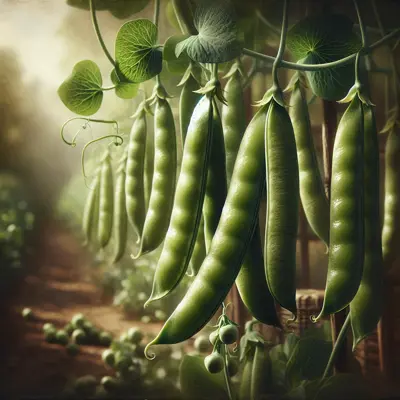
A prized English heirloom from 1900 renowned for producing some of the sweetest, most tender peas available to home gardeners. This early-season variety beats many modern peas to harvest while delivering superior flavor that's particularly sweet when picked young. Thomas Laxton has remained popular for over 120 years because it consistently produces restaurant-quality peas that make every gardener feel like a gourmet.
Harvest
55-65d
Days to harvest
Sun
Full sun to partial shade
Zones
2–11
USDA hardiness
Height
12-18 inches
Planting Timeline
Showing dates for Thomas Laxton in USDA Zone 7
All Zone 7 pea →Zone Map
Click a state to update dates
Thomas Laxton · Zones 2–11
Growing Details
Succession Planting
Thomas Laxton is a cool-season crop that shuts down once daytime highs push consistently past 80°F, so staggered sowings give you a longer harvest window without much extra effort. Direct sow every 14 days starting as soon as soil is workable in late winter — roughly March 1 in zone 7 — through early April. Sowings after mid-April in most zones won't fill pods properly before heat stops the plants cold.
If your zone allows a fall planting (zones 6-8), count back 65 days from your first expected frost date and sow again in late August or early September. Keep soil consistently moist — 1 inch per week — during that late-summer germination window; dry soil will stretch the normal 8-12 day germination time and reduce stand uniformity.
Complete Growing Guide
Thomas Laxton peas thrive in cool weather, making them perfect for early spring planting. Start preparing your garden bed 4-5 weeks before your last frost date by working compost or well-aged manure into the soil to a depth of 8-10 inches. Peas are nitrogen-fixing, so avoid high-nitrogen fertilizers that promote leaf growth over pod production.
Direct sowing is strongly recommended over starting indoors, as peas dislike root disturbance. Plant seeds 1.5 inches deep and 2-3 inches apart in double rows spaced 6 inches apart. This variety requires substantial support—install 5-6 foot tall trellises or netting before planting, as Thomas Laxton vines are vigorous climbers. Soak seeds overnight in lukewarm water to improve germination, especially in cool soil conditions.
As an early-season variety, Thomas Laxton can handle light frosts but benefits from row cover protection during unexpected cold snaps. Water consistently but avoid overhead irrigation once plants begin flowering, as wet foliage encourages disease. Apply a balanced fertilizer (10-10-10) only if your soil test reveals deficiencies—over-fertilizing delays flowering.
The biggest mistake gardeners make is planting too late in spring. Thomas Laxton performs best when pods develop in temperatures below 70°F. In zones 7-9, consider fall planting 10-12 weeks before first frost for a second harvest. Train vines onto supports weekly using soft ties, as heavy pod loads can snap unsupported stems. Mulch around plants to maintain soil moisture and suppress weeds, but keep mulch 2 inches away from stems to prevent slug problems.
Harvesting
Thomas Laxton peas reach peak sweetness 55-65 days from planting when pods are bright green, plump, and filled but not bulging. The peas inside should feel round and firm through the pod wall—flat pods indicate underdeveloped peas, while yellowing pods mean you've waited too long. Harvest in early morning when sugar content is highest and pods are crisp from cool night temperatures.
Use the snap test: properly mature pods will make a crisp snapping sound when bent. Pick pods using two hands—hold the vine with one hand while gently pulling the pod with the other to avoid damaging the plant. Start harvesting from the bottom of the plant upward, as lower pods mature first. Thomas Laxton produces over 2-3 weeks, so check plants every other day during peak season. Regular picking encourages continued production, while leaving overmature pods signals the plant to stop flowering.
Storage & Preservation
Fresh Thomas Laxton peas lose sweetness rapidly after harvest—their sugars convert to starch within hours. For immediate use, store unwashed pods in perforated plastic bags in the refrigerator crisper drawer where they'll maintain quality for 3-4 days maximum.
For longer storage, shell peas immediately after harvest and blanch in boiling water for 90 seconds, then plunge into ice water. Drain thoroughly and freeze in portion-sized bags for up to 8 months. Thomas Laxton's tender texture makes it unsuitable for drying but excellent for pressure canning using tested recipes. The variety's exceptional sweetness also makes it ideal for pea soup—blanch and freeze whole pods if you prefer making fresh soup throughout winter rather than using shelled peas.
History & Origin
Thomas Laxton was developed in 1900 by the renowned English seedsman Thomas Laxton of Bedford, England, whose family firm operated one of Britain's most prestigious seed houses from the 1860s through the 1930s. This variety emerged during the golden age of English pea breeding, when Victorian and Edwardian gardeners demanded ever-sweeter varieties for their elaborate kitchen gardens.
Laxton created this cultivar by crossing early dwarf varieties with taller, more productive types, aiming to combine the best traits of both. The variety quickly gained favor in English cottage gardens and grand estates alike for its reliability and superior flavor. Thomas Laxton immigrated to American gardens in the early 1900s, where it became a staple among serious vegetable gardeners who appreciated its consistent performance and gourmet quality. The variety has remained virtually unchanged for over 120 years, a testament to Laxton's skilled breeding work and the pea's genetic stability.
Advantages
- +Exceptionally sweet flavor that surpasses most modern pea varieties
- +Reliable early harvest beats heat better than many heirloom peas
- +Heavy yields from vigorous vines produce multiple pickings over 2-3 weeks
- +Excellent cold tolerance allows very early spring planting
- +Pods hold quality longer on the vine than most wrinkled pea varieties
- +Strong climbing habit makes efficient use of vertical garden space
- +Consistent germination even in cool spring soil conditions
Considerations
- -Requires substantial 5-6 foot tall support structures that need annual setup
- -More susceptible to powdery mildew than modern disease-resistant varieties
- -Stops producing quickly once hot weather arrives in late spring
- -Seeds are more expensive than common commercial pea varieties
- -Vigorous growth can overwhelm smaller garden trellises if not properly supported
Companion Plants
Carrots and radishes are the most practical companions here. They occupy a different root zone than Thomas Laxton's shallow roots, so competition for water or nutrients stays minimal. Radishes do double duty as a quick trap crop for pea aphids (Acyrthosiphon pisum) — the aphids tend to find the radishes first, which at least concentrates the problem. Lettuce and spinach work well tucked in around the base of the vines: both stay low, both appreciate the partial shade that 12-18 inch pea plants cast during warm spells, and you'll have them harvested before the peas need that ground space anyway.
Onions and garlic belong elsewhere in the garden. Both suppress legume growth through allelopathic root exudates that appear to interfere with the nitrogen-fixing Rhizobium bacteria living on pea roots — essentially undermining one of the main reasons you're growing a legume in the first place. Gladiolus shares several fungal disease vectors with peas and brings no benefit, so it's just not a trade worth making in a small bed.
Plant Together
Carrots
Peas fix nitrogen in soil which carrots utilize, while carrots help break up soil for pea roots
Radishes
Help break up compacted soil for pea root development and mature quickly before peas need full space
Lettuce
Benefits from nitrogen fixed by peas and provides living mulch to retain soil moisture
Spinach
Grows well in the nitrogen-rich soil created by peas and has similar cool weather preferences
Chives
Natural pest deterrent that repels aphids and other insects harmful to peas
Mint
Deters ants and rodents that may damage pea plants and seeds
Marigolds
Repel aphids, thrips, and other pests while attracting beneficial insects
Nasturtiums
Act as trap crop for aphids and cucumber beetles while deterring squash bugs
Keep Apart
Onions
Can inhibit pea growth and nitrogen fixation through root exudates
Garlic
Allelopathic compounds can stunt pea growth and reduce pod production
Gladiolus
Competes heavily for nutrients and water, potentially stunting pea development
Nutrition Facts
Per 100g serving. % Daily Value based on 2,000 calorie diet. Source: USDA FoodData Central (FDC #170419)
Pests & Disease Resistance
Resistance
Moderate disease tolerance typical of heirloom varieties
Common Pests
Pea aphids, pea moth, leafminer, slugs in wet conditions
Diseases
Powdery mildew, fusarium wilt, bacterial blight, ascochyta blight
Troubleshooting Thomas Laxton
What you'll see, why it happens, and what to do about it.
White powdery coating on leaves and pods, usually showing up as plants approach 55-65 days and temperatures start climbing
Likely Causes
- Powdery mildew (Erysiphe pisi) — fungal, spreads by airborne spores, thrives in warm days with cool nights
- Crowded plantings at less than 2 inches apart that restrict airflow between vines
What to Do
- 1.Pick off and bag the worst-affected leaves; don't compost them
- 2.Give plants more room next planting — stick to the 2-4 inch spacing and don't skip the trellis
- 3.If you catch it early, a spray of diluted potassium bicarbonate (1 tablespoon per gallon) can slow spread
Plants wilting and yellowing from the base up, even with adequate water — sometimes just one side of the plant collapses first
Likely Causes
- Fusarium wilt (Fusarium oxysporum f. sp. pisi) — soil-borne fungus that clogs vascular tissue; more common in warm soils above 65°F
- Planting peas in a bed that grew legumes the previous season
What to Do
- 1.Pull and trash affected plants — there's no saving them once the vascular system is blocked
- 2.Rotate peas out of that bed for at least 3 seasons; Fusarium persists in soil
- 3.Keep soil pH at 6.0-7.0 and avoid overwatering — soggy conditions speed up infection
Frequently Asked Questions
How long does Thomas Laxton pea take to grow?▼
Can you grow Thomas Laxton peas in containers?▼
What does Thomas Laxton pea taste like?▼
When should I plant Thomas Laxton peas?▼
Is Thomas Laxton good for beginners?▼
Thomas Laxton vs Lincoln peas - what's the difference?▼
Zone-by-Zone Planting Calendar
| Zone | Indoor Start | Transplant | Direct Sow | Harvest |
|---|---|---|---|---|
| Zone 1 | — | — | June – July | August – September |
| Zone 2 | — | — | May – July | July – September |
| Zone 11 | — | — | January – February | February – December |
| Zone 12 | — | — | January – February | February – December |
| Zone 13 | — | — | January – February | February – December |
| Zone 3 | — | — | May – June | July – October |
| Zone 4 | — | — | April – June | June – October |
| Zone 5 | — | — | April – May | June – November |
| Zone 6 | — | — | April – May | June – November |
| Zone 7 | — | — | March – May | May – November |
| Zone 8 | — | — | March – April | May – December |
| Zone 9 | — | — | February – March | April – December |
| Zone 10 | — | — | January – March | March – December |
Growing Guides from Wind River Greens
Sources & References
External authority sources used in compiling this guide.
See the Methodology page for how this data is sourced, what's AI-assisted, and known limitations.