Chicago Hardy Fig
Ficus carica 'Chicago Hardy'
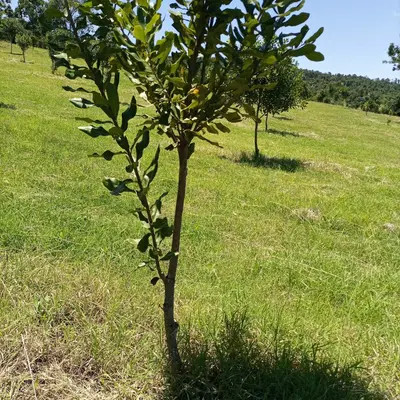
A remarkable cold-hardy fig variety that survives harsh winters by dying back to the ground and regenerating each spring, making fresh figs possible even in northern climates. This adaptable variety produces medium-sized, sweet purple-brown figs with rich, jammy flesh that's perfect for fresh eating or preserving. A game-changer for gardeners in colder zones who thought they could never grow their own figs.
Harvest
90-120d
Days to harvest
Sun
Full sun to partial shade
Zones
7–10
USDA hardiness
Height
10-30 feet
Planting Timeline
Showing dates for Chicago Hardy Fig in USDA Zone 7
All Zone 7 fruit-tree →Zone Map
Click a state to update dates
Chicago Hardy Fig · Zones 7–10
Growing Details
Complete Growing Guide
This cold-hardy cultivar thrives when planted in early spring in zones 5-9, but unlike tender fig varieties, it actually requires the die-back cycle to produce prolifically—avoid sheltering it from winter cold, as this interrupts its rejuvenation pattern. Plant in full sun with excellent drainage to prevent root rot during spring snowmelt, and space at least 10 feet apart since stems spread aggressively when regenerating. Chicago Hardy is remarkably pest-resistant, though spider mites can appear in hot, dry summers; increase humidity with occasional misting to discourage them. The key timing quirk: prune hard in early spring before growth resumes, removing all winter-killed wood back to living tissue, which actually promotes denser branching and heavier fruiting. Fertilize sparingly—excess nitrogen delays fruiting and weakens winter hardiness—using a balanced formula only once at leaf emergence.
Light: Full sun (6 or more hours of direct sunlight a day), Partial Shade (Direct sunlight only part of the day, 2-6 hours). Soil: High Organic Matter. Soil pH: Acid (<6.0), Neutral (6.0-8.0). Drainage: Good Drainage, Moist. Height: 10 ft. 0 in. - 30 ft. 0 in.. Spread: 10 ft. 0 in. - 30 ft. 0 in.. Spacing: 6-feet-12 feet, 12-24 feet. Growth rate: Rapid. Maintenance: Medium. Propagation: Layering, Stem Cutting. Regions: Coastal, Piedmont.
Harvesting
Harvest Chicago Hardy figs when they develop their characteristic deep purple-brown color and reach medium size, typically two to three inches long, yielding slightly to gentle pressure when fully ripe. The fruit should feel soft but not mushy, and a small drop of nectar at the base indicates peak sweetness. This variety produces figs continuously throughout the growing season rather than in a single flush, allowing multiple harvests from midsummer through fall frost. Time your picking for early morning when temperatures are coolest, as this extends shelf life and makes handling easier without damaging the delicate skin.
The infructescence is a ripened receptacle (syconium), not an ovary, that forms in late summer or fall on new wood. Sometimes a small second spring fruiting on new wood occurs. It is 2-4 in. long and may be a number of colors depending on the cultivar. Fruits develop without the need for pollination.
Color: Black, Brown/Copper, Green, Purple/Lavender. Length: 1-3 inches. Width: 1-3 inches.
Garden value: Edible, Showy
Harvest time: Fall, Summer
Edibility: Fruits are highly edible fresh, cooked, used in preserves, or dried.
Storage & Preservation
Fresh Chicago Hardy figs are highly perishable and best consumed within 2-3 days of harvest. Store ripe figs at room temperature for same-day eating, or refrigerate in a single layer on a paper towel-lined tray for up to one week. Avoid washing until ready to eat, as moisture accelerates spoilage.
For longer storage, these figs freeze exceptionally well—simply wash, pat dry, and freeze whole on baking sheets before transferring to freezer bags. Frozen figs work perfectly for smoothies, baking, or jam-making up to 8 months later.
The rich, jammy flesh makes Chicago Hardy ideal for preserving. Their high sugar content creates naturally thick jams with minimal added pectin. Dehydrate sliced figs at 135°F for 12-18 hours for chewy, concentrated treats that store for months in airtight containers. The variety's robust flavor also lends itself beautifully to fig butter, where slow-cooking concentrates the honey-like complexity into a spreadable delicacy.
History & Origin
The Chicago Hardy Fig emerged from the hardy fig breeding lines developed in the early-to-mid twentieth century, though specific breeder documentation remains elusive. This variety represents a selection within the cold-tolerant figs adapted to northern climates, likely descended from European varieties crossed with naturally hardy stock. The name itself references its successful cultivation in Chicago's challenging growing conditions, where it became established as a reliable performer among cold-climate gardeners. While formal breeding records are scarce, the variety's proliferation suggests intentional selection for cold-hardiness and fruit quality rather than spontaneous discovery, reflecting decades of practical horticultural refinement.
Origin: Mediterranean to Central Asia
Advantages
- +Survives harsh winters by dying back and regrowing each spring
- +Produces sweet, jammy purple-brown figs perfect for fresh eating or preserving
- +Enables fig growing in northern climates where other varieties fail
- +Reaches fruit maturity in 90-120 days with easy cultivation
- +Rich honey-like flavor complexity makes homegrown figs exceptionally rewarding
Considerations
- -Susceptible to fig rust and leaf blight in humid conditions
- -Requires well-drained soil to prevent root rot development
- -Vulnerable to fig beetles, scale insects, and bird damage
- -Dies back annually, requiring patience for spring regeneration each year
Companion Plants
Lavender, rosemary, and thyme are the companions worth planting within a few feet of the drip line. All three thrive in the same dry, well-drained conditions a fig demands, so there's no water competition, and their flowers pull in parasitic wasps that keep scale insect populations from building up on the bark through summer. Comfrey earns a spot for a different reason: its roots reach 6 feet down and pull up calcium and potassium that shallower plants can't touch. Chop the leaves and lay them flat around the base of the fig — they break down into a slow-release mulch that feeds the tree through the growing season without any bagged fertilizer.
Black walnut is the one plant to keep well clear of — juglone, the allelopathic compound Juglans nigra releases through its root system, causes dieback and slow decline in figs, and the affected zone around a mature walnut can extend far enough to surprise you. Fennel causes a similar problem on a smaller scale, suppressing root development in neighboring plants through chemical exudates, which is the last thing you need while a young fig is trying to establish its first 12-18 inches of root depth.
Plant Together
Lavender
Repels ants and aphids while attracting beneficial pollinators
Rosemary
Deters pests like spider mites and scale insects that commonly affect fig trees
Thyme
Ground cover that suppresses weeds and repels fig beetles
Comfrey
Deep taproot brings nutrients to surface, excellent mulch and soil conditioner
Nasturtiums
Trap crop for aphids and whiteflies, edible flowers add color
Chives
Repels aphids and improves soil health around fig tree roots
Marigolds
Deter nematodes and other soil pests that can damage fig tree roots
Mint
Repels ants and rodents that may damage figs, but plant in containers
Keep Apart
Black Walnut
Produces juglone toxin that inhibits fig tree growth and fruit production
Fennel
Allelopathic compounds inhibit growth of fig trees and most other plants
Pine Trees
Acidify soil significantly, while figs prefer neutral to slightly alkaline conditions
Nutrition Facts
Per 100g serving. % Daily Value based on 2,000 calorie diet. Source: USDA FoodData Central (FDC #173021)
Pests & Disease Resistance
Resistance
Good disease resistance, hardy variety
Common Pests
Fig beetles, nematodes, scale insects, birds
Diseases
Fig rust, leaf blight, root rot (in poorly drained soil)
Troubleshooting Chicago Hardy Fig
What you'll see, why it happens, and what to do about it.
Leaves develop orange or rust-colored powdery pustules on the undersides, usually mid-to-late summer
Likely Causes
- Fig rust (Cerotelium fici) — a fungal disease that spreads in warm, humid conditions above 70°F
- Overhead watering or prolonged leaf wetness
What to Do
- 1.Strip and bag affected leaves — don't compost them
- 2.Switch to drip irrigation or water at the base only
- 3.Apply a copper-based fungicide at first sign of infection and repeat every 10-14 days through humid stretches
Fruit shrivels, drops early, or never fully ripens — tree otherwise looks healthy
Likely Causes
- Fig beetles (Cotinis nitida) boring into ripening fruit before you get to it
- Birds pecking fruit starting at the first blush of color
- Inconsistent watering causing the fruit to abort before the 90-day mark
What to Do
- 1.Drape bird netting over the canopy once fruit reaches pea size — birds and beetles both respond to it
- 2.Harvest figs as soon as they soften and the neck droops; don't wait for perfect color
- 3.Water consistently at 1 inch per week during fruit development; drought stress at this stage causes drop
Tree wilts despite adequate watering, lower bark feels soft or looks discolored at the crown
Likely Causes
- Root rot from Phytophthora species — nearly always tied to a planting site where water pools for more than 24 hours after rain
- Overwatering an established tree that stopped needing supplemental irrigation after its second or third season
What to Do
- 1.If the tree is young enough to move, dig it up, cut away blackened roots, and replant on a raised mound at least 12 inches above the surrounding grade
- 2.Pull back irrigation on any Chicago Hardy fig that's been in the ground 2-3 years — established trees handle drought on their own and rot out faster from excess water than from lack of it
- 3.Avoid planting figs at the bottom of slopes or near downspouts where runoff concentrates
Frequently Asked Questions
How long does Chicago Hardy fig take to produce fruit?▼
Can you grow Chicago Hardy fig in containers?▼
What zone can Chicago Hardy fig survive?▼
When should I plant Chicago Hardy fig?▼
What does Chicago Hardy fig taste like?▼
Is Chicago Hardy fig good for beginners?▼
Zone-by-Zone Planting Calendar
Growing Guides from Wind River Greens
Sources & References
External authority sources used in compiling this guide.
See the Methodology page for how this data is sourced, what's AI-assisted, and known limitations.