Lemon Balm
Melissa officinalis
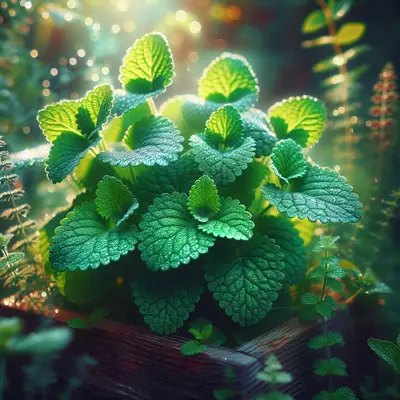
Lemon Balm is a vigorous perennial herb with soft, crinkled green leaves and small white or pale pink flowers. Reaching full maturity in 70 days, this heirloom variety thrives in full sun to partial shade and adapts well to most soil types. Distinguished by its intensely aromatic foliage releasing a powerful lemon scent when brushed, Lemon Balm delivers a refreshing citrus flavor with subtle minty undertones. Its strong essential oils naturally repel common pests like aphids and spider mites, making it exceptionally pest-resistant. Ideal for teas, cocktails, desserts, and fresh culinary applications.
Harvest
70d
Days to harvest
Sun
Full sun to partial shade
Zones
3–7
USDA hardiness
Height
2-3 feet
Planting Timeline
Showing dates for Lemon Balm in USDA Zone 7
All Zone 7 herb →Zone Map
Click a state to update dates
Lemon Balm · Zones 3–7
Growing Details
Complete Growing Guide
Light: Full sun (6 or more hours of direct sunlight a day), Partial Shade (Direct sunlight only part of the day, 2-6 hours). Soil: Clay, Loam (Silt), Sand, Shallow Rocky. Soil pH: Acid (<6.0), Neutral (6.0-8.0). Drainage: Good Drainage, Occasionally Dry. Height: 2 ft. 0 in. - 3 ft. 0 in.. Spread: 1 ft. 6 in. - 3 ft. 0 in.. Spacing: 12 inches-3 feet. Growth rate: Rapid. Maintenance: Low. Propagation: Division, Root Cutting, Seed. Regions: Coastal, Mountains, Piedmont.
Harvesting
Produces many viable seeds
Type: Capsule.
Edibility: Leaves and flowers can be used for teas and flavorings of soups, stews etc.
Storage & Preservation
Fresh lemon balm leaves lose their potency quickly, so use them within 2-3 days of harvest. Store fresh stems in a glass of water like cut flowers, covering leaves loosely with a plastic bag, then refrigerate. Alternatively, wrap damp leaves in paper towels and store in the refrigerator's crisper drawer.
For drying, hang small bundles in a warm, dry, well-ventilated area away from direct sunlight. Leaves are ready when they crumble easily, usually within 5-7 days. Store dried leaves whole in airtight containers to preserve essential oils — crush just before use.
Freeze fresh leaves in ice cube trays covered with water or oil for easy portion control in cooking. For tea blends, dry leaves retain more flavor than frozen. Lemon balm also makes excellent herbal vinegar — pack fresh leaves in glass jars and cover with white wine vinegar, steeping for 2-4 weeks.
History & Origin
Origin: Southern Europe
Advantages
- +Attracts: Butterflies, Pollinators
- +Edible: Leaves and flowers can be used for teas and flavorings of soups, stews etc.
- +Fast-growing
- +Low maintenance
Companion Plants
Lemon balm's volatile oils do genuine work in a mixed planting. The scent disrupts how aphids and other soft-bodied pests locate host plants, which is why it pulls weight near tomatoes, squash, and brassicas like cabbage and broccoli — crops that draw heavy pest pressure from April onward. Planting it at 18–24 inch spacing along the bed edge gives pollinators a consistent nectar source without shading out shorter neighbors like carrots and lettuce.
Mint is the pairing that will cause you real regret. Both plants spread by underground runners, and in our zone 7 Georgia garden, mint can double its footprint in a single season — planted 12 inches from lemon balm, it will be inside the lemon balm's root zone before midsummer. Keep mint in a buried container or at least 3 feet away. Basil and parsley compete for the same moisture and soil pH band (6.0–7.5 for all three) without adding anything useful to the bed — not a disaster, just a poor use of space you could give to something that earns it.
Plant Together
Tomatoes
Lemon balm repels aphids, whiteflies, and hornworms that commonly attack tomatoes
Cabbage
Deters cabbage moths, flea beetles, and other brassica pests
Broccoli
Repels cabbage worms and attracts beneficial insects that prey on brassica pests
Squash
Helps repel squash bugs and cucumber beetles while attracting pollinators
Roses
Deters aphids and Japanese beetles, while attracting beneficial predatory insects
Carrots
Repels carrot flies and other root vegetable pests
Lettuce
Provides natural pest control against aphids and leaf miners
Beans
Attracts beneficial insects and may help deter bean beetles
Keep Apart
Mint
Both are aggressive spreaders that compete for space and resources
Basil
Can be inhibited by lemon balm's strong allelopathic compounds
Parsley
Growth may be stunted due to lemon balm's competitive nature and chemical secretions
Nutrition Facts
Per 100g serving. % Daily Value based on 2,000 calorie diet. Source: USDA FoodData Central (FDC #167747)
Pests & Disease Resistance
Resistance
Generally disease resistant, can suffer from powdery mildew in humid conditions
Common Pests
Aphids, spider mites, generally pest resistant due to strong scent
Diseases
Powdery mildew, root rot in waterlogged soil
Troubleshooting Lemon Balm
What you'll see, why it happens, and what to do about it.
White powdery coating on upper leaf surfaces, usually appearing mid-summer when nights cool down and humidity climbs
Likely Causes
- Powdery mildew (Erysiphe spp.) — favored by high humidity combined with warm days and cooler nights
- Overcrowded planting that chokes airflow between plants
What to Do
- 1.Mix 1 tablespoon baking soda plus 1 tablespoon summer horticultural oil per gallon of water and spray as a preventive every 3 to 5 days — NC State Extension's organic gardening guidance lists this as effective against powdery mildew
- 2.Neem oil is another option; it breaks down within 100 hours in sunlight, so reapply on the same 3-to-5-day schedule
- 3.Cut the plant back hard — lemon balm tolerates aggressive shearing — to remove heavily infected growth and open up the canopy
Stems collapsing at soil level, lower leaves yellowing and wilting even when soil feels wet
Likely Causes
- Root rot from Pythium or Phytophthora spp. — both thrive in waterlogged, poorly drained soil
- Planting in a low spot or clay-heavy bed that holds water after rain
What to Do
- 1.Dig up the plant, trim away blackened roots, and replant in a raised bed or a spot with at least 12 inches of amended, free-draining soil
- 2.Water to 1–2 inches per week total (rain included) and stop irrigating if the soil is still damp 2 inches down
- 3.Don't replant lemon balm in that same spot — Pythium and Phytophthora persist in the soil through the following season
Leaves stippled or bronzed, tiny webbing visible on undersides, plant looking dusty and dull in hot dry spells
Likely Causes
- Two-spotted spider mites (Tetranychus urticae) — population explosions happen fast when temperatures stay above 85°F and humidity drops
- Drought stress weakening the plant's natural defenses
What to Do
- 1.Knock mites off with a strong spray of water from the hose, targeting leaf undersides — do this in the morning so foliage dries before evening
- 2.Apply neem oil, which NC State Extension notes acts as both a miticide and insecticide; reapply every 3–5 days since it breaks down within 100 hours of sun exposure
- 3.Keep the plant at 1–2 inches of water per week — mite pressure spikes faster on drought-stressed plants than healthy ones
Frequently Asked Questions
How long does lemon balm take to grow from seed?▼
Is lemon balm good for beginners?▼
Can you grow lemon balm in containers?▼
What does lemon balm taste like?▼
When should I plant lemon balm seeds?▼
How do you stop lemon balm from spreading everywhere?▼
Zone-by-Zone Planting Calendar
Growing Guides from Wind River Greens
Sources & References
External authority sources used in compiling this guide.
- ExtensionNC State Extension
- BreederJohnny's Selected Seeds
- USDAUSDA FoodData Central
See the Methodology page for how this data is sourced, what's AI-assisted, and known limitations.