Monkey Grass
Liriope muscari
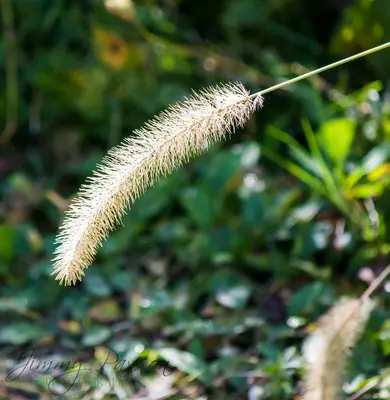
A versatile evergreen perennial that forms neat clumps of arching, grass-like foliage topped with spikes of purple or white flowers. Despite its common name, this isn't a true grass but provides similar landscaping benefits with superior drought tolerance and shade performance. Monkey grass is the go-to choice for low-maintenance borders, groundcover, and problem areas where other plants struggle.
Sun
Full sun to partial shade
Zones
5–10
USDA hardiness
Height
12-18 inches
Planting Timeline
Showing dates for Monkey Grass in USDA Zone 7
All Zone 7 grass →Zone Map
Click a state to update dates
Monkey Grass · Zones 5–10
Growing Details
Complete Growing Guide
Light: Deep shade (Less than 2 hours to no direct sunlight), Full sun (6 or more hours of direct sunlight a day), Partial Shade (Direct sunlight only part of the day, 2-6 hours). Soil: Clay, Loam (Silt), Sand, Shallow Rocky. Soil pH: Acid (<6.0), Neutral (6.0-8.0). Drainage: Good Drainage, Moist, Occasionally Dry. Height: 1 ft. 0 in. - 1 ft. 6 in.. Spread: 1 ft. 0 in. - 1 ft. 6 in.. Spacing: Less than 12 inches. Growth rate: Medium. Maintenance: Low. Propagation: Division, Seed. Regions: Coastal, Mountains, Piedmont.
Harvesting
Fruits are 1/3 inch in diameter, globose berries that start green and ripen to a shiny black.
Color: Black, Green. Type: Berry. Length: < 1 inch. Width: < 1 inch.
Garden value: Long-lasting, Showy
Harvest time: Fall
Storage & Preservation
Monkey grass is an ornamental perennial that doesn't require food storage. For plant material (cuttings, divisions), store in cool, humid conditions at 45-55°F if propagating. Keep soil moist but not waterlogged. Preservation methods include: (1) Division of established clumps every 3-4 years to rejuvenate plants and prevent overcrowding; (2) Seed collection and storage in cool, dry conditions for future propagation; (3) Taking stem cuttings in spring and rooting in moist propagation medium for reliable plant establishment.
History & Origin
Origin: China, Taiwan, and Japan
Advantages
- +Low maintenance
Considerations
- -Toxic (Fruits): Low severity
Companion Plants
Around here in the southeast, Liriope spends most of its life in part shade with moderate moisture, and the companions that hold up are the ones that want the same conditions without muscling in at the roots — Hostas and Heuchera sit above it in the vertical layer, Caladiums and Japanese Painted Fern tuck in beside it without much root competition. Black Walnut is the one to keep well away, not because of proximity alone but because juglone — the allelopathic compound it releases — moves through soil and suppresses root function in a wide range of ornamentals. Mint and Bamboo are a different category of problem entirely: both spread by runners fast enough to physically overrun Liriope clumps within a single growing season, and once they're tangled in, separation is miserable.
Plant Together
Hostas
Similar shade tolerance and moisture needs, complementary foliage textures
Heuchera
Both thrive in partial shade with consistent moisture, contrasting leaf colors
Astilbe
Shared preference for moist, well-draining soil and dappled sunlight
Japanese Painted Fern
Compatible growing conditions and creates attractive textural contrast
Caladium
Both enjoy humid conditions and partial shade, complementary seasonal interest
Impatiens
Similar light and water requirements, monkey grass provides good ground cover base
Azaleas
Both prefer acidic soil and partial shade, monkey grass suppresses weeds around shrubs
Begonias
Matching preferences for filtered light and consistent moisture
Keep Apart
Black Walnut Trees
Produces juglone toxin that can inhibit growth of many understory plants
Mint
Aggressive spreading can compete for space and nutrients
Bamboo
Both are aggressive spreaders that can compete for territory
Pests & Disease Resistance
Resistance
Excellent disease resistance
Common Pests
Scale insects, slugs and snails
Diseases
Crown rot in poorly drained soils
Troubleshooting Monkey Grass
What you'll see, why it happens, and what to do about it.
White or tan crusty bumps on leaf blades, leaves looking dull or yellowed despite adequate water
Likely Causes
- Scale insects (likely Pulvinaria innumerabilis or similar soft scale) — suck sap and excrete sticky honeydew
- Overcrowded clumps with poor air circulation
What to Do
- 1.Cut the entire planting back hard to about 3 inches in late winter or early spring before new growth flushes — this removes the bulk of the infestation
- 2.Spray remaining crowns with horticultural oil at a 2% dilution, coating the leaf bases where scale hides
- 3.Divide clumps that have exceeded 18 inches across to open up airflow
Ragged, irregular holes chewed through leaves overnight, slime trails visible on soil or foliage in the morning
Likely Causes
- Slugs or snails — especially active after rain on dense, shaded plantings where the ground stays moist
What to Do
- 1.Scatter iron phosphate bait (Sluggo or equivalent) around the base of clumps at the label rate — safe around pets and wildlife
- 2.Pull back any thick mulch directly against the crowns so slugs have fewer places to shelter during the day
- 3.Check under clumps by hand at night with a flashlight and remove slugs manually if the population is small
Center of clump turning brown and mushy, plants collapsing at the crown even though surrounding soil seems moist
Likely Causes
- Crown rot — most often Phytophthora or Pythium spp. triggered by waterlogged soil or planting too deep
- Heavy clay soil with no drainage amendment
What to Do
- 1.Dig the affected clump immediately and throw it in the trash, not the compost
- 2.Amend the planting hole with coarse sand or pine bark fines before replanting — NC State Extension recommends improving drainage as the primary prevention step
- 3.Set new divisions so the crown sits at or just slightly above the soil line, not buried
Frequently Asked Questions
Is monkey grass good for beginners?▼
Can you grow monkey grass in containers?▼
How long does monkey grass take to mature?▼
When should I plant monkey grass?▼
How is monkey grass different from ornamental grasses?▼
Does monkey grass attract pests?▼
Zone-by-Zone Planting Calendar
Growing Guides from Wind River Greens
Sources & References
External authority sources used in compiling this guide.
- ExtensionNC State Extension
See the Methodology page for how this data is sourced, what's AI-assisted, and known limitations.