Salvia Victoria Blue
Salvia splendens 'Victoria Blue'
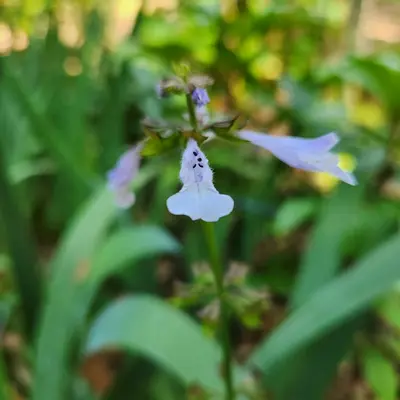
This compact powerhouse produces dense spikes of true blue flowers that are magnets for butterflies and hummingbirds throughout the growing season. Unlike typical red salvias, this variety offers the rare and coveted blue color that gardeners crave for cooler color schemes.
Harvest
80-90d
Days to harvest
Sun
Full sun to partial shade
Zones
10–11
USDA hardiness
Height
1-3 feet
Planting Timeline
Showing dates for Salvia Victoria Blue in USDA Zone 7
All Zone 7 flower →Zone Map
Click a state to update dates
Salvia Victoria Blue · Zones 10–11
Growing Details
Complete Growing Guide
Light: Full sun (6 or more hours of direct sunlight a day), Partial Shade (Direct sunlight only part of the day, 2-6 hours). Soil: High Organic Matter, Loam (Silt). Soil pH: Neutral (6.0-8.0). Drainage: Good Drainage. Height: 1 ft. 0 in. - 3 ft. 0 in.. Spread: 0 ft. 8 in. - 0 ft. 10 in.. Spacing: Less than 12 inches. Growth rate: Rapid. Maintenance: Low. Propagation: Stem Cutting. Regions: Coastal, Mountains, Piedmont.
Harvesting
Schizocarp has 4 lobes that separate into 4 single-seeded nutlets.
Color: Black. Type: Schizocarp. Length: < 1 inch. Width: < 1 inch.
Storage & Preservation
Fresh-cut Salvia Victoria Blue stems last 5-7 days when stored properly. Immediately after cutting, recut stems underwater and place in clean vases with fresh water mixed with flower food. Keep arrangements away from direct sunlight and heat sources, changing water every 2-3 days.
For dried flower arrangements, harvest when blooms are at peak color but before fully open. Strip lower leaves and bundle 5-7 stems together with rubber bands. Hang upside down in a dark, well-ventilated area for 2-3 weeks. Properly dried salvias retain their blue color for 6-8 months when stored in airtight containers away from light.
To preserve seeds for next year's planting, allow some flower spikes to remain on plants until they turn brown and papery. Collect seeds on a dry day, clean thoroughly, and store in paper envelopes in a cool, dry location. Properly stored seeds remain viable for 3-4 years.
History & Origin
Origin: Brazil
Advantages
- +Attracts: Butterflies, Hummingbirds, Pollinators
- +Fast-growing
- +Low maintenance
Companion Plants
Marigolds (especially Tagetes patula) are the most practical neighbor here — their root secretions deter soil nematodes, and the flowers draw in predatory insects that also knock back the aphids and whiteflies that target Victoria Blue. Lavender, Rosemary, and Catmint work through a different channel: the volatile oils in their foliage genuinely disorient soft-bodied pests searching for a landing spot, which is a real mechanism, not garden folklore. Zinnias and Cosmos fill out the bed without competing for the same root zone. Mint is the one to skip — not because of allelopathy, but because it spreads by underground runner and will physically crowd out anything within 12-18 inches unless you're growing it in a buried container.
Plant Together
Marigold
Repels aphids, whiteflies, and nematodes while attracting beneficial insects
Lavender
Similar growing conditions, repels pests, and attracts pollinators
Rosemary
Deters cabbage moths and carrot flies, shares drought tolerance
Zinnia
Attracts butterflies and beneficial insects, complementary bloom colors
Catmint
Repels ants, aphids, and rodents while attracting bees
Cosmos
Attracts beneficial insects and provides structural contrast
Nasturtium
Acts as trap crop for aphids and cucumber beetles
Oregano
Repels many pests and attracts beneficial predatory insects
Keep Apart
Black Walnut
Produces juglone toxin that inhibits growth of many flowering plants
Eucalyptus
Releases allelopathic compounds that suppress nearby plant growth
Mint
Aggressive spreading habit competes for space and nutrients
Pests & Disease Resistance
Resistance
Good disease resistance, may get root rot in poorly drained soil
Common Pests
Aphids, whiteflies, spider mites
Diseases
Root rot, powdery mildew in humid conditions
Troubleshooting Salvia Victoria Blue
What you'll see, why it happens, and what to do about it.
Leaves covered in white powdery coating, usually starting on upper leaf surfaces in late summer
Likely Causes
- Powdery mildew (Erysiphe cichoracearum) — thrives when nights are cool and humid but days are warm
- Crowded spacing below 8 inches that cuts airflow between plants
What to Do
- 1.Remove and trash the worst-affected leaves — don't compost them
- 2.Spray foliage with a diluted potassium bicarbonate solution (1 tablespoon per gallon of water) every 7-10 days
- 3.Next season, hold to the 8-10 inch spacing and site the plants where they get at least 4 hours of direct sun
Plants wilting and yellowing at the base, roots appearing brown and mushy when pulled
Likely Causes
- Root rot caused by Phytophthora or Pythium spp. — almost always triggered by waterlogged soil
- Planting in heavy clay with no amendment, or pots without drainage holes
What to Do
- 1.Pull and discard affected plants — they won't recover once the crown is gone
- 2.Amend beds with perlite or coarse compost before replanting; target a soil pH of 6.0-7.5 and good drainage
- 3.Water to 1 inch per week and let the top inch of soil dry out between waterings
Sticky residue on leaves and stems, with clusters of small soft-bodied insects on new growth or leaf undersides
Likely Causes
- Aphids (multiple species) — populations explode fast in warm, still weather
- Whiteflies (Trialeurodes vaporariorum) — common when plants are stressed or crowded with poor air movement
What to Do
- 1.Knock aphids off with a firm blast of water from a hose — do this in the morning so foliage dries quickly
- 2.Apply insecticidal soap (2-3% solution) directly to affected areas; repeat every 5-7 days until pressure drops
- 3.Plant Zinnia or Cosmos nearby — both draw parasitic wasps that work on aphids and whiteflies alike
Frequently Asked Questions
How long does Salvia Victoria Blue take to bloom from seed?▼
Can you grow Salvia Victoria Blue in containers?▼
Is Salvia Victoria Blue good for beginning gardeners?▼
When should I plant Salvia Victoria Blue outdoors?▼
What's the difference between Victoria Blue and regular red salvia?▼
Does Salvia Victoria Blue attract hummingbirds and butterflies?▼
Zone-by-Zone Planting Calendar
| Zone | Indoor Start | Transplant | Direct Sow | Harvest |
|---|---|---|---|---|
| Zone 3 | April – May | June – July | June – August | — |
| Zone 4 | March – April | June – June | June – July | — |
| Zone 5 | March – April | May – June | May – July | — |
| Zone 6 | March – April | May – June | May – July | — |
| Zone 7 | February – March | April – May | April – June | — |
| Zone 8 | February – March | April – May | April – June | — |
| Zone 9 | January – February | March – April | March – May | — |
| Zone 10 | January – January | February – March | February – April | — |
| Zone 1 | May – June | July – August | July – September | — |
| Zone 2 | April – May | June – July | June – August | — |
| Zone 11 | January – January | January – February | January – March | — |
| Zone 12 | January – January | January – February | January – March | — |
| Zone 13 | January – January | January – February | January – March | — |
Growing Guides from Wind River Greens
Sources & References
External authority sources used in compiling this guide.
- ExtensionNC State Extension
See the Methodology page for how this data is sourced, what's AI-assisted, and known limitations.