Northern Sea Oats
Chasmanthium latifolium
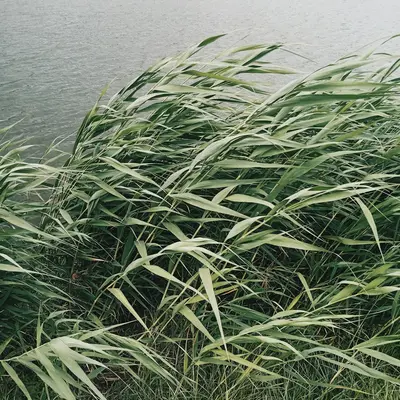
A graceful native grass prized for its distinctive flat, oat-like seed heads that rustle beautifully in the wind. Excellent for naturalizing and providing movement in the garden, this adaptable grass thrives in both sun and shade with stunning fall color.
Sun
Partial shade
Zones
5–9
USDA hardiness
Height
2-5 feet
Planting Timeline
Showing dates for Northern Sea Oats in USDA Zone 7
All Zone 7 grass →Zone Map
Click a state to update dates
Northern Sea Oats · Zones 5–9
Growing Details
Complete Growing Guide
Light: Dappled Sunlight (Shade through upper canopy all day), Partial Shade (Direct sunlight only part of the day, 2-6 hours). Soil: Clay, Loam (Silt), Sand. Drainage: Moist, Occasionally Wet. Height: 2 ft. 0 in. - 5 ft. 0 in.. Spread: 1 ft. 0 in. - 2 ft. 6 in.. Spacing: 12 inches-3 feet. Growth rate: Medium. Maintenance: Medium. Propagation: Division, Seed. Regions: Coastal, Mountains, Piedmont.
Harvesting
Seed heads are green to tan then purplish bronze from July to November.
Color: Brown/Copper, Cream/Tan, Gray/Silver, Purple/Lavender. Type: Caryopsis.
Garden value: Long-lasting, Showy
Harvest time: Fall, Summer
Storage & Preservation
Northern Sea Oats are primarily grown as ornamental landscape plants rather than harvested for storage. If collecting seed heads for crafts or arrangements, store in a cool, dry location (60-70°F, 30-40% humidity) in paper bags or vases. Dried seed heads maintain their appearance for 6-12 months. Preservation methods include: air-drying in bundles hung upside down in a dark, well-ventilated space; pressing stems between newspaper for flat arrangements; or silica gel drying to retain color intensity. Keep away from moisture to prevent mold and maintain structural integrity.
History & Origin
Origin: Central Canada, Central & E. U.S.A. to NE. Mexico
Advantages
- +Attracts: Butterflies, Pollinators, Small Mammals, Songbirds
Companion Plants
Northern Sea Oats pairs well with shade-tolerant natives that share its preference for moist, slightly acidic soil in the 5.0–7.5 pH range. Astilbe and Wild Ginger are the most practical neighbors — Wild Ginger in particular spreads slowly at ground level and fills the 6–12 inch layer that the grass leaves open, so the two stack vertically without fighting. Purple Coneflower and Black-eyed Susan work best along the sunnier edge of a planting, where Chasmanthium latifolium transitions toward more light and those sun-lovers can hold their own.
The three harmful companions — Tree of Heaven (Ailanthus altissima), Crown Vetch (Coronilla varia), and Autumn Olive (Elaeagnus umbellata) — are all invasive species, and the problem isn't chemical. It's that all three spread fast enough to physically crowd out a grass that, at 18–24 inch spacing, needs some breathing room to establish. They're worth avoiding in any planting, not just this one.
Plant Together
Purple Coneflower
Attracts beneficial insects and provides structural contrast with similar moisture needs
Black-eyed Susan
Shares similar growing conditions and creates attractive naturalized plantings
Wild Bergamot
Attracts pollinators and beneficial insects while tolerating similar soil conditions
Little Bluestem
Compatible native grass that provides textural variety without competition
Coral Bells
Low-growing perennial that complements grass texture and shares shade tolerance
Astilbe
Thrives in similar moist, partially shaded conditions with complementary foliage
Wild Ginger
Excellent groundcover companion for shaded areas with similar moisture requirements
Sedums
Drought-tolerant succulents that provide season-long interest without competing for resources
Keep Apart
Tree of Heaven
Releases allelopathic compounds that inhibit growth of native grasses and plants
Crown Vetch
Aggressive spreader that can outcompete and smother ornamental grasses
Autumn Olive
Creates dense shade and root competition that suppresses native grass growth
Pests & Disease Resistance
Resistance
Excellent, native hardiness
Common Pests
Very few pest issues
Diseases
Highly disease resistant
Troubleshooting Northern Sea Oats
What you'll see, why it happens, and what to do about it.
Clump spreading aggressively into neighboring beds, seedlings popping up 12–18 inches from the mother plant
Likely Causes
- Self-seeding — Northern Sea Oats produces abundant fertile seed that drops and germinates readily
- Planting near disturbed or bare soil, which gives seeds an easy foothold
What to Do
- 1.Cut the seed heads off in late summer before they fully ripen and drop — do this by late August in most zones
- 2.Pull seedlings while they're small (under 3 inches); the roots get wiry fast
- 3.Consider planting in a contained bed or using an edging barrier 8–10 inches deep if spread is a concern
Clump dying out in the center, with healthy growth only around the outer edges
Likely Causes
- Clump fatigue — common in ornamental grasses after 3–4 years without division
- Compacted or waterlogged soil suffocating the crown
What to Do
- 1.Divide the clump in early spring before new growth is more than 4–5 inches tall — dig the whole root mass and split it into sections with a sharp spade
- 2.Replant divisions at the original 18–24 inch spacing and water in well
- 3.Amend the planting hole with compost if the soil drains poorly
Foliage bleaching to pale yellow-green or looking washed out in midsummer
Likely Causes
- Too much direct sun — Chasmanthium latifolium is adapted to partial shade (4–6 hours) and struggles in full afternoon exposure
- Drought stress combined with heat, especially in sandy or shallow soils
What to Do
- 1.If the plant is getting 6+ hours of afternoon sun, plan to move it in fall to a shadier spot
- 2.Mulch 2–3 inches deep around the base to retain soil moisture and buffer root temperature
- 3.Water deeply once or twice a week during heat stretches rather than shallow daily watering
Frequently Asked Questions
Is Northern Sea Oats good for beginners?▼
Can you grow Northern Sea Oats in containers?▼
When should I plant Northern Sea Oats?▼
How long does Northern Sea Oats take to mature?▼
What makes Northern Sea Oats unique?▼
Does Northern Sea Oats need special soil preparation?▼
Zone-by-Zone Planting Calendar
Growing Guides from Wind River Greens
Sources & References
External authority sources used in compiling this guide.
- ExtensionNC State Extension
See the Methodology page for how this data is sourced, what's AI-assisted, and known limitations.