Basil, Lemon
Ocimum basilicum citriodora
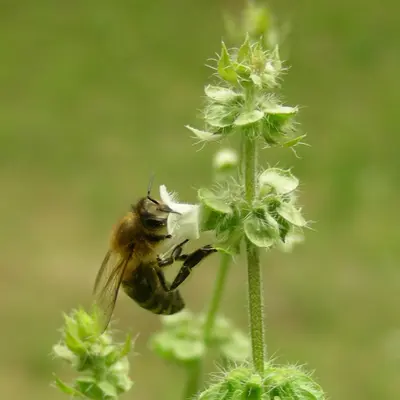
Uniform, medium-green leaves with medium texture. Use lemon basil in dishes that call for both basil flavor and a touch of zest. Also an elegant cocktail and dessert garnish. A critical ingredient in many Asian dishes, including those of Thailand, Laos, Indonesia, and the Philippines. Based on our yield trial, we recommend seeding 6.5 gm per tray at approx. 5 flats per oz of seed. Avg. days to maturity was 19 days when harvested at the first true leaf (as opposed to cotyledon) stage.
Harvest
16-25d
Days to harvest
Sun
Full sun to partial shade
Zones
10–10
USDA hardiness
Height
0-3 feet
Planting Timeline
Showing dates for Basil, Lemon in USDA Zone 7
All Zone 7 microgreen →Zone Map
Click a state to update dates
Basil, Lemon · Zones 10–10
Growing Details
Succession Planting
Lemon basil microgreens turn around in 16–25 days, so staggering trays every 7–10 days gives you a steady cut without a glut. Because germination is fully indoor and temperature-driven, there's no seasonal hard stop — just keep the room above 65°F and the light consistent. In winter near a low-sun window, expect germination to drag toward the 25-day end; a supplemental T5 or LED fixture pulls it back toward 16 days and keeps the stems from stretching thin.
Complete Growing Guide
Lemon basil microgreens are started exclusively through indoor sowing, making timing relative to frost dates irrelevant since these are harvested at just 16 days before they ever touch outdoor soil. Begin your crop indoors year-round by spreading approximately 6.5 grams of seed per standard microgreen tray, which equates to about 5 flats per ounce of seed. This seeding density ensures the uniform, medium-green appearance the variety is known for while promoting adequate airflow between developing seedlings.
Prepare your growing medium by using a quality microgreen soil mix that drains well but retains enough moisture for consistent germination. Lemon basil seeds should be sown directly on the surface or pressed gently into the top quarter-inch of soil—avoid covering them deeply, as light exposure aids germination. Before seeding, mist your prepared tray thoroughly so moisture is present without standing water. Once seeded, maintain high humidity by covering trays with a humidity dome or dark propagation lid for the first five to seven days until the cotyledons emerge.
Watering lemon basil microgreens requires a delicate balance: the soil should remain consistently moist but never waterlogged. Bottom watering through capillary mats works exceptionally well for this variety, as it prevents the delicate cotyledons from being damaged by overhead spray. Check soil moisture daily once germination begins, and switch to bottom watering by day three or four. By day ten, transition seedlings to bright indirect light under grow lights positioned 4–6 inches above the canopy, providing 12–16 hours of daily illumination.
The citrus-scented leaves of lemon basil attract whiteflies and spider mites more readily than standard basil varieties, so maintain vigilant daily monitoring under your grow lights. If webbing or yellowing appears, increase air circulation with a small oscillating fan and reduce humidity slightly rather than resorting to sprays that contaminate immature microgreens. Damping off can occur in overly humid conditions, so ensure adequate airflow from the moment germination begins.
Unlike larger basil plants, lemon basil microgreens require no pruning or succession planting strategies. Simply harvest when the first true leaves—those with the characteristic oval shape and citrus aroma—emerge alongside the cotyledons, typically around day 16. Cut the entire microgreen at soil level using clean scissors.
The most common mistake gardeners make with lemon basil microgreens is harvesting too early, cutting at the cotyledon stage instead of waiting for true leaf development. While cotyledons germinate faster, true leaves contain the concentrated lemon flavor and delicate basil notes that make this variety valuable for culinary applications, particularly in Asian cuisine and as an elegant cocktail or dessert garnish. Patience through day 14–16 rewards you with superior flavor and appearance.
Harvesting
Basil, Lemon reaches harvest at 16 - 25 days from sowing per Johnny's Selected Seeds. Expect 5 g at peak. As an annual, harvest continues until frost ends the season.
Edibility: Leaves and flowers in tea, as flavoring
Storage & Preservation
Freshly harvested lemon basil microgreens keep best in a breathable container lined with paper towels to wick away excess moisture, stored at 35–40°F with 85–90% humidity. A perforated plastic clamshell works well. Expect a fresh shelf life of 5–7 days before the delicate leaves begin to wilt and lose their bright citrus notes.
For longer storage, freezing is your most reliable option: blanch briefly in boiling water, shock in ice water, pat dry, and freeze in airtight containers up to three months. Alternatively, dry the microgreens slowly at 95–105°F in a dehydrator until completely crisp, then store in an airtight jar away from light. Lemon basil's volatile oils are particularly sensitive to heat, so avoid high-temperature drying or you'll sacrifice the distinctive citrus flavor that makes this variety worth growing.
History & Origin
Basil, Lemon is open-pollinated, meaning seed saved from healthy plants will produce true-to-type offspring. Listed in the Johnny's Selected Seeds catalog.
Origin: Tropical Africa and Asia
Advantages
- +Dual flavor profile combines basil taste with bright lemon zest elegantly
- +Versatile garnish for cocktails, desserts, and savory Asian cuisine dishes
- +Fast maturity at 16-25 days makes frequent succession planting profitable
- +Easy difficulty level suitable for beginners and commercial producers alike
- +Medium texture and uniform appearance create visually appealing microgreen presentation
Considerations
- -Requires precise seeding rate of 6.5 gm per tray for optimal yield
- -Lemon basil susceptible to damping-off in overly moist growing conditions
- -Aromatic oils may fade quickly after harvest, reducing shelf life potential
Companion Plants
Lemon basil grown as a microgreen doesn't share soil with companions the way field crops do, but if you're running trays alongside other microgreens, oregano and parsley are sensible neighbors — they want the same 70–80°F range and similar moisture, so you're not juggling two different management routines. Keep trays well away from fennel; it releases anethole and other volatile compounds that can suppress basil germination, and rue has a similar inhibitory effect. Marigolds and nasturtiums don't translate to the tray context, but if you're hardening seedlings near a patio planting, neither will cause problems.
Plant Together
Tomatoes
Basil repels tomato hornworms and aphids while improving tomato flavor
Peppers
Basil deters aphids, spider mites, and thrips that commonly attack peppers
Oregano
Both herbs have similar growing requirements and complement each other's pest-repelling properties
Marigolds
Repel nematodes and aphids while attracting beneficial insects
Parsley
Compatible growing conditions and parsley attracts beneficial insects that protect basil
Lettuce
Basil provides natural pest protection for lettuce while both thrive in similar conditions
Chives
Repel aphids and other soft-bodied insects that can damage basil microgreens
Nasturtiums
Act as trap crops for aphids and cucumber beetles while attracting beneficial predators
Keep Apart
Rue
Releases compounds that can inhibit basil germination and growth
Sage
Can stunt basil growth through allelopathic compounds and competition for nutrients
Fennel
Produces allelopathic chemicals that inhibit growth of most herbs including basil
Nutrition Facts
Per 100g serving. % Daily Value based on 2,000 calorie diet. Source: USDA FoodData Central (FDC #172232)
Troubleshooting Basil, Lemon
What you'll see, why it happens, and what to do about it.
Seeds germinating unevenly or not at all by day 5–6, with dry or crusty surface
Likely Causes
- Insufficient moisture during germination — lemon basil seeds need consistent humidity, not just a single watering
- Sowing too sparse or too thick (target 6.5 g per standard 10×20 tray)
What to Do
- 1.Mist the surface 2–3 times daily and cover the tray with a humidity dome or inverted tray until sprouts emerge
- 2.Weigh your seed before sowing — 6.5 g is less than it looks; a kitchen scale makes this reliable
- 3.If the medium dried out, bottom-water the tray for 10–15 minutes to rehydrate without disturbing seeds
Pale yellow or whitish seedlings at day 8–10 that aren't greening up
Likely Causes
- Etiolation from insufficient light — kept under a dome or in low light too long after germination
- Cotyledons failing to open fully due to temperatures below 65°F
What to Do
- 1.Move trays immediately under grow lights or into direct sun — 14–16 hours under a T5 or LED fixture corrects yellowing within 24–48 hours
- 2.Keep ambient temps between 70°F and 80°F; lemon basil stalls noticeably in cool conditions and won't self-correct until it warms up
Stems collapsing at soil level, seedlings falling over in patches around day 10–14
Likely Causes
- Damping off — typically Pythium or Rhizoctonia species — triggered by overwatering and poor airflow
- Standing water sitting in the tray bottom for more than 30 minutes after watering
What to Do
- 1.Run a small fan on low across the tray surface for at least a few hours a day starting on day 1
- 2.Bottom-water only, and let the medium surface start to dry before the next watering — lemon basil microgreens don't need to stay constantly wet
- 3.Discard affected trays; Pythium spreads fast and a tray with multiple collapsed patches won't recover
Frequently Asked Questions
How long does lemon basil microgreen take to harvest?▼
Is lemon basil microgreen good for beginners?▼
What does lemon basil microgreen taste like?▼
How much light does lemon basil microgreen need?▼
What are the best culinary uses for lemon basil microgreens?▼
How much seed do I need per tray?▼
Zone-by-Zone Planting Calendar
| Zone | Indoor Start | Transplant | Direct Sow | Harvest |
|---|---|---|---|---|
| Zone 1 | January – December | — | — | January – December |
| Zone 2 | January – December | — | — | January – December |
| Zone 11 | January – December | — | — | January – December |
| Zone 12 | January – December | — | — | January – December |
| Zone 13 | January – December | — | — | January – December |
| Zone 3 | January – December | — | — | January – December |
| Zone 4 | January – December | — | — | January – December |
| Zone 5 | January – December | — | — | January – December |
| Zone 6 | January – December | — | — | January – December |
| Zone 7 | January – December | — | — | January – December |
| Zone 8 | January – December | — | — | January – December |
| Zone 9 | January – December | — | — | January – December |
| Zone 10 | January – December | — | — | January – December |
Growing Guides from Wind River Greens
Sources & References
External authority sources used in compiling this guide.
- ExtensionNC State Extension
- BreederJohnny's Selected Seeds
- USDAUSDA FoodData Central
See the Methodology page for how this data is sourced, what's AI-assisted, and known limitations.