Garden Phlox David
Phlox paniculata 'David'
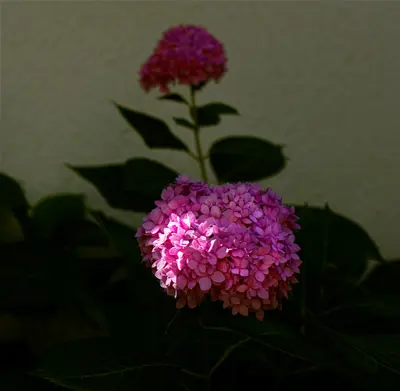
A Perennial Plant Association award winner renowned for its exceptional mildew resistance and pure white fragrant blooms. This robust perennial produces dense clusters of pristine white flowers that attract butterflies and hummingbirds while maintaining clean, healthy foliage throughout the season. David stands as the gold standard for white garden phlox and serves as an excellent backbone plant for cottage gardens.
Sun
Full sun to partial shade
Zones
4–8
USDA hardiness
Height
2-4 feet
Planting Timeline
Showing dates for Garden Phlox David in USDA Zone 7
All Zone 7 flower →Zone Map
Click a state to update dates
Garden Phlox David · Zones 4–8
Growing Details
Complete Growing Guide
Light: Full sun (6 or more hours of direct sunlight a day), Partial Shade (Direct sunlight only part of the day, 2-6 hours). Soil: Clay, High Organic Matter, Loam (Silt). Soil pH: Acid (<6.0), Alkaline (>8.0), Neutral (6.0-8.0). Drainage: Good Drainage, Moist. Height: 2 ft. 0 in. - 4 ft. 0 in.. Spread: 2 ft. 0 in. - 3 ft. 0 in.. Spacing: 12 inches-3 feet. Growth rate: Medium. Maintenance: Medium. Propagation: Division, Root Cutting, Seed, Stem Cutting. Regions: Coastal, Mountains, Piedmont.
Harvesting
Harvest time: Fall
Storage & Preservation
Fresh-cut Garden Phlox David stems last 7-10 days with proper care. Immediately after cutting, recut stems underwater and place in a clean vase with fresh, lukewarm water mixed with floral preservative. Change water every 2-3 days and trim stems by 1/2 inch each time.
Store cut stems in a cool location away from direct sunlight and heat sources. Refrigerate overnight in water for longer vase life if displaying during hot weather.
For preservation, Garden Phlox David air-dries beautifully for dried arrangements. Harvest flowers when fully open but still fresh, strip lower leaves, and hang bundles upside down in a dark, well-ventilated area. Drying takes 2-3 weeks. You can also press individual florets between absorbent paper for craft projects, though the white flowers may yellow slightly when dried.
History & Origin
Origin: Eastern United States
Advantages
- +Attracts: Bees, Butterflies, Hummingbirds, Pollinators
Companion Plants
Black-Eyed Susan, Purple Coneflower, and Catmint are solid neighbors for 'David' because they share similar soil pH preferences (6.0-7.0), bloom on an overlapping summer schedule, and don't compete aggressively for root space. Catmint stays low enough — usually under 18 inches — that it won't shade the phlox base, and its volatile oils appear to deter aphids and spider mites somewhat, though don't count on it as a primary pest strategy. Bee Balm draws the same long-tongued pollinators that visit phlox, which is genuinely useful for flower set; just give it room, because it spreads by rhizome and will muscle into a phlox clump if you ignore the bed for a season or two.
Black walnut is a real problem. It produces juglone, a compound that leaches through soil and is documented to suppress or kill a range of herbaceous perennials — NC State Extension notes the risk zone can extend well beyond the tree's drip line. Crown vetch is a different issue: it doesn't poison, it just outcompetes. Once it's established in a bed, it'll weave through phlox stems and strangle new growth before you notice it's moved in.
Plant Together
Black-Eyed Susan
Similar sun and soil requirements, creates attractive color contrast, blooms complement each other
Purple Coneflower
Attracts beneficial insects that help with pest control, similar growing conditions
Bee Balm
Both attract pollinators, similar height and water needs, natural pest deterrent properties
Catmint
Repels aphids and other pests, drought tolerant companion with complementary purple blooms
Shasta Daisy
Provides white contrast to phlox colors, similar perennial care requirements, extends bloom season
Salvia
Attracts beneficial insects, deer resistant like phlox, provides vertical interest
Lavender
Natural pest deterrent, drought tolerant, aromatic qualities complement garden design
Delphiniums
Provides height variation, similar rich soil preferences, creates stunning color combinations
Keep Apart
Black Walnut Tree
Produces juglone which is toxic to phlox and inhibits growth
Tall Fescue Grass
Competes aggressively for nutrients and water, can inhibit phlox establishment
Crown Vetch
Invasive groundcover that can overwhelm and crowd out phlox plantings
Pests & Disease Resistance
Resistance
Excellent powdery mildew resistance, good overall disease tolerance
Common Pests
Spider mites, phlox plant bugs, nematodes
Diseases
Powdery mildew (resistant), leaf spot, crown rot in poorly drained soils
Troubleshooting Garden Phlox David
What you'll see, why it happens, and what to do about it.
White powdery coating on leaves and stems, spreading from mid-summer onward
Likely Causes
- Powdery mildew (Erysiphe cichoracearum) — 'David' is listed as resistant but not immune; dense planting and poor airflow push even resistant cultivars over the edge
- Overhead watering that keeps foliage wet into the evening
What to Do
- 1.Space plants at least 18-24 inches apart and thin interior stems each spring to open up airflow
- 2.Water at the base only, in the morning, so foliage dries before nightfall
- 3.If mildew is already visible, remove and trash affected leaves; a baking soda spray (1 tablespoon per gallon water) can slow spread on remaining foliage
Dark water-soaked patches at the crown, stems collapsing at soil level
Likely Causes
- Crown rot caused by Phytophthora or Pythium spp. — both thrive in waterlogged soil, especially in clay-heavy beds
- Planting in a low spot that holds rain or irrigation water for more than an hour
What to Do
- 1.Dig the plant and inspect the crown — if it's mushy and brown more than an inch deep, the plant is a loss; remove it entirely
- 2.Amend the bed with 2-3 inches of coarse grit or perlite worked in before replanting, or build a raised bed to get drainage below 12 inches
- 3.Don't replant phlox in that same spot for at least two seasons
Small tan or brown spots with purple borders scattered across leaves, sometimes coalescing into larger dead patches
Likely Causes
- Leaf spot (Septoria or Cercospora spp.) — fungal, spreads by rain splash from infected soil or debris
- Crowded beds that stay humid after rain
What to Do
- 1.Strip affected leaves off by hand and dispose of them in the trash, not the compost pile
- 2.Mulch around the base with 2 inches of shredded bark to reduce soil splash
- 3.Cut all stems to the ground in fall and remove the debris — overwintering spores live in dead plant material
Stippled, bronzed, or silvery leaf surfaces; tiny moving specks visible on the undersides; fine webbing in dry stretches
Likely Causes
- Two-spotted spider mite (Tetranychus urticae) — populations explode in hot, dry weather above 85°F
- Dusty conditions or water stress that weakens the plant's defenses
What to Do
- 1.Hit the undersides of leaves with a strong jet of water three days in a row to knock mites off and disrupt reproduction
- 2.If infestation is heavy, apply insecticidal soap or neem oil every 5-7 days for two to three applications — coat the undersides thoroughly
- 3.Keep plants watered consistently at 1-1.5 inches per week; water-stressed phlox is significantly more vulnerable
Frequently Asked Questions
How long does Garden Phlox David take to bloom from seed?▼
Can you grow Garden Phlox David in containers?▼
Is Garden Phlox David good for beginners?▼
When should I divide Garden Phlox David?▼
Does Garden Phlox David spread and become invasive?▼
Why are my Garden Phlox David leaves turning yellow?▼
Zone-by-Zone Planting Calendar
| Zone | Indoor Start | Transplant | Direct Sow | Harvest |
|---|---|---|---|---|
| Zone 3 | April – May | June – July | June – August | — |
| Zone 4 | March – April | June – June | June – July | — |
| Zone 5 | March – April | May – June | May – July | — |
| Zone 6 | March – April | May – June | May – July | — |
| Zone 7 | February – March | April – May | April – June | — |
| Zone 8 | February – March | April – May | April – June | — |
| Zone 9 | January – February | March – April | March – May | — |
| Zone 10 | January – January | February – March | February – April | — |
| Zone 1 | May – June | July – August | July – September | — |
| Zone 2 | April – May | June – July | June – August | — |
| Zone 11 | January – January | January – February | January – March | — |
| Zone 12 | January – January | January – February | January – March | — |
| Zone 13 | January – January | January – February | January – March | — |