Orleans Red III-IV
Antirrhinum majus
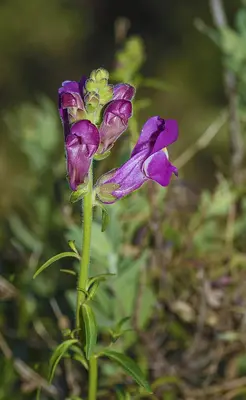
Earthy-crimson flowers complement late summer and fall arrangements that call for "burnt sienna" and "rust", which can be difficult colors to find in fresh flowers. Opened florets are dark bronze while unopened buds are a dark berry color. 5-7 days earlier than the standard Potomac series. Strong stems. Uniform plants and blooms. Group 3-4 snapdragons can be grown in the field or indoors and are well-suited for spring and summer production in most areas.
Harvest
105-115d
Days to harvest
Sun
Full sun to partial shade
Zones
7–10
USDA hardiness
Height
0-3 feet
Planting Timeline
Showing dates for Orleans Red III-IV in USDA Zone 7
All Zone 7 flower →Zone Map
Click a state to update dates
Orleans Red III-IV · Zones 7–10
Growing Details
Succession Planting
Orleans Red III-IV keeps blooming as long as you deadhead consistently and temperatures stay below about 85°F — once summer heat sets in hard, flower quality drops and stem length shortens noticeably. A single well-timed planting can carry a season, but two rounds spaced 3–4 weeks apart give you a longer window. Start the first indoors in late February, transplant in April after your last frost date, and start a second round in mid-March to go in the ground in early May.
In zones 7–9, a fall planting is often the best of the year. Start seed indoors in late June, transplant in mid-August as nighttime temps begin to drop, and let the plants run into October or beyond. Snapdragons perform at their best in the 60–70°F night range — fall color tends to be deeper and stems longer than what the same variety produces in spring.
Complete Growing Guide
Earthy-crimson flowers complement late summer and fall arrangements that call for "burnt sienna" and "rust", which can be difficult colors to find in fresh flowers. Opened florets are dark bronze while unopened buds are a dark berry color. 5-7 days earlier than the standard Potomac series. Strong stems. Uniform plants and blooms. Group 3-4 snapdragons can be grown in the field or indoors and are well-suited for spring and summer production in most areas. According to Johnny's Selected Seeds, Orleans Red III-IV is 105 - 115 days to maturity, annual, hybrid (f1). Notable features: Greenhouse Performer, Use for Cut Flowers and Bouquets, Edible Flowers, Fragrant.
Light: Full sun (6 or more hours of direct sunlight a day), Partial Shade (Direct sunlight only part of the day, 2-6 hours). Soil: High Organic Matter. Drainage: Good Drainage. Height: 0 ft. 6 in. - 3 ft. 0 in.. Spread: 0 ft. 6 in. - 0 ft. 10 in.. Spacing: Less than 12 inches. Growth rate: Medium. Maintenance: Medium.
Harvesting
Orleans Red III-IV reaches harvest at 105 - 115 days from sowing per Johnny's Selected Seeds. As an annual, harvest continues until frost ends the season.
A capsule, half hidden by calyx lobes, short-beaked.
Type: Capsule. Length: 1-3 inches.
Storage & Preservation
Store freshly harvested Orleans Red III-IV snapdragons in a clean vase with room-temperature water and floral preservative (or homemade solution: 1 tablespoon sugar + a few drops of bleach per quart of water). Change water every 2-3 days and re-cut stems at a 45-degree angle. Vase life ranges from 7-14 days depending on water quality and temperature. Keep arrangements away from ripening fruit (ethylene gas) and direct heating vents.
For preservation, air-dry flower spikes upside-down in bundles in a dark, well-ventilated space for 2-3 weeks. Dried Orleans Red snapdragons retain their striking rust and bronze tones excellently and work beautifully in dried arrangements lasting months. Alternatively, press individual florets between parchment paper under weight for 2-3 weeks to create botanical art or crafting materials. Freezing is not recommended for snapdragons as thawing destroys floral structure.
History & Origin
Orleans Red III-IV is an F1 hybrid developed through controlled cross-pollination. Listed in the Johnny's Selected Seeds catalog.
Origin: Southwestern Europe
Advantages
- +Rare earthy-crimson color fills difficult-to-find burnt sienna and rust tones
- +Flowers earlier than Potomac series by five to seven days
- +Strong stems suitable for professional cut flower arrangements and bouquets
- +Uniform plant and bloom development ensures consistent quality throughout harvest
- +Unopened dark berry buds add visual depth to late summer arrangements
Considerations
- -Limited to specific color palette reduces versatility in mixed arrangements
- -Requires careful timing for fall production due to short growing window
- -May experience reduced stem strength in poorly draining or compacted soils
Companion Plants
Marigolds and Sweet Alyssum earn their spots at the bed edge for different reasons. Tagetes patula (French marigold) emits a scent that confuses and deters aphids and whiteflies — plant them as a border rather than scattered randomly, or the effect gets diluted. Sweet Alyssum, topping out at 3–6 inches, won't shade out your snapdragons and pulls in hoverflies and parasitic wasps that feed on the same aphids that target Orleans Red's tender new growth. Nasturtiums round out the group as a trap crop — aphids tend to pile onto nasturtiums first, giving you a sacrificial plant you can yank and replace without losing your snapdragons.
Black walnut is a hard no within roughly 50 feet: the roots release juglone, which persists in the soil and can stunt or kill nearby plants outright. Fennel is a subtler problem — it suppresses a wide range of neighboring plants through allelopathic root exudates, and most flowering annuals, snapdragons included, don't do well planted close to it.
Plant Together
Marigolds
Repel aphids, whiteflies, and nematodes while attracting beneficial insects
Nasturtiums
Act as trap crops for aphids and cucumber beetles, while repelling squash bugs
Sweet Alyssum
Attracts beneficial insects like lacewings and parasitic wasps for natural pest control
Basil
Repels thrips, aphids, and mosquitoes while attracting pollinators
Lavender
Deters moths, fleas, and mice while attracting bees and butterflies
Chives
Repel aphids and Japanese beetles with their sulfur compounds
Zinnia
Attract beneficial predatory insects and provide nectar for pollinators
Cosmos
Attract parasitic wasps and other beneficial insects for biological pest control
Keep Apart
Black Walnut
Produces juglone toxin that inhibits growth and can kill sensitive flowering plants
Eucalyptus
Releases allelopathic compounds that suppress growth of nearby plants
Fennel
Produces allelopathic substances that inhibit germination and growth of most garden plants
Pests & Disease Resistance
Common Pests
Aphids, spider mites, whiteflies
Diseases
Snapdragon rust, botrytis, root rot, powdery mildew
Troubleshooting Orleans Red III-IV
What you'll see, why it happens, and what to do about it.
Orange powdery pustules on the undersides of leaves, with yellowing on the top surface — often appearing mid-season
Likely Causes
- Snapdragon rust (Puccinia antirrhini) — a fungal pathogen that spreads by airspores and moves fast in humid, crowded beds
- Poor airflow from tight 12-inch spacing or overhead watering late in the day
What to Do
- 1.Pull and bag any heavily infected stems immediately — don't compost them
- 2.Switch to drip irrigation or water at the base in the morning so foliage dries before nightfall
- 3.Apply a copper-based fungicide on a 7-day interval if the outbreak is early and the plant still has healthy growth worth saving
Soft, water-soaked brown patches on stems near the soil line, sometimes with gray fuzzy growth, especially after a cool wet stretch
Likely Causes
- Botrytis cinerea (gray mold) — thrives below 70°F with high humidity and poor air circulation
- Spent flowers left on the plant, which give the fungus an easy entry point
What to Do
- 1.Deadhead consistently — don't let old blooms sit on the plant or drop into the bed
- 2.Thin plants to the wider end of the 12–18 inch spacing range if you're in a humid climate
- 3.Remove and trash affected tissue; follow up with a neem oil or Bacillus subtilis-based biofungicide spray
Sticky residue on leaves and stems with clusters of small soft-bodied insects, mostly concentrated on new growth and buds
Likely Causes
- Aphid infestation — green peach aphid (Myzus persicae) is the most common culprit on snapdragons
- Ant activity nearby, which often signals aphids are being farmed for honeydew
What to Do
- 1.Knock aphids off with a firm stream of water from the hose — repeat for 3 consecutive days
- 2.If populations persist, apply insecticidal soap directly to the colonies, coating leaf undersides thoroughly
- 3.Trace and disrupt any ant trails leading to the plant; ants will actively shield aphid colonies from predators like parasitic wasps
Frequently Asked Questions
How long does Orleans Red III-IV take to grow from seed to harvest?▼
Is Orleans Red III-IV good for beginner gardeners?▼
Can you grow Orleans Red III-IV in containers?▼
What color are Orleans Red III-IV flowers, and why are they special?▼
When should I plant Orleans Red III-IV seeds?▼
How does Orleans Red III-IV compare to standard Potomac series snapdragons?▼
Zone-by-Zone Planting Calendar
| Zone | Indoor Start | Transplant | Direct Sow | Harvest |
|---|---|---|---|---|
| Zone 3 | April – May | June – July | June – August | — |
| Zone 4 | March – April | June – June | June – July | — |
| Zone 5 | March – April | May – June | May – July | — |
| Zone 6 | March – April | May – June | May – July | — |
| Zone 7 | February – March | April – May | April – June | — |
| Zone 8 | February – March | April – May | April – June | — |
| Zone 9 | January – February | March – April | March – May | — |
| Zone 10 | January – January | February – March | February – April | — |
| Zone 1 | May – June | July – August | July – September | — |
| Zone 2 | April – May | June – July | June – August | — |
| Zone 11 | January – January | January – February | January – March | — |
| Zone 12 | January – January | January – February | January – March | — |
| Zone 13 | January – January | January – February | January – March | — |
Growing Guides from Wind River Greens
Sources & References
External authority sources used in compiling this guide.
- BreederJohnny's Selected Seeds
See the Methodology page for how this data is sourced, what's AI-assisted, and known limitations.