Grace Shell Pink
Clarkia amoena
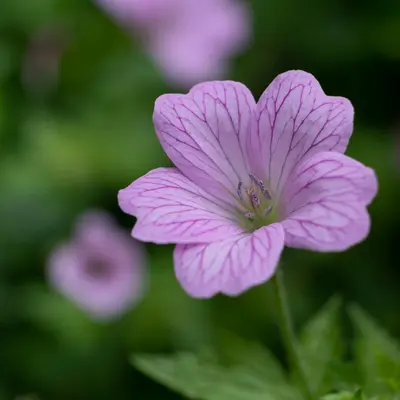
Each stem produces clusters of 1 1/2-3" wide, cup-shaped blooms. Sturdy stems and upward-facing bloom clusters work well as cut flowers. White with blushy, shell-pink petals. Blooms add a cheerful and almost tropical vibe to mixed bouquets and arrangements. Supporting plants for straight stems is recommended. Also known as farewell-to-spring and satin flower.
Harvest
75-85d
Days to harvest
Sun
Full sun to partial shade
Zones
1–11
USDA hardiness
Difficulty
Easy
Planting Timeline
Showing dates for Grace Shell Pink in USDA Zone 7
All Zone 7 flower →Zone Map
Click a state to update dates
Grace Shell Pink · Zones 1–11
Growing Details
Succession Planting
Direct sow every 3 weeks starting in early April through early June in zone 7, stopping well before daytime highs lock in above 85°F. Each sowing gives you a fresh flush of blooms about 75–85 days out, so staggering keeps stems coming for cutting rather than having everything peak and decline at once. In cooler zones (5–6), push the first sowing back to late April to avoid a hard frost clipping young seedlings.
A fall sowing works in mild climates (zones 8–9) — direct sow in September for late-fall and early-winter bloom. In those zones, summer heat is the limiting factor rather than cold, so fall is actually the stronger primary season for Clarkia.
Complete Growing Guide
Each stem produces clusters of 1 1/2-3" wide, cup-shaped blooms. Sturdy stems and upward-facing bloom clusters work well as cut flowers. White with blushy, shell-pink petals. Blooms add a cheerful and almost tropical vibe to mixed bouquets and arrangements. Supporting plants for straight stems is recommended. Also known as farewell-to-spring and satin flower. According to Johnny's Selected Seeds, Grace Shell Pink is 75 - 85 days to maturity, annual, open pollinated. Notable features: Use for Cut Flowers and Bouquets.
Light: Full sun (6 or more hours of direct sunlight a day), Partial Shade (Direct sunlight only part of the day, 2-6 hours). Soil: Sand. Drainage: Good Drainage. Spacing: Less than 12 inches. Growth rate: Rapid. Maintenance: Low. Propagation: Seed.
Harvesting
Grace Shell Pink reaches harvest at 75 - 85 days from sowing per Johnny's Selected Seeds. Expect 1 1/2-3" at peak. As an annual, harvest continues until frost ends the season.
Elongated, cylindrical pods, usually 4-grooved or 8-grooved, holding many tiny, cubical seeds.
Type: Capsule.
Storage & Preservation
Store freshly cut stems in a cool location, ideally in a refrigerator (32-45°F) with high humidity to extend vase life to 7-10 days. Keep stems in fresh, cool water and change water every 2-3 days. Remove lower foliage to prevent bacterial growth. For preservation, air-dry stems by hanging upside-down in a dark, well-ventilated space for 2-3 weeks to create dried arrangements. Press individual blooms between newspaper for floral crafts and scrapbooking. Alternatively, preserve color and form using silica gel, which maintains bloom shape for longer-lasting decorative use.
History & Origin
Grace Shell Pink is open-pollinated, meaning seed saved from healthy plants will produce true-to-type offspring. Listed in the Johnny's Selected Seeds catalog.
Origin: Western North America, Southern South America
Advantages
- +Large 1.5-3 inch cup-shaped blooms provide impressive visual impact in arrangements.
- +Sturdy stems and upright clusters make excellent long-lasting cut flowers.
- +Blushy shell-pink and white coloring adds elegant, tropical charm to bouquets.
- +Easy to grow variety requires minimal gardening experience or specialized care.
- +Blooms within 75-85 days, offering relatively quick gratification for impatient gardeners.
Considerations
- -Requires stem support structures to maintain straight, quality stems for cutting.
- -Prefers cool-season growing conditions; may struggle or bolt in hot climates.
- -Limited color range restricts design flexibility in predominantly pink-themed arrangements.
Companion Plants
Marigolds and sweet alyssum are the most practical companions here. French marigold varieties like 'Petite Gold' deter aphids and whiteflies through scent compounds in their foliage, and they bloom on a similar schedule to Clarkia, so the pairing holds together visually without much planning. Sweet alyssum draws in parasitic wasps and hoverflies — the ones that actively work through aphid colonies — and its low spreading habit stays out of Clarkia's light. Nasturtiums pull double duty: they act as a trap crop that pulls aphid pressure away from nearby stems, and they reseed freely enough that you're not replanting them from scratch every year.
Black walnut is a firm no. The roots and decomposing leaf litter release juglone, a phenolic compound that interferes with root respiration in sensitive plants, and Clarkia has little tolerance for it. Sunflowers and eucalyptus both shed allelopathic residues into the soil that can suppress germination and early root development in neighboring annuals — keep Grace Shell Pink at least 10–15 feet clear of any established planting of either.
Plant Together
Marigolds
Repel aphids, whiteflies, and nematodes while attracting beneficial insects
Sweet Alyssum
Attracts beneficial predatory insects and provides ground cover
Nasturtiums
Act as trap crops for aphids and cucumber beetles, drawing pests away
Zinnia
Attracts pollinators and beneficial insects while providing color contrast
Cosmos
Attracts beneficial insects and creates attractive height variation in garden beds
Lavender
Repels moths, fleas, and mosquitoes while attracting pollinators
Catmint
Deters ants, aphids, and rodents while being drought tolerant
Petunias
Repel aphids, tomato hornworms, and squash bugs
Keep Apart
Black Walnut
Produces juglone toxin that inhibits growth and can kill sensitive plants
Sunflowers
Release allelopathic compounds that can stunt nearby plant growth
Eucalyptus
Produces allelopathic oils that inhibit germination and growth of other plants
Troubleshooting Grace Shell Pink
What you'll see, why it happens, and what to do about it.
Seedlings collapse at soil level, stems pinched and brown at the base
Likely Causes
- Damping off (Pythium or Fusarium spp.) — fungal rot triggered by overwatering and poor airflow around seedlings
- Sowing too densely, keeping the surface constantly wet
What to Do
- 1.Water from below or let the surface dry out between waterings — Clarkia does not want wet feet
- 2.Thin seedlings to at least 6 inches apart as soon as they're big enough to handle
- 3.If starting indoors, run a small fan nearby for 30 minutes a day to move air across the tray
Leaves develop powdery white coating, usually starting on upper surfaces in mid to late season
Likely Causes
- Powdery mildew (Erysiphe spp.) — common on Clarkia once temperatures swing between warm days and cool nights, especially when plants are crowded
What to Do
- 1.Pull out and trash the worst-affected stems — don't compost them
- 2.Spray remaining foliage with a diluted solution of 1 tablespoon baking soda per gallon of water, applied weekly
- 3.Space plants 9–12 inches apart from the start; mildew almost always gets worse in tight stands
Flower buds forming but failing to open, or blooms shriveling within a day or two of opening
Likely Causes
- Heat stress — Grace Shell Pink, like most Clarkia, stops performing well once daytime highs consistently exceed 85°F
- Insufficient water during bud development
What to Do
- 1.Time your sowing so bloom lands before summer heat peaks — in zone 7, seeds in the ground by mid-April is the target
- 2.Water deeply once or twice a week during bud set rather than light daily sprinkles
- 3.Once sustained heat arrives, pull spent plants and plan a fall resowing for zones 8–9 where Clarkia can cycle again
Sparse, leggy growth with few flower buds despite healthy-looking foliage
Likely Causes
- Too much shade — Grace Shell Pink needs at least 4 hours of direct sun to bloom well
- Excess nitrogen from over-fertilizing, which pushes leaf growth at the expense of flowers
What to Do
- 1.Move container plantings to a sunnier spot; in-ground beds with fewer than 4 hours of direct sun are the wrong home for this variety
- 2.Skip the high-nitrogen fertilizer — if you've already amended with compost, that's likely sufficient
- 3.Pinch the growing tips once when plants reach 6 inches tall to encourage branching and more flower stems
Frequently Asked Questions
How long do Grace Shell Pink cut flowers last in a vase?▼
Is Grace Shell Pink easy to grow for beginners?▼
Can you grow Grace Shell Pink in containers?▼
When should I plant Grace Shell Pink?▼
What makes Grace Shell Pink good for cut flower arrangements?▼
How do I preserve Grace Shell Pink blooms after cutting?▼
Zone-by-Zone Planting Calendar
| Zone | Indoor Start | Transplant | Direct Sow | Harvest |
|---|---|---|---|---|
| Zone 1 | May – June | July – August | July – September | — |
| Zone 2 | April – May | June – July | June – August | — |
| Zone 11 | January – January | January – February | January – March | — |
| Zone 12 | January – January | January – February | January – March | — |
| Zone 13 | January – January | January – February | January – March | — |
| Zone 3 | April – May | June – July | June – August | — |
| Zone 4 | March – April | June – June | June – July | — |
| Zone 5 | March – April | May – June | May – July | — |
| Zone 6 | March – April | May – June | May – July | — |
| Zone 7 | February – March | April – May | April – June | — |
| Zone 8 | February – March | April – May | April – June | — |
| Zone 9 | January – February | March – April | March – May | — |
| Zone 10 | January – January | February – March | February – April | — |
Growing Guides from Wind River Greens
Sources & References
External authority sources used in compiling this guide.
- ExtensionNC State Extension
- BreederJohnny's Selected Seeds
See the Methodology page for how this data is sourced, what's AI-assisted, and known limitations.