Coastal Star
Lactuca sativa
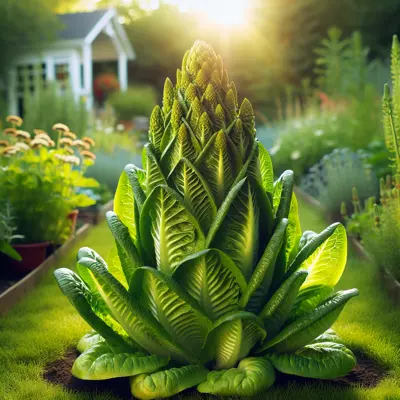
The large, heavy heads are dark green. Heat tolerant. Suitable for marketing as full heads or romaine hearts. Good, sweet flavor. MT0-30. Also available with NOP-compliant pelleting.
Harvest
57d
Days to harvest
Sun
Full sun to partial shade
Zones
2–11
USDA hardiness
Height
6-12 inches
Planting Timeline
Showing dates for Coastal Star in USDA Zone 7
All Zone 7 lettuce →Zone Map
Click a state to update dates
Coastal Star · Zones 2–11
Growing Details
Succession Planting
Direct sow Coastal Star every 14 days starting March 1 in zone 7, and keep going through early May. Each sowing at 57 days to harvest slots into the next, so you're pulling heads in a steady stream rather than getting buried all at once. Once daytime highs are consistently hitting 80°F — typically late May into June — lettuce bolts fast and turns bitter, so stop sowing and let the last planting run its course.
Pick back up with sowings in late August through early October for a fall run. Soil temps above 75°F will suppress germination, so if the ground is still warm in late August, start seeds indoors and transplant out at 3–4 weeks old. Fall heads often come out denser and less bitter than spring anyway — the slower growth in cooling temps gives the leaves time to fill out properly.
Complete Growing Guide
The large, heavy heads are dark green. Heat tolerant. Suitable for marketing as full heads or romaine hearts. Good, sweet flavor. MT0-30. Also available with NOP-compliant pelleting. According to Johnny's Selected Seeds, Coastal Star is 57 days to maturity, annual, open pollinated. Disease resistance includes Corky Root. Notable features: Organic Seeds, Plants, and Supplies.
Light: Full sun (6 or more hours of direct sunlight a day), Partial Shade (Direct sunlight only part of the day, 2-6 hours). Soil: High Organic Matter. Soil pH: Neutral (6.0-8.0). Drainage: Good Drainage, Moist. Height: 0 ft. 6 in. - 1 ft. 0 in. Spread: 0 ft. 6 in. - 1 ft. 0 in. Spacing: Less than 12 inches. Growth rate: Rapid. Maintenance: Medium. Propagation: Seed. Regions: Coastal, Mountains, Piedmont.
Harvesting
Coastal Star reaches harvest at 57 days from sowing per Johnny's Selected Seeds. As an annual, harvest continues until frost ends the season.
Tiny seeds with a dandelion-like tuft (pappus) to aid in wind dispersal.
Color: Brown/Copper. Type: Achene. Length: < 1 inch. Width: < 1 inch.
Harvest time: Summer
Edibility: Leaves can be used raw or cooked in salads, sandwiches, and other dishes. Head lettuce can be stored for 2-3 weeks while leaf and butterhead store for 1-2 weeks.
Storage & Preservation
Fresh Coastal Star keeps 10-14 days in the refrigerator when properly stored. Immediately after harvest, rinse leaves in cold water and spin dry thoroughly. Store whole heads wrapped loosely in paper towels inside perforated plastic bags in your crisper drawer at 32-35°F.
For cut leaves, store in airtight containers lined with paper towels, replacing towels if they become damp. Coastal Star's thick, sturdy leaves maintain their crisp texture longer than most lettuce varieties.
While lettuce doesn't preserve well long-term, you can blanch and freeze Coastal Star for cooked applications like soups or stir-fries. The leaves also work well dehydrated into lettuce powder for seasoning. For immediate use, Coastal Star's heat tolerance makes it excellent for grilling—the thick leaves won't wilt as quickly as standard romaine varieties.
History & Origin
Coastal Star is open-pollinated, meaning seed saved from healthy plants will produce true-to-type offspring. Listed in the Johnny's Selected Seeds catalog.
Origin: Mediterranean to Siberia
Advantages
- +Large, heavy heads produce excellent yields for commercial romaine heart marketing
- +Heat tolerance allows reliable production during warm seasons without premature bolting
- +Sweet, mild flavor resists bitterness even under heat stress conditions
- +Crisp, crunchy texture maintains quality through harvest and transport
Considerations
- -Susceptible to downy mildew and lettuce mosaic virus in humid conditions
- -Moderate difficulty level requires some experience to achieve optimal head formation
- -Multiple pest pressures including aphids, thrips, and leafminers demand active monitoring
Companion Plants
Radishes and carrots are the most practical neighbors for Coastal Star in a market bed. Radishes germinate in 5–7 days and mark your rows while breaking up the top inch of soil; they're out of the ground well before the lettuce canopy fills in at 8–10 inches. Carrots sit at a similar root depth and don't pull hard on the same nutrients. Chives and garlic at the bed edges do a decent job disrupting aphid landings — not magic, but aphids are the primary vector for lettuce mosaic virus, so anything that slows them down matters. Tagetes patula marigolds pull in parasitic wasps that go after leafminer larvae, which NC State Extension flags as a genuine pressure on lettuce.
Keep broccoli and other brassicas well away. In zone 7 Georgia, brassicas and lettuce share the same cool-season window, which makes interplanting them feel logical — but brassicas release allelopathic compounds that suppress lettuce germination. Sunflowers are a different kind of problem: less chemistry, more physics. Their root systems are aggressive and their canopy will shade out a lettuce bed hard by late May, right when you want every bit of morning light.
Plant Together
Chives
Repels aphids and improves lettuce flavor while providing natural pest deterrent
Carrots
Deep roots complement lettuce's shallow roots, efficient space usage without competition
Radishes
Break up soil for lettuce roots and mature quickly, allowing succession planting
Marigolds
Repel nematodes and aphids while attracting beneficial insects
Spinach
Similar growing requirements and can provide shade during hot weather
Garlic
Natural fungicide properties help prevent lettuce diseases and repel pests
Nasturtiums
Trap crop for aphids and cucumber beetles, protecting lettuce from pest damage
Dill
Attracts beneficial insects like ladybugs and lacewings that control lettuce pests
Keep Apart
Broccoli
Heavy feeder that competes for nutrients and can shade out lettuce
Sunflowers
Allelopathic effects inhibit lettuce germination and growth
Parsley
Can attract carrot flies and compete for similar nutrients in the root zone
Nutrition Facts
Per 100g serving. % Daily Value based on 2,000 calorie diet. Source: USDA FoodData Central (FDC #2346388)
Pests & Disease Resistance
Resistance
Corky Root (Intermediate)
Common Pests
Aphids, thrips, leafminers, occasional caterpillars
Diseases
Downy mildew, lettuce mosaic virus, bacterial leaf spot
Troubleshooting Coastal Star
What you'll see, why it happens, and what to do about it.
Seedlings collapse at soil level, stems pinched or rotted off, fuzzy whitish mold visible on topsoil surface
Likely Causes
- Damping off — a complex of soil-borne fungi (Pythium, Rhizoctonia) that thrive in cool, wet, poorly-drained soil
- Reusing the same bed for lettuce 3+ consecutive years without rotation, allowing pathogen buildup
What to Do
- 1.Pull and trash the affected seedlings immediately — don't compost them
- 2.Let the bed surface dry slightly between waterings; damping-off fungi need standing moisture to spread
- 3.Rotate lettuce to a fresh bed next season — NC State Extension's organic IPM guidance specifically calls out reused lettuce beds as a risk factor for disease carryover
Gray-purple fuzz on the undersides of leaves, with yellow angular patches on top, showing up during cool wet stretches
Likely Causes
- Downy mildew (Bremia lactucae) — spores spread fast in humid weather below 65°F
- Dense canopy with poor airflow trapping leaf wetness overnight
What to Do
- 1.Thin to at least 8 inches apart if you direct-sowed thick — crowded plants almost always show this first
- 2.Water at the base, not overhead, and water in the morning so leaves dry before nightfall
- 3.Strip and bag affected outer leaves; if more than a third of the head is involved, pull the plant and resow
Leaves mottled yellow-green with mosaic patterning, younger leaves crinkled or stunted, no obvious insect visible at first glance
Likely Causes
- Lettuce mosaic virus (LMV) — transmitted by aphids, which congregate on leaf undersides and are easy to miss
- Infected transplants or nearby weedy hosts carrying the virus into the bed
What to Do
- 1.Flip leaves and check undersides for aphid colonies — a strong jet of water dislodges most of them without any spray
- 2.Pull any plant showing mosaic symptoms the day you spot it; LMV has no cure and aphids will move it to healthy heads within days
- 3.Lay reflective silver mulch under young transplants — it disorients incoming aphids before they land
Frequently Asked Questions
How long does Coastal Star lettuce take to grow?▼
Can you grow Coastal Star lettuce in summer heat?▼
Is Coastal Star lettuce good for beginners?▼
Can you grow Coastal Star lettuce in containers?▼
What does Coastal Star lettuce taste like?▼
When should I plant Coastal Star lettuce?▼
Zone-by-Zone Planting Calendar
| Zone | Indoor Start | Transplant | Direct Sow | Harvest |
|---|---|---|---|---|
| Zone 3 | — | — | May – June | July – October |
| Zone 4 | — | — | April – June | June – October |
| Zone 5 | — | — | April – May | June – November |
| Zone 6 | — | — | April – May | June – November |
| Zone 7 | — | — | March – May | May – November |
| Zone 8 | — | — | March – April | May – December |
| Zone 9 | — | — | February – March | April – December |
| Zone 10 | — | — | January – March | March – December |
| Zone 1 | — | — | June – July | July – September |
| Zone 2 | — | — | May – July | July – September |
| Zone 11 | — | — | January – February | February – December |
| Zone 12 | — | — | January – February | February – December |
| Zone 13 | — | — | January – February | February – December |
Growing Guides from Wind River Greens
Sources & References
External authority sources used in compiling this guide.
- BreederJohnny's Selected Seeds
- USDAUSDA FoodData Central
See the Methodology page for how this data is sourced, what's AI-assisted, and known limitations.