Salanova Green Oakleaf
Lactuca sativa 'Salanova Green Oakleaf'
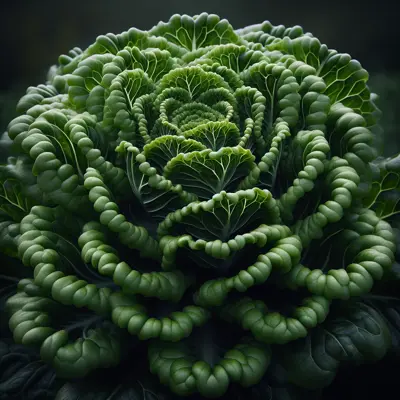
A revolutionary multi-leaf lettuce that produces dozens of individual leaves from a single cut, eliminating tedious leaf-by-leaf harvesting. This innovative breeding breakthrough combines the classic oakleaf shape and mild flavor with incredible convenience – one head yields enough perfectly sized leaves for an entire salad. The compact, uniform plants are ideal for small gardens and containers while delivering restaurant-quality results.
Harvest
55-65d
Days to harvest
Sun
Full sun to partial shade
Zones
2–11
USDA hardiness
Height
6-12 inches
Planting Timeline
Showing dates for Salanova Green Oakleaf in USDA Zone 7
All Zone 7 lettuce →Zone Map
Click a state to update dates
Salanova Green Oakleaf · Zones 2–11
Growing Details
Succession Planting
Direct sow Salanova Green Oakleaf every 14 days starting around March 1, and keep that cadence going through late April. Once daytime highs are consistently above 80°F, lettuce bolts fast and turns bitter — at that point, stop and let the bed rest. Pick back up with sowings in late August through early October for a fall run; days to harvest stretch toward the longer end of the 55-65 day window as light drops off in autumn, so count backward from your first expected frost to pin your last safe sow date.
Partial shade buys maybe a week of extra time at the tail end of the spring window, not a month — it's not worth redesigning a bed for. The fall succession tends to be the cleaner crop anyway: slower to bolt, fewer aphid pressure spikes, and the heads hold better after cutting.
Complete Growing Guide
Start Salanova Green Oakleaf seeds indoors four to six weeks before your last spring frost date, sowing them in seed trays filled with moist seed-starting mix. Press seeds gently into the surface—they need light to germinate—and maintain temperatures between 60–70°F. Once seedlings develop their first true leaves, thin them or transplant into individual cells. Alternatively, direct sow seeds outdoors two to three weeks before your last frost, as lettuce tolerates light frosts well. For fall crops, sow eight to ten weeks before your first autumn frost. Succession planting every two to three weeks ensures continuous harvests throughout the growing season, taking full advantage of this variety's quick 55–65 day maturity window.
Prepare garden beds or containers with rich, well-draining soil amended with compost or aged manure; lettuce prefers slightly acidic to neutral pH between 6.0 and 7.0. Space transplants eight inches apart in rows or containers—Salanova Green Oakleaf's compact habit fits beautifully in small spaces, and tighter spacing than traditional heading lettuces works perfectly here. Direct-sown seeds should be thinned to the same spacing once they develop true leaves. Sow seeds just barely covered with soil, only a quarter-inch deep.
Water consistently to keep soil evenly moist but not waterlogged; aim for one to one-and-a-half inches weekly, adjusting for rainfall. Morning watering helps prevent fungal issues on the foliage. Feed with a balanced, water-soluble fertilizer every two weeks, or work in a slow-release organic fertilizer at planting time. Salanova Green Oakleaf doesn't demand heavy feeding like fruiting crops, but consistent moisture and modest nitrogen support vigorous leaf production.
Monitor closely for aphids, which congregate on new growth and can multiply rapidly in warm weather—spray with insecticidal soap at first sighting. Slugs enjoy lettuce; use beer traps or hand-pick in early morning. Flea beetles create small holes in leaves; floating row covers protect young plants effectively. Watch for downy mildew, appearing as pale patches on leaf undersides in cool, humid conditions; improve air circulation and avoid overhead watering. Lettuce mosaic virus causes mottling and distortion; remove infected plants immediately and control aphids, which spread it.
The critical mistake gardeners make with Salanova Green Oakleaf is harvesting too early or all at once. This variety's revolutionary design means you don't cut the entire head. Instead, wait until the plant reaches full size at around day 55–65, then harvest outer leaves as needed, leaving the center to continue producing. You'll harvest dozens of perfectly-sized leaves from one plant over weeks, not days. Patience with maturity unlocks the full potential of this innovative lettuce.
Harvesting
Salanova Green Oakleaf reaches harvest at 55 days from sowing per Johnny's Selected Seeds. As an annual, harvest continues until frost ends the season.
Tiny seeds with a dandelion-like tuft (pappus) to aid in wind dispersal.
Color: Brown/Copper. Type: Achene. Length: < 1 inch. Width: < 1 inch.
Harvest time: Summer
Edibility: Leaves can be used raw or cooked in salads, sandwiches, and other dishes. Head lettuce can be stored for 2-3 weeks while leaf and butterhead store for 1-2 weeks.
Storage & Preservation
Store freshly harvested Salanova Green Oakleaf unwashed in the refrigerator crisper drawer, wrapped loosely in damp paper towels inside a perforated plastic bag. This maintains optimal humidity while allowing air circulation. Properly stored, it stays fresh for 7-10 days – longer than most lettuce varieties due to its sturdy leaf structure.
Wash leaves only when ready to use, as excess moisture accelerates decay. For best flavor and texture, use within 5 days of harvest. Unlike heartier greens, lettuce doesn't freeze, can, or dry well. However, you can extend the harvest season by succession planting every 2 weeks, ensuring a continuous supply of fresh leaves. Consider fermenting older outer leaves into a mild sauerkraut-style condiment, though this is uncommon for lettuce varieties.
History & Origin
Salanova Green Oakleaf is open-pollinated, meaning seed saved from healthy plants will produce true-to-type offspring. Listed in the Johnny's Selected Seeds catalog.
Origin: Mediterranean to Siberia
Advantages
- +Multiple leaves from single cut eliminates tedious individual harvesting
- +Compact uniform plants fit perfectly in small gardens and containers
- +Mild sweet flavor with tender texture delivers restaurant-quality salad results
- +55-65 day maturity provides relatively quick harvest for home gardeners
- +Classic oakleaf shape appeals to salad enthusiasts seeking visual appeal
Considerations
- -Vulnerable to downy mildew and lettuce mosaic virus in humid climates
- -Susceptible to aphids slugs and flea beetles requiring pest management
- -Requires consistent moisture and favorable conditions for optimal leaf production
Companion Plants
Radishes and chives are the two neighbors that actually pull their weight here. Radishes germinate in 5-7 days and can be tucked between lettuce starts to break soil crust and draw flea beetles away from the lettuce — the beetles tend to key in on one host, and radish leaves take the hit instead. Chives deter aphids through scent and top out around 12 inches, so they won't shade a 6-inch lettuce head in any meaningful way. Nasturtiums work differently: aphid colonies tend to cluster on nasturtium stems first, which concentrates them in one place where a hard spray from a hose clears them out before they move over.
Broccoli is worth keeping a bed away — not because of dramatic chemistry, but because it competes at the same root depth (roughly the top 6 inches) for calcium and moisture, and it hosts many of the same aphid species that will migrate straight onto Salanova once the brassica is harvested or stressed. Black walnut trees are a harder problem: juglone, the allelopathic compound they release through roots and leaf litter, can suppress leafy crops — don't site a lettuce bed anywhere near the root zone of an established tree.
Plant Together
Chives
Repels aphids and other soft-bodied insects that commonly attack lettuce
Marigolds
Deters nematodes and aphids while attracting beneficial predatory insects
Radishes
Loosens soil for lettuce roots and deters flea beetles and aphids
Carrots
Deep roots don't compete with shallow lettuce roots, and carrots help break up soil
Nasturtiums
Acts as trap crop for aphids and cucumber beetles, protecting lettuce
Spinach
Similar growing requirements and harvest times, efficient use of garden space
Parsley
Attracts beneficial insects like hoverflies that prey on lettuce pests
Dill
Attracts ladybugs and parasitic wasps that control aphids on lettuce
Keep Apart
Broccoli
Heavy feeder that competes aggressively for nitrogen and can shade delicate lettuce
Sunflowers
Produces allelopathic chemicals that inhibit lettuce germination and growth
Walnut Trees
Releases juglone, a toxic compound that severely stunts or kills lettuce plants
Nutrition Facts
Per 100g serving. % Daily Value based on 2,000 calorie diet. Source: USDA FoodData Central (FDC #2346388)
Pests & Disease Resistance
Resistance
Good resistance to tip burn and bolting
Common Pests
Aphids, slugs, flea beetles
Diseases
Downy mildew, lettuce mosaic virus
Troubleshooting Salanova Green Oakleaf
What you'll see, why it happens, and what to do about it.
Seedlings collapse at soil level within the first 7-10 days after transplanting or germination, sometimes with a fuzzy whitish mold visible on the soil surface nearby
Likely Causes
- Damping off — a complex of soil-borne fungi (Pythium spp., Rhizoctonia solani) that thrives in cold, wet, poorly-drained soil
- Replanting lettuce in the same raised bed year after year, which lets pathogen populations build up (NC State Extension's IPM case study flags exactly this pattern)
What to Do
- 1.Hold off watering until the top inch of soil has dried slightly — cool, soggy conditions are what these pathogens need to spread
- 2.Rotate lettuce out of any bed that's had two or more consecutive seasons of it; move to a spot with no prior Lactuca history
- 3.If starting indoors, use fresh, sterile seed-starting mix — never garden soil — and make sure trays have drainage holes
Gray-white fuzzy coating on the undersides of older leaves, with pale yellow patches on the upper surface, appearing during cool, humid stretches
Likely Causes
- Downy mildew (Bremia lactucae) — a water mold, not a true fungus, that spreads quickly when nights drop below 65°F and leaves stay wet
- Overcrowded planting that traps humidity between heads
What to Do
- 1.Pull and trash (don't compost) any badly affected leaves or whole plants immediately — spores travel by wind and water splash
- 2.Space plants the full 6-8 inches apart and switch to drip irrigation or morning watering to keep foliage dry overnight
- 3.Salanova carries partial resistance to some Bremia races, but prolonged wet weather can still break through — act at the first sign rather than waiting to see how bad it gets
Frequently Asked Questions
How long does Salanova Green Oakleaf take to grow?▼
Can you grow Salanova Green Oakleaf in containers?▼
What does Salanova Green Oakleaf taste like?▼
Is Salanova Green Oakleaf good for beginners?▼
When should I plant Salanova Green Oakleaf?▼
Salanova vs regular oakleaf lettuce - what's the difference?▼
Zone-by-Zone Planting Calendar
| Zone | Indoor Start | Transplant | Direct Sow | Harvest |
|---|---|---|---|---|
| Zone 3 | — | — | May – June | July – October |
| Zone 4 | — | — | April – June | June – October |
| Zone 5 | — | — | April – May | June – November |
| Zone 6 | — | — | April – May | June – November |
| Zone 7 | — | — | March – May | May – November |
| Zone 8 | — | — | March – April | May – December |
| Zone 9 | — | — | February – March | April – December |
| Zone 10 | — | — | January – March | March – December |
| Zone 1 | — | — | June – July | August – September |
| Zone 2 | — | — | May – July | July – September |
| Zone 11 | — | — | January – February | February – December |
| Zone 12 | — | — | January – February | February – December |
| Zone 13 | — | — | January – February | February – December |
Growing Guides from Wind River Greens
Sources & References
External authority sources used in compiling this guide.
- BreederJohnny's Selected Seeds
- USDAUSDA FoodData Central
See the Methodology page for how this data is sourced, what's AI-assisted, and known limitations.