Giant Orange
Tagetes erecta
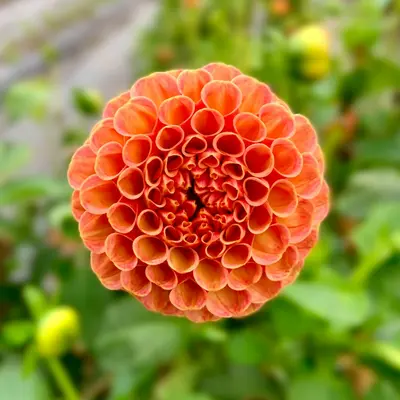
Large flower heads, avg. 3", sit atop sturdy plants. These giant marigolds are prolific producers for cuts as well as excellent garden performers. Sturdy, uniform flower heads are also useful for marigold garlands. Also known as African marigold, American marigold, and Aztec marigold. Edible Flowers: Use the flowers to dress up salads and desserts or cooked in egg or rice dishes. Flavor is floral with hints of citrus and spice, and slightly bitter. Remove the petals from the flower base before consuming as the base can be quite bitter.
Harvest
70-90d
Days to harvest
Sun
Full sun to partial shade
Zones
2–11
USDA hardiness
Height
1-4 feet
Planting Timeline
Showing dates for Giant Orange in USDA Zone 7
All Zone 7 flower →Zone Map
Click a state to update dates
Giant Orange · Zones 2–11
Growing Details
Complete Growing Guide
Large flower heads, avg. 3", sit atop sturdy plants. These giant marigolds are prolific producers for cuts as well as excellent garden performers. Sturdy, uniform flower heads are also useful for marigold garlands. Also known as African marigold, American marigold, and Aztec marigold. Edible Flowers: Use the flowers to dress up salads and desserts or cooked in egg or rice dishes. Flavor is floral with hints of citrus and spice, and slightly bitter. Remove the petals from the flower base before consuming as the base can be quite bitter. According to Johnny's Selected Seeds, Giant Orange is 70 - 90 days to maturity, annual, hybrid (f1). Notable features: Easy Choice, Use for Cut Flowers and Bouquets, Grows Well in Containers, Edible Flowers.
Light: Full sun (6 or more hours of direct sunlight a day), Partial Shade (Direct sunlight only part of the day, 2-6 hours). Soil: Clay, High Organic Matter, Loam (Silt), Sand. Soil pH: Acid (<6.0), Alkaline (>8.0), Neutral (6.0-8.0). Drainage: Good Drainage, Occasionally Dry. Height: 1 ft. 0 in. - 4 ft. 0 in.. Spread: 1 ft. 0 in. - 2 ft. 0 in.. Spacing: Less than 12 inches, 12 inches-3 feet. Growth rate: Medium. Maintenance: Low. Propagation: Seed. Regions: Coastal, Mountains, Piedmont.
Harvesting
Giant Orange reaches harvest at 70 - 90 days from sowing per Johnny's Selected Seeds. Expect 3" at peak. As an annual, harvest continues until frost ends the season.
Color: Black. Type: Achene.
Harvest time: Fall
Edibility: Sap or juice can cause a rash.
Storage & Preservation
Fresh Giant Orange blooms last 5-7 days in a clean vase with fresh water changed daily. For cut flowers, strip lower stem leaves, cut stems on a 45-degree angle, and place immediately in cool water with floral preservative. Store arrangements in a cool room (65-70°F) away from ripening fruit and direct sunlight.
For long-term preservation, dry petals by laying them in a single layer on a clean cloth in a warm, dark, well-ventilated area for 10-14 days until papery and brittle; store in airtight containers away from moisture. Alternatively, freeze petals in ice cubes with a small amount of water for later use in desserts—they retain color and can be used directly in beverages or melted into sauces. Fresh petals may also be candied with egg white and sugar for decorative, shelf-stable garnishes lasting several weeks.
History & Origin
Giant Orange is an F1 hybrid developed through controlled cross-pollination. Listed in the Johnny's Selected Seeds catalog.
Origin: Mexico to Guatemala
Advantages
- +Produces large 3-inch flower heads perfect for cutting and arranging
- +Prolific bloomer yields abundant flowers throughout the growing season
- +Sturdy stems and uniform flowers ideal for creating marigold garlands
- +Edible petals add floral citrus-spice flavor to salads and desserts
- +Easy to grow with relatively quick 70-90 day maturation time
Considerations
- -Flower base tastes very bitter and must be removed before eating
- -Susceptible to spider mites and powdery mildew in humid conditions
- -Requires deadheading to maintain continuous blooms and plant appearance
Companion Plants
Giant Orange marigolds do something most flowers don't: Tagetes erecta roots produce thiophene compounds that suppress root-knot nematodes (Meloidogyne spp.) in the surrounding soil. The catch is it takes a full growing season to build up, so you're not protecting this year's crop so much as improving the bed for whatever goes in next spring. Pairing them with basil or parsley in the same border makes practical sense — similar water needs, full-sun preference, and the mixed scent profile confuses aphids and thrips enough to slow colonization.
Zinnias, cosmos, and sunflowers pull in parasitic wasps and predatory beetles that keep soft-bodied pest populations from getting out of hand. Planting any combination of these within 10-15 feet keeps beneficial insect habitat continuous through the season rather than patchy. Nasturtiums work a bit differently — they're sticky and pungent enough that aphids preferentially land on them, making them useful as a draw-away crop when planted at the bed edges.
Black walnut (Juglans nigra) is the real problem to avoid. It releases juglone through its root system, and Tagetes is sensitive enough to show wilting and stunting well inside the drip line. Fennel is a subtler issue — it produces allelopathic compounds that gradually suppress neighbors, and it tends to get worse as the season goes on. Fennel does better with its own isolated patch than shoehorned into a mixed border.
Plant Together
Marigolds
Repel aphids, whiteflies, and nematodes while attracting beneficial insects
Nasturtiums
Act as trap crops for aphids and cucumber beetles, edible flowers complement orange blooms
Zinnias
Attract pollinators and beneficial predatory insects, similar growing requirements
Cosmos
Attract beneficial insects and pollinators, provide structural support in mixed plantings
Sunflowers
Provide wind protection and attract pollinators, complementary warm-toned flowers
Basil
Repels thrips, aphids, and flies while attracting beneficial pollinators
Parsley
Attracts beneficial parasitic wasps and hoverflies that control garden pests
Cleome
Attracts beneficial insects and provides vertical interest without competing for nutrients
Keep Apart
Black Walnut Trees
Release juglone toxin that inhibits growth and can kill sensitive flowering plants
Fennel
Produces allelopathic compounds that inhibit growth of most garden plants
Eucalyptus
Releases allelopathic chemicals that suppress growth of nearby flowering plants
Pests & Disease Resistance
Common Pests
Spider mites, thrips, aphids
Diseases
Root rot, powdery mildew, leaf spot
Troubleshooting Giant Orange
What you'll see, why it happens, and what to do about it.
Fine webbing on the undersides of leaves, foliage looking dusty or stippled, especially during hot dry spells
Likely Causes
- Two-spotted spider mite (Tetranychus urticae) — populations explode when temperatures stay above 85°F and humidity drops
- Overhead watering that's too infrequent, leaving plants water-stressed and more susceptible
What to Do
- 1.Blast the undersides of leaves with a strong stream of water every 2-3 days — it physically knocks mites off and they rarely climb back
- 2.Apply insecticidal soap or neem oil in the early morning, making sure to coat leaf undersides; repeat every 5-7 days until population drops
- 3.Don't let the soil go bone dry — consistent moisture makes plants less attractive to mites
White powdery coating on upper leaf surfaces, usually appearing in late summer when nights cool down but days stay warm
Likely Causes
- Powdery mildew (Erysiphe cichoracearum or related species) — spreads by airborne spores and thrives in the 65-80°F range with poor airflow
- Plants spaced too close, below the 12-inch minimum, trapping humidity around the foliage
What to Do
- 1.Remove and trash (don't compost) the worst-affected leaves immediately
- 2.Spray a diluted baking soda solution (1 tablespoon per gallon of water) or a potassium bicarbonate product on remaining foliage — reapply after rain
- 3.Next season, stick to 12-18 inch spacing and avoid wetting foliage when watering
Frequently Asked Questions
How long does Giant Orange marigold take to flower from seed?▼
Is Giant Orange marigold good for beginners?▼
Can you grow Giant Orange marigold in containers?▼
What do Giant Orange marigold flowers taste like?▼
When should I plant Giant Orange marigold seeds?▼
How often should I water and fertilize Giant Orange marigolds?▼
Zone-by-Zone Planting Calendar
| Zone | Indoor Start | Transplant | Direct Sow | Harvest |
|---|---|---|---|---|
| Zone 1 | May – June | July – August | July – September | — |
| Zone 2 | April – May | June – July | June – August | — |
| Zone 11 | January – January | January – February | January – March | — |
| Zone 12 | January – January | January – February | January – March | — |
| Zone 13 | January – January | January – February | January – March | — |
| Zone 3 | April – May | June – July | June – August | — |
| Zone 4 | March – April | June – June | June – July | — |
| Zone 5 | March – April | May – June | May – July | — |
| Zone 6 | March – April | May – June | May – July | — |
| Zone 7 | February – March | April – May | April – June | — |
| Zone 8 | February – March | April – May | April – June | — |
| Zone 9 | January – February | March – April | March – May | — |
| Zone 10 | January – January | February – March | February – April | — |
Growing Guides from Wind River Greens
Sources & References
External authority sources used in compiling this guide.
- BreederJohnny's Selected Seeds
See the Methodology page for how this data is sourced, what's AI-assisted, and known limitations.