Majesty Palm
Ravenea rivularis
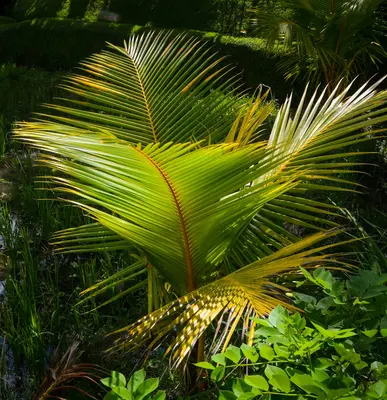
An elegant tropical palm that brings instant resort vibes to any living space with its graceful, arching fronds and impressive height potential. Native to Madagascar, this palm creates a stunning focal point and naturally humidifies the air while tolerating lower light conditions better than many palms. Its lush, feathery foliage transforms any room into a tropical paradise.
Sun
Partial shade
Zones
10–11
USDA hardiness
Height
5-100 feet
Complete Growing Guide
Light: Partial Shade (Direct sunlight only part of the day, 2-6 hours). Soil: Clay, High Organic Matter, Loam (Silt). Soil pH: Neutral (6.0-8.0). Drainage: Moist, Occasionally Wet. Height: 5 ft. 0 in. - 100 ft. 0 in.. Spread: 5 ft. 0 in. - 20 ft. 0 in.. Spacing: 3 feet-6 feet, 6-feet-12 feet, 12-24 feet. Growth rate: Medium. Maintenance: Low. Propagation: Division.
Harvesting
The fruits are small, round, fleshy, and are initially green and turn orangish-red when they mature.
Color: Green, Orange, Red/Burgundy. Type: Berry.
Storage & Preservation
Majesty Palms are living houseplants, not harvested produce, so traditional storage doesn't apply. Keep the potted plant in a warm location (65-75°F) with moderate humidity (40-50%). Maintain consistent soil moisture without waterlogging. The plant thrives long-term with proper care—potentially 10+ years indoors. Preservation involves regular misting to maintain humidity levels, periodic pruning of dead fronds to encourage new growth, and seasonal fertilizing during growing months (spring/summer). Repotting every 2-3 years refreshes soil and prevents root-bound conditions, extending plant longevity.
History & Origin
The Majesty Palm originates from Madagascar, where Ravenea rivularis grows naturally in tropical rainforest environments along riverine areas. While comprehensive breeding documentation remains limited in widely accessible horticultural records, this species entered the ornamental plant trade through the global houseplant industry's expansion in the twentieth century. The plant's common name "Majesty Palm" reflects its regal appearance rather than a formal cultivar designation or specific breeding program. Commercial propagation has primarily occurred through seed collection and nursery cultivation rather than deliberate hybridization efforts, making it a direct selection from wild Madagascan populations adapted for indoor growing conditions.
Origin: Madagascar
Advantages
- +Creates a dramatic tropical focal point with graceful, arching fronds
- +Tolerates lower light better than most other palm varieties
- +Naturally humidifies indoor air while improving room aesthetics
- +Reaches impressive heights, perfect for filling vertical spaces
- +Brings resort-like ambiance to any living space instantly
Considerations
- -Highly susceptible to spider mites, scale insects, and mealybugs
- -Prone to root rot if soil drainage and watering aren't perfect
- -Develops frizzle top from nutrient deficiency without proper feeding
- -Requires consistent moderate conditions and dislikes frequent relocation
Companion Plants
The best indoor neighbors for a Majesty Palm are plants that want the same conditions: consistent moisture, moderate indirect light, and humidity above 50%. Boston Fern, Prayer Plant, and Peace Lily all sit comfortably in that range, and grouping 3 or 4 of them together creates a slightly more humid microclimate around all of them — transpiration from that many leaves adds up. Spider Plant and Pothos tolerate drier spells better than the palm does, but they're fine in adjacent pots and don't compete for root space as long as you're not cramming them into the same container.
Jade Plant, Cactus, and Lavender are the ones to keep on a completely different watering schedule — and realistically, a different shelf. The problem isn't chemistry; it's that cacti and jade need to dry out fully between waterings and want 6+ hours of direct sun. Put one of those next to a Majesty Palm and you'll end up overwatering the succulent or underwatering the palm every single time. Lavender adds a third incompatible demand: dry, gritty soil and full sun. These aren't bad plants, they just belong in a different room.
Plant Together
Boston Fern
Similar humidity and indirect light requirements, creates beneficial microclimate
Peace Lily
Shares preference for consistent moisture and filtered light, helps maintain humidity
Philodendron
Compatible watering schedule and light needs, both prefer warm temperatures
Spider Plant
Thrives in similar bright, indirect light and helps purify air
Pothos
Similar humidity preferences and creates lush tropical grouping
Rubber Plant
Complementary growth habits and shared preference for bright, indirect light
Monstera
Creates tropical ecosystem with similar temperature and humidity needs
Prayer Plant
Benefits from higher humidity created by palm's transpiration
Keep Apart
Jade Plant
Requires completely different watering schedule - drought tolerance vs consistent moisture
Cactus
Opposite humidity and watering needs - desert vs tropical conditions
Lavender
Prefers dry soil and full sun, incompatible with palm's moisture requirements
Pests & Disease Resistance
Resistance
Susceptible to fungal issues in poor drainage or low air circulation
Common Pests
Spider mites, scale insects, mealybugs
Diseases
Root rot, leaf spot, frizzle top from nutrient deficiency
Troubleshooting Majesty Palm
What you'll see, why it happens, and what to do about it.
Leaf tips and edges turning brown and crispy, working inward from the tip
Likely Causes
- Low humidity — indoor air, especially near heating or AC vents, drops well below the 50%+ this palm needs
- Inconsistent watering, letting the root zone dry out past the top inch before watering again
- Fluoride or salt buildup from tap water or over-fertilizing
What to Do
- 1.Set a humidifier nearby or place the pot on a pebble tray with standing water (keep the pot bottom above the waterline)
- 2.Check the top inch every 2-3 days and water before it goes completely dry — Ravenea rivularis does not bounce back well from repeated drought stress
- 3.Flush the pot thoroughly every 2-3 months to push out salt buildup, or switch to filtered or rainwater
Tiny webbing on frond undersides, leaves looking dusty or stippled with pale dots
Likely Causes
- Spider mites (Tetranychus urticae) — thrive in dry indoor air, especially in winter when humidity crashes
- Plant stress from low humidity or irregular watering making it more susceptible
What to Do
- 1.Wipe down fronds with a damp cloth to physically remove mites and webbing
- 2.Spray all frond undersides with insecticidal soap or neem oil — repeat every 5-7 days for 3 weeks to break the egg cycle
- 3.Keep humidity at 50% or above; spider mites struggle to establish when the air stays genuinely moist
New fronds emerging pale yellow or yellowish-green, older fronds look washed out
Likely Causes
- Frizzle top — manganese deficiency, common in Ravenea rivularis grown in soil above pH 7.0 or watered heavily with hard tap water, which locks out micronutrients
- Nitrogen deficiency from skipping fertilizer on a plant that's been in the same pot for 12+ months
What to Do
- 1.Test soil pH and target 6.0-6.5; if pH is running high, repot into a fresh palm-specific mix and switch to rainwater or filtered water
- 2.Apply a palm-specific slow-release fertilizer with micronutrients — manganese included — in spring and summer only; stop feeding in fall and winter
- 3.If manganese deficiency is confirmed, a foliar spray of manganese sulfate can show visible improvement within a few weeks
Frequently Asked Questions
How long does a Majesty Palm live indoors?▼
Is Majesty Palm a good houseplant for beginners?▼
Can you grow a Majesty Palm in a container?▼
How often should I water my Majesty Palm?▼
What humidity level does a Majesty Palm need?▼
What pests commonly affect Majesty Palms?▼
Growing Guides from Wind River Greens
Sources & References
External authority sources used in compiling this guide.
- ExtensionNC State Extension
See the Methodology page for how this data is sourced, what's AI-assisted, and known limitations.