Pachysandra
Pachysandra terminalis
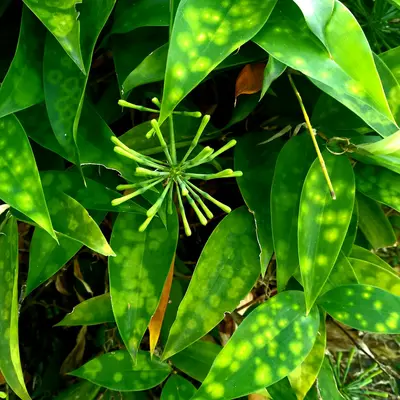
The gold standard for shade ground cover, beloved by gardeners for its glossy evergreen leaves and ability to thrive where grass won't grow. This Japanese native forms dense, weed-suppressing mats under trees and in deep shade areas. Once established, it requires virtually no maintenance while providing year-round green coverage with delicate white flower spikes in spring.
Sun
Partial shade
Zones
4–9
USDA hardiness
Height
6-12 inches
Planting Timeline
Showing dates for Pachysandra in USDA Zone 7
All Zone 7 ground-cover →Zone Map
Click a state to update dates
Pachysandra · Zones 4–9
Growing Details
Complete Growing Guide
Light: Deep shade (Less than 2 hours to no direct sunlight), Partial Shade (Direct sunlight only part of the day, 2-6 hours). Soil: Clay, High Organic Matter, Loam (Silt). Soil pH: Acid (<6.0). Drainage: Good Drainage, Moist, Occasionally Dry. Height: 0 ft. 6 in. - 1 ft. 0 in.. Spread: 1 ft. 0 in. - 1 ft. 6 in.. Spacing: Less than 12 inches. Growth rate: Slow. Maintenance: Low. Propagation: Division, Seed. Regions: Coastal, Mountains, Piedmont.
Harvesting
Fruits are a berry-like drupe, whitish in color, and less than an inch in size. Fruits are rarely seen.
Color: White. Type: Drupe. Length: < 1 inch. Width: < 1 inch.
Storage & Preservation
Pachysandra is an ornamental ground cover plant, not a food product, so traditional storage and preservation methods do not apply. Instead, focus on plant preservation: maintain year-round by keeping soil consistently moist but not waterlogged, apply 2-3 inches of mulch to retain moisture and regulate soil temperature, and prune back any dead or diseased foliage in early spring. Water deeply during dry spells and divide established plants every 3-4 years to rejuvenate patches. Store bare-root divisions in cool, moist conditions before replanting, and protect from extreme winter temperatures in colder climates.
History & Origin
Origin: Japan and North Central China
Advantages
- +Thrives in deep shade where most plants struggle to survive
- +Evergreen foliage provides year-round landscape coverage and visual interest
- +Dense growth naturally suppresses weeds and reduces garden maintenance needs
- +Glossy leaves and spring flower spikes add aesthetic appeal
- +Extremely low maintenance once established in suitable conditions
Considerations
- -Susceptible to pachysandra leaf blight, a serious fungal disease
- -Requires well-drained soil or develops root rot problems quickly
- -Scale insects and spider mites can infest during stress periods
- -Slow to establish and fill in, requiring patience for dense coverage
Companion Plants
Pachysandra does best under the same conditions that suit hostas, astilbe, ferns, and heuchera — dappled shade, consistently moist soil with a pH around 5.5-6.5, and no competition from aggressive sun-lovers. That shared preference is the real reason these pairings work. A hosta planted 18-24 inches back from a pachysandra border isn't doing anything magical; it's just tolerating the same root zone without crowding or shading out the groundcover entirely. Japanese painted fern is a particularly good layering partner because its root system stays shallow and it doesn't spread aggressively enough to muscle through a pachysandra planting over a few seasons.
Azalea and rhododendron are worth singling out. Both prefer the same acidic, well-drained-but-moist conditions, and their canopy provides exactly the 4-6 hours of filtered light pachysandra wants. Plant pachysandra as a skirt around the drip line of established rhododendrons and you solve two problems at once — bare soil under the shrub and a groundcover that struggles in open sun.
Two things to keep away from it: black walnut trees produce juglone, a compound documented to cause decline in sensitive broadleaf plants, and pachysandra planted within 50 feet of a mature specimen tends to thin out and yellow over a season or two rather than dying all at once — which makes the cause easy to miss. Mint is a different problem entirely. It's not toxic; it's just relentless. Runners will thread through the pachysandra bed within a single growing season and become nearly impossible to remove without pulling everything apart.
Plant Together
Hosta
Similar shade and moisture requirements, creates layered texture in woodland gardens
Astilbe
Thrives in same partial shade conditions, adds vertical interest above low pachysandra
Ferns
Complementary shade-loving plants that appreciate similar moist, well-draining soil
Heuchera
Compatible shade perennial that adds colorful foliage contrast to green pachysandra
Azalea
Both prefer acidic soil and partial shade, pachysandra provides living mulch around shrub base
Rhododendron
Shares preference for acidic, well-draining soil and protection from full sun
Japanese Painted Fern
Excellent textural contrast with similar growing conditions in shaded areas
Caladium
Shade-tolerant with colorful leaves that complement pachysandra's solid green coverage
Keep Apart
Black Walnut Tree
Produces juglone toxin that inhibits pachysandra growth and can cause plant death
Mint
Extremely aggressive spreader that will compete with and potentially overtake pachysandra
Full Sun Perennials
Incompatible light requirements lead to poor performance for one or both plants
Pests & Disease Resistance
Resistance
Generally disease resistant, may develop leaf blight in wet conditions
Common Pests
Scale insects, mites in dry conditions
Diseases
Pachysandra leaf blight, root rot in poorly drained soil
Troubleshooting Pachysandra
What you'll see, why it happens, and what to do about it.
Irregular tan or brown blotches spreading across leaves, often with a dark border, plants looking scorched or melted in patches
Likely Causes
- Pachysandra leaf blight (Volutella pachysandrae) — a fungal disease that spreads fast in dense, humid plantings
- Poor airflow from overcrowded spacing under 6 inches
What to Do
- 1.Cut out and bag all affected stems immediately — don't compost them
- 2.Thin the planting to improve airflow; 8-10 inches between plants is better than 6 if your bed stays damp
- 3.Apply a copper-based fungicide according to label rates once you've removed the worst material; repeat every 10-14 days if wet weather continues
Yellowing stems, stunted new growth, and a sticky residue or waxy white crust on stems near the soil line
Likely Causes
- Scale insects (most commonly euonymus scale, Unaspis euonymi, which also attacks pachysandra) — hard to spot until populations build
- Drought-stressed plants in dry summers, which makes them more susceptible to mite feeding as well
What to Do
- 1.Scrub light infestations off stems with a stiff brush and a dilute dish-soap solution
- 2.Apply horticultural oil in early spring before new growth flushes — this smothers overwintering scale crawlers
- 3.Water consistently during dry stretches; plants stressed by 4+ weeks without rain are much easier for scale to colonize
Frequently Asked Questions
How long does it take for Pachysandra to establish and fill in an area?▼
Is Pachysandra a good ground cover for beginners?▼
Can you grow Pachysandra in containers?▼
What are the differences between Japanese and Allegheny Pachysandra?▼
When is the best time to plant Pachysandra?▼
How do you deal with scale insects on Pachysandra?▼
Zone-by-Zone Planting Calendar
Growing Guides from Wind River Greens
Sources & References
External authority sources used in compiling this guide.
- ExtensionNC State Extension
See the Methodology page for how this data is sourced, what's AI-assisted, and known limitations.