Orange Flash
Calendula officinalis
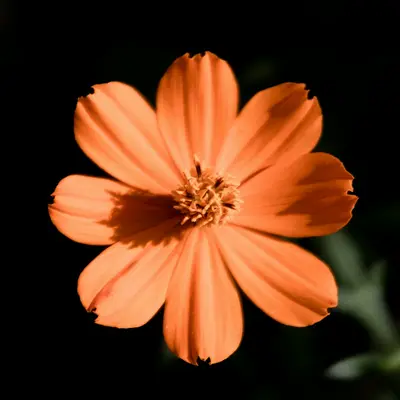
1 1/2-3" blooms have a bronze center with some hints of peach and cream. Uniform plants. Timing, color, and performance are very comparable to Triangle Flashback. Edible Flowers: Petals of the flowers can be used fresh or dried in "flower confetti," soups, soufflés, rice dishes, baked goods, and to garnish desserts. Calendula is a popular choice for brightening up salad mix. Flavor is tangy and slightly bitter. Remove the petals from the flower base before consuming as the base can be quite bitter.
Harvest
50-55d
Days to harvest
Sun
Full sun to partial shade
Zones
2–11
USDA hardiness
Height
12-24 inches
Planting Timeline
Showing dates for Orange Flash in USDA Zone 7
All Zone 7 flower →Zone Map
Click a state to update dates
Orange Flash · Zones 2–11
Growing Details
Succession Planting
Direct sow every 3 weeks starting when soil temperatures reach 60°F, through early summer — in zone 7, that's roughly April 1 through mid-June. Each succession gives you a fresh flush of blooms about 50–55 days out, which lines up well if you're cutting for market or CSA shares. Stop sowing once daytime highs are consistently hitting 85°F; seeds sown into summer heat germinate poorly and the resulting plants tend to stall before they flower.
For a fall crop, resow in late August to early September. Calendula handles light frost well — down to about 25°F — so a fall planting in zone 7 can carry you into November before it gives up.
Complete Growing Guide
1 1/2-3" blooms have a bronze center with some hints of peach and cream. Uniform plants. Timing, color, and performance are very comparable to Triangle Flashback. Edible Flowers: Petals of the flowers can be used fresh or dried in "flower confetti," soups, soufflés, rice dishes, baked goods, and to garnish desserts. Calendula is a popular choice for brightening up salad mix. Flavor is tangy and slightly bitter. Remove the petals from the flower base before consuming as the base can be quite bitter. According to Johnny's Selected Seeds, Orange Flash is 50 - 55 days to maturity, annual, open pollinated. Notable features: Cold Tolerant, Grows Well in Containers, Use for Cut Flowers and Bouquets, Edible Flowers, Attracts Beneficial Insects.
Light: Full sun (6 or more hours of direct sunlight a day), Partial Shade (Direct sunlight only part of the day, 2-6 hours). Soil: Clay, High Organic Matter, Loam (Silt), Sand. Soil pH: Acid (<6.0), Alkaline (>8.0), Neutral (6.0-8.0). Drainage: Good Drainage, Moist. Height: 1 ft. 0 in. - 2 ft. 0 in.. Spread: 1 ft. 0 in. - 2 ft. 0 in.. Maintenance: Medium. Propagation: Seed. Regions: Coastal, Mountains, Piedmont.
Harvesting
Orange Flash reaches harvest at 50 - 55 days from sowing per Johnny's Selected Seeds. Expect 1 1/2-3" at peak. As an annual, harvest continues until frost ends the season.
Seeds ripe from August to November.
Type: Achene.
Harvest time: Fall
Edibility: Flower petals give color to soups, custards, and rice; also used in cookies, vinegars.
Storage & Preservation
Fresh calendula petals can be stored in a breathable container in the refrigerator at 35-40°F for 3-5 days; keep humidity moderate to prevent wilting. For longer preservation, air-dry petals in a cool, dark, well-ventilated space (ideal temperature 60-70°F) for 1-2 weeks, then store in airtight containers away from light. Alternatively, freeze petals in ice cube trays with water for culinary use, lasting 2-3 months. You can also infuse petals into honey or vinegar for extended shelf life and added flavor complexity.
History & Origin
Orange Flash is open-pollinated, meaning seed saved from healthy plants will produce true-to-type offspring. Listed in the Johnny's Selected Seeds catalog.
Origin: Mediterranean
Advantages
- +Blooms in just 50-55 days from seed to flower
- +Uniform plant growth makes spacing and planning easier
- +Edible petals add tangy flavor and visual appeal to dishes
- +Bronze-peach-cream color rivals Triangle Flashback with better performance
Considerations
- -Petals require careful removal to avoid bitter flower base taste
- -Calendula attracts spider mites and powdery mildew in humid conditions
Companion Plants
Sweet alyssum is probably the most useful neighbor here — its tiny flowers run at ground level and draw in parasitic wasps and hoverflies that prey on aphids, which calendula attracts reliably. Nasturtiums work as a trap crop, pulling aphids toward themselves and away from your calendula bed. That sounds backward until you realize you'd rather manage one sacrificial planting than pick aphids off 30 orange flowers. Catmint and lavender add pollinator traffic without root competition — both stay relatively shallow, which means they're not fighting calendula for the same water.
Fennel is the one to avoid planting anywhere nearby. It releases allelopathic compounds through both its roots and decomposing leaf litter that suppress growth in a wide range of annuals — NC State Extension flags it as a poor neighbor for most annual beds, not just calendula. Black walnut causes a different but equally real problem: juglone, a root exudate that builds up in the soil and is toxic to many plants at concentrations that persist even after the tree is gone.
Plant Together
Marigolds
Repel nematodes, aphids, and whiteflies while attracting beneficial insects
Nasturtiums
Act as trap crops for aphids and cucumber beetles, provide ground cover
Sweet Alyssum
Attracts beneficial insects like hoverflies and parasitic wasps for pest control
Petunias
Repel aphids, tomato hornworms, and other garden pests naturally
Zinnia
Attracts pollinators and beneficial predatory insects while providing color contrast
Cosmos
Attracts beneficial insects and provides structural support without competing for nutrients
Catmint
Repels ants, aphids, and rodents while attracting beneficial pollinators
Lavender
Deters pests with aromatic oils and attracts beneficial pollinators like bees
Keep Apart
Black Walnut
Produces juglone toxin that inhibits growth and can kill sensitive flowering plants
Eucalyptus
Releases allelopathic compounds that suppress growth of nearby plants
Fennel
Produces chemicals that inhibit germination and growth of most flowering companions
Troubleshooting Orange Flash
What you'll see, why it happens, and what to do about it.
White powdery coating on leaves and stems, usually showing up mid-summer when nights cool down
Likely Causes
- Powdery mildew (Golovinomyces cichoracearum) — the most common calendula fungal problem, favored by warm days and cool, humid nights
- Poor airflow from crowded planting
What to Do
- 1.Remove and bag the worst-affected leaves — don't compost them
- 2.Spray with a diluted potassium bicarbonate solution (1 tablespoon per gallon of water) every 7 days until symptoms stop spreading
- 3.Give plants at least 12 inches of space next time; this fungus thrives where air sits still
Flower buds forming but failing to open, or opening with distorted, crinkled petals
Likely Causes
- Thrips (Frankliniella occidentalis) feeding inside developing buds before they open
- Aphid colonies on new growth diverting plant energy
What to Do
- 1.Tap a bud over a white sheet of paper — if tiny, fast-moving specks fall out, you have thrips; treat with spinosad spray at dusk to protect pollinators
- 2.Check stem tips for aphid clusters and knock them off with a firm stream of water, or apply insecticidal soap directly to colonies
- 3.Deadhead any already-distorted blooms so the plant redirects energy to clean buds
Leaves developing small, dark brown to black spots with yellow halos, starting on lower growth
Likely Causes
- Alternaria leaf spot (Alternaria calendulae) — a fungal pathogen that splashes up from soil during rain or overhead watering
- Overhead irrigation keeping foliage wet for extended periods
What to Do
- 1.Strip affected lower leaves and dispose of them in the trash, not the compost pile
- 2.Switch to drip or base watering — foliage that stays wet more than a few hours a day is the main driver here
- 3.Apply a copper-based fungicide every 10 days if the infection keeps spreading
Plant stops producing flowers entirely in mid-summer despite looking otherwise healthy
Likely Causes
- Heat stress — Orange Flash slows or halts bloom production when daytime temperatures consistently exceed 85–90°F
- Plant has been allowed to set seed on spent blooms, signaling it to stop producing
What to Do
- 1.Deadhead every 2–3 days; a calendula that's setting seed thinks its job is done and acts accordingly
- 2.If temperatures are above 90°F for more than a week straight, cut plants back by one-third and mulch the root zone — they'll often rebound once temperatures drop below 80°F
- 3.In hot climates, plan a late-summer resow (direct sow in late August) to get a fall flush of flowers
Frequently Asked Questions
How long do Orange Flash calendula petals last after harvesting?▼
Is Orange Flash calendula good for beginning gardeners?▼
Can you grow Orange Flash calendula in containers?▼
What does Orange Flash calendula taste like?▼
When should I plant Orange Flash calendula seeds?▼
How do you use Orange Flash calendula in cooking?▼
Zone-by-Zone Planting Calendar
| Zone | Indoor Start | Transplant | Direct Sow | Harvest |
|---|---|---|---|---|
| Zone 1 | May – June | July – August | July – September | — |
| Zone 2 | April – May | June – July | June – August | — |
| Zone 11 | January – January | January – February | January – March | — |
| Zone 12 | January – January | January – February | January – March | — |
| Zone 13 | January – January | January – February | January – March | — |
| Zone 3 | April – May | June – July | June – August | — |
| Zone 4 | March – April | June – June | June – July | — |
| Zone 5 | March – April | May – June | May – July | — |
| Zone 6 | March – April | May – June | May – July | — |
| Zone 7 | February – March | April – May | April – June | — |
| Zone 8 | February – March | April – May | April – June | — |
| Zone 9 | January – February | March – April | March – May | — |
| Zone 10 | January – January | February – March | February – April | — |
Growing Guides from Wind River Greens
Sources & References
External authority sources used in compiling this guide.
- BreederJohnny's Selected Seeds
See the Methodology page for how this data is sourced, what's AI-assisted, and known limitations.