Sweet Woodruff
Galium odoratum
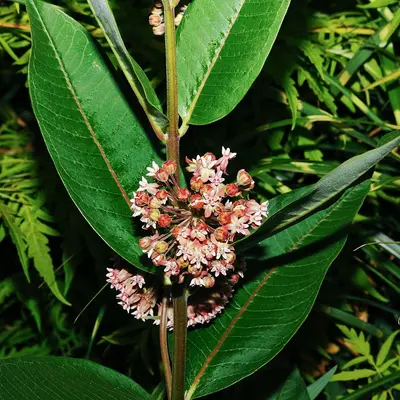
A charming woodland perennial that forms dense mats of star-shaped whorled leaves topped with delicate white flowers in late spring. When dried, the leaves release a sweet vanilla-hay fragrance that has been treasured for centuries in potpourri and traditional May wine. This well-behaved spreader is perfect for naturalizing in shade gardens and won't overwhelm neighboring plants like some ground covers.
Harvest
60-75d
Days to harvest
Sun
Partial shade
Zones
4–8
USDA hardiness
Height
6-12 inches
Planting Timeline
Showing dates for Sweet Woodruff in USDA Zone 7
All Zone 7 ground-cover →Zone Map
Click a state to update dates
Sweet Woodruff · Zones 4–8
Growing Details
Complete Growing Guide
Light: Deep shade (Less than 2 hours to no direct sunlight), Partial Shade (Direct sunlight only part of the day, 2-6 hours). Soil: Clay, High Organic Matter, Sand. Soil pH: Acid (<6.0). Drainage: Good Drainage, Moist. Height: 0 ft. 6 in. - 1 ft. 0 in.. Spread: 1 ft. 0 in. - 2 ft. 0 in.. Growth rate: Medium. Maintenance: High. Propagation: Division, Seed. Regions: Coastal, Mountains, Piedmont.
Harvesting
Fruit is covered in hooked bristles that adhere to fur and clothes
Type: Schizocarp. Length: < 1 inch. Width: < 1 inch.
Harvest time: Summer
Edibility: Used to flavor teas and fruit drinks
Storage & Preservation
Fresh Sweet Woodruff is best stored in the refrigerator in a sealed plastic bag or container with a damp paper towel, where it keeps for 3-5 days. For drying—the preferred preservation method—hang bundles in a warm, well-ventilated space away from direct sunlight for 1-2 weeks until leaves are completely crisp. Store dried herb in an airtight container away from heat and light for up to 1 year. Alternatively, freeze fresh sprigs in ice cube trays with water for convenient later use in beverages, or prepare as infused vinegar for extended shelf life of 4-6 months.
History & Origin
Origin: North Africa, Asia, Europe
Advantages
- +Edible: Used to flavor teas and fruit drinks
Considerations
- -High maintenance
Companion Plants
Sweet Woodruff does its best work layered under taller shade companions — Hostas and Astilbe shade the soil and hold moisture at the root zone, and their canopies cut the intense afternoon sun that sets off powdery mildew. Ferns and Heuchera share the same shallow root depth without pulling hard against it for water. In our zone 7 Georgia gardens, that shaded strip under a deciduous canopy is the sweet spot — the tree drops light in spring when Sweet Woodruff needs it most, then closes off by July when the heat arrives. Keep it away from Black Walnut; juglone moves through the soil far enough to stunt plants well outside the tree's drip line. Mediterranean herbs like thyme and rosemary are a bad match for a different reason — they want dry, gritty soil and full sun, the exact opposite of what Sweet Woodruff needs, and one of them will always lose.
Plant Together
Hostas
Both thrive in shade and moist soil, complementary textures and foliage
Astilbe
Similar shade and moisture requirements, creates beautiful layered woodland garden
Ferns
Natural woodland companions with matching shade and humidity needs
Heuchera
Shares preference for partial shade and well-draining soil, adds color contrast
Wild Ginger
Native woodland companion with similar growing conditions and spreading habit
Lungwort
Both prefer cool, moist shade and bloom in spring, complementary ground cover
Ajuga
Similar low-growing habit and shade tolerance, creates dense ground cover carpet
Lamium
Matching shade requirements and spreading nature, both form attractive ground cover
Keep Apart
Black Walnut
Produces juglone toxin that inhibits growth of many plants including sweet woodruff
Mediterranean Herbs
Require dry, sunny conditions opposite to sweet woodruff's moist, shady needs
Aggressive Grasses
Can outcompete and smother the delicate spreading habit of sweet woodruff
Pests & Disease Resistance
Resistance
Good disease resistance in proper conditions
Common Pests
Generally pest-free
Diseases
Root rot in waterlogged soils, powdery mildew in poor air circulation
Troubleshooting Sweet Woodruff
What you'll see, why it happens, and what to do about it.
Stems collapsing at the base, roots brown and mushy when you pull the plant
Likely Causes
- Pythium or Phytophthora root rot — both thrive in waterlogged, poorly drained soil
- Planting in a low spot that holds rain or irrigation runoff
What to Do
- 1.Pull and discard affected plants; don't compost them
- 2.Improve drainage before replanting — work in 2-3 inches of coarse compost and consider raising the bed a few inches
- 3.Water only when the top inch of soil is dry; Sweet Woodruff wants consistent moisture, not soggy feet
White powdery coating on leaf surfaces, usually showing up mid-to-late summer
Likely Causes
- Powdery mildew (Erysiphe spp.) — triggered by warm days, cool nights, and stagnant air around dense plantings
- Overcrowded spacing under 8 inches that prevents airflow between plants
What to Do
- 1.Thin or divide clumps so plants aren't smothering each other — target at least 8-12 inches between crowns
- 2.Trim back any overhanging shrubs or perennials that are cutting off whatever air movement exists
- 3.A diluted neem oil spray (2 tsp per quart of water) applied in the early morning can slow spread, though it won't reverse existing damage
Plants spread well beyond their intended area within 2-3 seasons, crowding out nearby small perennials
Likely Causes
- Rhizomatous spreading habit — Sweet Woodruff is a well-documented colonizer, especially in moist, rich soil
- No physical barrier between the planting and adjacent beds at establishment
What to Do
- 1.Install a 4-6 inch deep edging barrier (metal or rigid plastic) around the planting perimeter at the time you put it in — retrofitting is a pain
- 2.Pull runners by hand each spring before they root — they come up easily when the soil is moist
- 3.If it's already escaped, cut back hard in early April and re-edge; don't let it set seed
Frequently Asked Questions
How long does dried Sweet Woodruff last in storage?▼
Is Sweet Woodruff good for beginners to grow?▼
Can you grow Sweet Woodruff in containers?▼
What does fresh Sweet Woodruff taste and smell like?▼
When should I plant Sweet Woodruff?▼
How long until Sweet Woodruff is ready to harvest?▼
Zone-by-Zone Planting Calendar
Growing Guides from Wind River Greens
Sources & References
External authority sources used in compiling this guide.
- ExtensionNC State Extension
See the Methodology page for how this data is sourced, what's AI-assisted, and known limitations.