Double Click Snow Puff
Cosmos bipinnatus
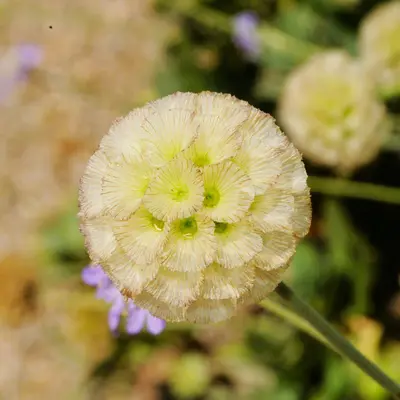
Tall plants with large fully double and semidouble blooms. Pure white flowers with a small percentage displaying a soft blush of pink. Cosmos are also known as garden cosmos.
Harvest
75-90d
Days to harvest
Sun
Full sun to partial shade
Zones
2–11
USDA hardiness
Height
2-4 feet
Planting Timeline
Showing dates for Double Click Snow Puff in USDA Zone 7
All Zone 7 flower →Zone Map
Click a state to update dates
Double Click Snow Puff · Zones 2–11
Growing Details
Succession Planting
Direct sow every 3 weeks from April through June in zone 7, stopping once daytime highs are consistently above 90°F — germination stalls in serious heat and seedlings started in that window tend to sit without establishing. Starting a round indoors in late February and transplanting in April gets you blooms 2-3 weeks earlier than direct-sown plants, which matters if you want flowers before summer peaks. Deadhead every 4-5 days and individual plants keep producing; the main reason to stagger sowings is to spread the bloom window across more of the season, not because any single plant quits quickly.
Complete Growing Guide
Tall plants with large fully double and semidouble blooms. Pure white flowers with a small percentage displaying a soft blush of pink. Cosmos are also known as garden cosmos. According to Johnny's Selected Seeds, Double Click Snow Puff is 75 - 90 days to maturity, annual, open pollinated. Notable features: Use for Cut Flowers and Bouquets.
Light: Full sun (6 or more hours of direct sunlight a day), Partial Shade (Direct sunlight only part of the day, 2-6 hours). Soil: Clay, Loam (Silt), Sand. Soil pH: Alkaline (>8.0), Neutral (6.0-8.0). Drainage: Good Drainage, Occasionally Dry. Height: 2 ft. 0 in. - 4 ft. 0 in.. Spread: 2 ft. 0 in. - 3 ft. 0 in.. Spacing: 12 inches-3 feet. Growth rate: Rapid. Maintenance: Low. Propagation: Seed. Regions: Coastal, Mountains, Piedmont.
Harvesting
Double Click Snow Puff reaches harvest at 75 - 90 days from sowing per Johnny's Selected Seeds. As an annual, harvest continues until frost ends the season.
Type: Capsule.
Storage & Preservation
Fresh Double Click Snow Puff cosmos flowers should be stored in a cool location, ideally in a vase with fresh water at room temperature or in a refrigerator (32-40°F) to extend vase life to 7-10 days. Keep away from ethylene-producing fruits and maintain moderate humidity. For preservation, try air-drying by hanging bunches upside-down in a warm, dark, well-ventilated space for 1-2 weeks, creating long-lasting dried arrangements. Alternatively, press flowers between parchment paper under heavy weights for 2-3 weeks to create flattened specimens for crafts and framing. Frozen preservation in water-filled ice cube trays maintains color for several months, suitable for decorative purposes.
History & Origin
Double Click Snow Puff is open-pollinated, meaning seed saved from healthy plants will produce true-to-type offspring. Listed in the Johnny's Selected Seeds catalog.
Origin: Mexico and southwest North America
Advantages
- +Produces large, fully double blooms ideal for cut flower arrangements
- +Easy to grow from seed with minimal gardening experience required
- +Tall plants provide excellent vertical interest and background garden structure
- +Blooms prolifically for 75-90 days with extended flowering season
- +Pure white flowers with occasional pink blush offer elegant color variation
Considerations
- -Tall stems require staking or support in windy garden locations
- -Double flowers may be slower to produce seeds for self-sowing
- -Pink blush coloring is unpredictable, limiting consistency in arrangements
Companion Plants
Marigolds deter aphids and whiteflies through root and foliage compounds that make the immediate area less hospitable to both pests, while Sweet Alyssum pulls in parasitic wasps and hoverflies that hunt those same insects. Nasturtiums work as a trap crop — aphid colonies build up on them first, which keeps pressure off the cosmos long enough to matter. Basil is a fine neighbor that keeps pollinators cycling through the bed. Sunflowers are the problem: they're allelopathic, and the compounds they leach through roots and decomposing stems have been shown to suppress germination and stunt growth in nearby annuals, including cosmos.
Plant Together
Marigolds
Repel aphids, whiteflies, and nematodes while attracting beneficial insects
Sweet Alyssum
Attracts beneficial predatory insects like lacewings and parasitic wasps
Nasturtiums
Act as trap crops for aphids and cucumber beetles, drawing pests away
Petunias
Repel aphids, tomato hornworms, and other soft-bodied insects
Celosia
Similar growing conditions and bloom times, attracts pollinators
Cosmos
Attracts beneficial insects and provides complementary flower structure
Zinnia
Attracts butterflies and beneficial insects while having similar care requirements
Basil
Repels aphids, spider mites, and thrips that commonly affect flowers
Keep Apart
Black Walnut
Produces juglone toxin that inhibits growth and can kill sensitive flowering plants
Sunflowers
Allelopathic compounds inhibit germination and growth of nearby smaller plants
Eucalyptus
Releases allelopathic chemicals that suppress growth of most garden plants
Pests & Disease Resistance
Common Pests
Spider mites, aphids, whiteflies
Diseases
Powdery mildew, root rot in overly wet conditions
Troubleshooting Double Click Snow Puff
What you'll see, why it happens, and what to do about it.
Fine webbing on undersides of leaves, tips looking bleached or stippled, usually in hot dry spells
Likely Causes
- Two-spotted spider mite (Tetranychus urticae) — thrives when temps push above 85°F and humidity drops
- Dusty or crowded conditions that stress the plant
What to Do
- 1.Blast the undersides of leaves with a strong stream of water every 2-3 days — it physically knocks mites off and they don't climb back well
- 2.If the infestation is heavy, apply insecticidal soap or neem oil in the evening so it doesn't burn foliage in full sun
- 3.Space plants at least 12 inches apart so air moves through freely
White powdery coating on upper leaf surfaces, usually starting on older leaves in mid to late summer
Likely Causes
- Powdery mildew (Erysiphe cichoracearum) — a fungal pathogen that spreads by air, not water; warm days and cool nights accelerate it
- Poor airflow from overcrowding or planting against a wall
What to Do
- 1.Remove and trash (don't compost) the worst-affected leaves as soon as you see them
- 2.Spray remaining foliage with a diluted baking soda solution (1 tablespoon per gallon of water) or a potassium bicarbonate product every 7-10 days
- 3.Next season, thin to 18-inch spacing and avoid overhead watering in the evening
Stems wilting and collapsing at the soil line, crown feels soft or mushy, soil still damp
Likely Causes
- Root rot from Pythium or Rhizoctonia — both take hold fast in waterlogged, poorly drained soil
- Planting in a low spot that holds water after rain, or watering on a schedule regardless of soil moisture
What to Do
- 1.Pull the affected plant — a cosmos rotted at the crown won't recover
- 2.Let the surrounding soil dry out completely before watering again; once plants reach 6-8 inches tall they handle dry stretches better than wet ones
- 3.Before replanting that spot, work in coarse compost or perlite to open up drainage, and choose a bed that sheds water rather than collects it
Frequently Asked Questions
How long do Double Click Snow Puff cosmos flowers last in a vase?▼
Can you grow Double Click Snow Puff cosmos in containers?▼
When should I plant Double Click Snow Puff cosmos seeds?▼
Is Double Click Snow Puff a good flower variety for beginners?▼
How much sunlight do Double Click Snow Puff cosmos need?▼
What makes Double Click Snow Puff cosmos different from regular cosmos?▼
Zone-by-Zone Planting Calendar
| Zone | Indoor Start | Transplant | Direct Sow | Harvest |
|---|---|---|---|---|
| Zone 1 | May – June | July – August | July – September | — |
| Zone 2 | April – May | June – July | June – August | — |
| Zone 11 | January – January | January – February | January – March | — |
| Zone 12 | January – January | January – February | January – March | — |
| Zone 13 | January – January | January – February | January – March | — |
| Zone 3 | April – May | June – July | June – August | — |
| Zone 4 | March – April | June – June | June – July | — |
| Zone 5 | March – April | May – June | May – July | — |
| Zone 6 | March – April | May – June | May – July | — |
| Zone 7 | February – March | April – May | April – June | — |
| Zone 8 | February – March | April – May | April – June | — |
| Zone 9 | January – February | March – April | March – May | — |
| Zone 10 | January – January | February – March | February – April | — |
Growing Guides from Wind River Greens
Sources & References
External authority sources used in compiling this guide.
- BreederJohnny's Selected Seeds
See the Methodology page for how this data is sourced, what's AI-assisted, and known limitations.