American Hornbeam
Carpinus caroliniana
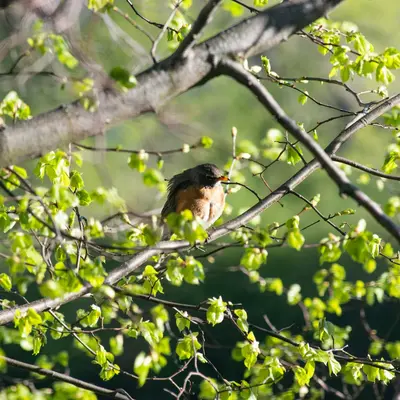
A native understory tree prized for its smooth, muscular gray bark and exceptional four-season interest. This shade-tolerant beauty produces brilliant orange-red fall foliage and adapts well to urban conditions while providing excellent wildlife habitat. Perfect for smaller yards where a graceful, low-maintenance shade tree is desired.
Sun
Partial shade
Zones
3–9
USDA hardiness
Height
20-30 feet
Planting Timeline
Showing dates for American Hornbeam in USDA Zone 7
All Zone 7 shade-tree →Zone Map
Click a state to update dates
American Hornbeam · Zones 3–9
Growing Details
Complete Growing Guide
Light: Deep shade (Less than 2 hours to no direct sunlight), Partial Shade (Direct sunlight only part of the day, 2-6 hours). Soil: Clay, High Organic Matter, Loam (Silt), Sand. Soil pH: Acid (<6.0), Neutral (6.0-8.0). Drainage: Good Drainage, Moist, Occasional Flooding, Occasionally Wet. Height: 20 ft. 0 in. - 30 ft. 0 in.. Spread: 20 ft. 0 in. - 35 ft. 0 in.. Spacing: 12-24 feet. Growth rate: Slow. Maintenance: Medium. Regions: Coastal, Mountains, Piedmont.
Harvesting
The nutlet is ⅓ inch long and is attached to a leaf-like, 3-lobed green scale that helps it to be carried by the wind.
Color: Gold/Yellow. Type: Nut. Length: < 1 inch. Width: < 1 inch.
Garden value: Edible
Harvest time: Fall
Storage & Preservation
American Hornbeam is an ornamental shade tree and does not require storage or preservation like produce. As a living plant, store in appropriate outdoor conditions: plant in partial shade (4-6 hours) with moist, well-drained soil. Container specimens should be kept in a cool location (50-60°F) during dormancy. For seeds, store in cool, dry conditions (35-45°F) with low humidity in sealed containers for up to one year. Stratification (cold moist treatment for 60-90 days) enhances germination rates before spring planting.
History & Origin
Origin: E. Canada to SE. U.S.A., NC
Advantages
- +Distinctive muscular gray bark provides year-round visual interest and character
- +Brilliant orange-red fall foliage creates stunning seasonal color display
- +Naturally shade-tolerant, thrives in understory conditions other trees cannot
- +Excellent wildlife habitat supporting birds, insects, and small mammals
- +Low-maintenance tree requiring minimal pruning or specialized care
Considerations
- -Slow growth rate means patience required before achieving mature size
- -Occasional leaf spot fungus develops in consistently humid, wet conditions
- -Scale insects and leaf miners can cause aesthetic damage if untreated
Companion Plants
The understory plants that pair well here — Wild Ginger, Coral Bells, Hosta, Ferns, and Astilbe — share the same niche American Hornbeam naturally occupies: low light, consistent moisture, and undisturbed soil. That shared habitat tolerance means less root competition and less corrective work for you. Serviceberry and Wild Columbine fit the same bill and pull in native pollinators. Black Walnut is the one to keep well away — actually, scratch that phrasing — plant it no closer than 50 feet, because its roots release juglone, a compound toxic enough to kill a wide range of woody plants. Large Pines and Silver Maple cause a different problem: both run aggressive shallow roots that will out-compete a slow-establishing Hornbeam for water, especially in years 1 through 5.
Plant Together
Wild Ginger
Thrives in similar shade conditions and provides natural groundcover without competing for nutrients
Coral Bells
Tolerates shade well and adds colorful foliage while requiring minimal water competition
Astilbe
Enjoys similar moist, shaded conditions and provides beautiful flowers without root competition
Hosta
Complements the tree's shade-creating ability and helps suppress weeds with dense foliage
Ferns
Natural woodland companions that thrive in the filtered light and don't compete for nutrients
Trillium
Native woodland plant that benefits from the tree's natural leaf litter and shade
Serviceberry
Compatible native understory shrub that shares similar growing conditions and wildlife benefits
Wild Columbine
Adapts well to partial shade and attracts beneficial pollinators to the area
Keep Apart
Black Walnut
Produces juglone which is toxic to many plants including hornbeam, stunting growth
Large Pine Trees
Creates acidic soil conditions that hornbeam doesn't prefer and competes heavily for water
Silver Maple
Aggressive shallow root system competes directly with hornbeam for surface nutrients and water
Pests & Disease Resistance
Resistance
Excellent disease resistance, very few pest problems
Common Pests
Scale insects (rare), leaf miners (minor)
Diseases
Generally disease-free, occasional leaf spot in humid conditions
Troubleshooting American Hornbeam
What you'll see, why it happens, and what to do about it.
Small tan or brown blotches winding across leaves in irregular trails, visible mid-summer
Likely Causes
- Leaf miner larvae (likely Agromyzidae family) tunneling between leaf surfaces
- Drought stress making foliage more susceptible to egg-laying adults
What to Do
- 1.Pick off and trash heavily mined leaves — don't compost them
- 2.For young trees, a neem oil spray (2 tsp per gallon) on new growth can deter egg-laying adults
- 3.Water deeply at the base so the top 6 inches of soil stay consistently damp — a stressed tree draws more insect pressure
Circular tan spots with a darker border appearing on leaves during a wet summer, sometimes causing early leaf drop
Likely Causes
- Leaf spot fungi (Septoria or Phyllosticta spp.) — common in humid conditions with poor air circulation
- Overhead watering or standing water around the root zone
What to Do
- 1.Rake and bag fallen leaves in autumn — the spores overwinter in leaf debris
- 2.Water at the base, not overhead, and avoid waterlogging the root zone
- 3.Trim surrounding shrubs if they're pressing within 5–6 feet of the canopy and blocking airflow
Crusty or waxy bumps on branches, bark looking rough or sooty, with sticky residue on leaves below
Likely Causes
- Scale insects (armored or soft scale) — rare on American Hornbeam but more likely on trees already under stress
- Sooty mold fungus colonizing the honeydew that scale insects excrete
What to Do
- 1.Scrub small infestations off accessible branches with a stiff brush and soapy water
- 2.Apply horticultural oil at the dormant rate in late winter before bud break — coat stems thoroughly
- 3.Test soil pH and correct toward the 5.5–7.5 range; scale tends to hit trees that are already struggling with poor site conditions
Frequently Asked Questions
How long does American Hornbeam take to mature into a shade tree?▼
Is American Hornbeam good for beginner gardeners?▼
Can you grow American Hornbeam in a container?▼
When should I plant American Hornbeam?▼
What makes American Hornbeam different from other shade trees?▼
Is American Hornbeam native to North America?▼
Zone-by-Zone Planting Calendar
Growing Guides from Wind River Greens
Sources & References
External authority sources used in compiling this guide.
- ExtensionNC State Extension
See the Methodology page for how this data is sourced, what's AI-assisted, and known limitations.