Oak Leaf
Lactuca sativa 'Oak Leaf'
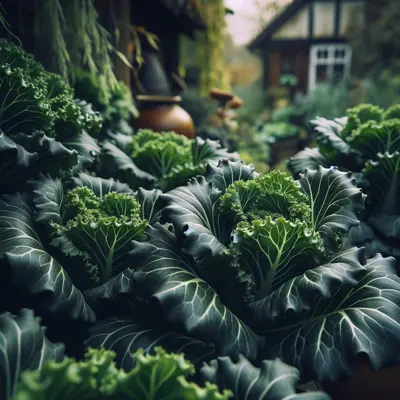
An elegant loose-leaf lettuce with distinctive deeply-lobed leaves that resemble oak tree foliage, adding visual interest to both garden and salad bowl. This heat-tolerant variety offers exceptional flavor with tender, buttery leaves that never become bitter, making it perfect for continuous harvest throughout the growing season. The unique leaf shape and reliable performance make it a favorite among both novice and experienced gardeners.
Harvest
45-50d
Days to harvest
Sun
Full sun to partial shade
Zones
2–11
USDA hardiness
Height
6-12 inches
Planting Timeline
Showing dates for Oak Leaf in USDA Zone 7
All Zone 7 lettuce →Zone Map
Click a state to update dates
Oak Leaf · Zones 2–11
Growing Details
Succession Planting
Direct sow Oak Leaf every 14 days starting around March 1 in zone 7, and keep going through late April. Stop once daytime highs are consistently above 75°F — Oak Leaf holds up better in heat than crisphead types, but once temperatures push into the mid-80s it bolts and turns bitter fast. Restart sowings in late August through September for a fall run that can stretch into November.
For that fall succession, sow no deeper than 1/8 inch — lettuce seed needs light to germinate, and soil temperatures above 80°F push it into thermo-dormancy. If the ground is still warm from summer, start seeds in trays in a shaded spot and transplant out once the seedlings are 2-3 inches tall and nighttime temps have dropped back below 70°F.
Complete Growing Guide
Oak Leaf lettuce thrives when direct sown into the garden after your last frost date, though you can also start seeds indoors four to six weeks before that date for an earlier harvest. Direct sowing is often simpler for this easy-to-grow variety—simply scatter seeds on prepared soil and barely press them in, as lettuce seeds need light to germinate. Space seeds about six inches apart and thin seedlings to the same distance once they develop their first true leaves. Oak Leaf typically reaches harvest maturity in 45 to 50 days, so timing successive sowings two to three weeks apart ensures a continuous supply of those distinctive lobed leaves throughout the season.
Prepare your planting bed with rich, well-draining soil amended with compost or aged manure. Oak Leaf appreciates consistent moisture and performs best in beds that retain some water without becoming waterlogged. Space plants six to twelve inches apart depending on whether you plan to harvest individual outer leaves or let plants mature fully. The shallow root system means your soil preparation now prevents problems later—compacted or poor soil stresses plants and invites disease.
Water Oak Leaf deeply but infrequently, keeping the soil consistently moist rather than wet. Morning irrigation is ideal, as foliage that dries quickly resists fungal issues. Feed lightly with balanced fertilizer every two weeks, though rich soil amendments often supply sufficient nutrients for this relatively light feeder. Avoid high-nitrogen formulations, which encourage leafy growth but can reduce flavor intensity.
The distinctive deeply lobed leaves of Oak Leaf create pockets where aphids and leaf miners love to hide, so monitor undersides of leaves closely and spray infestations early with insecticidal soap before populations explode. Slugs and snails exploit the tender texture this variety is known for—handpick at dusk or use copper barriers around plants. Downy mildew poses a particular threat because Oak Leaf's dense leaf structure can trap moisture; improve air circulation between plants and avoid overhead watering.
Oak Leaf's exceptional heat tolerance allows it to thrive where other lettuces bolt, but this variety still produces superior flavor when grown in cooler conditions. Many gardeners mistake this heat tolerance as permission to neglect shade during intense summer heat—providing afternoon shade and maintaining consistent moisture prevents any bitterness from developing. For continuous harvest, practice cut-and-come-again picking by removing outer leaves when plants are two inches tall rather than harvesting entire heads, extending productivity throughout the season.
Harvesting
Oak Leaf lettuce reaches peak harvest readiness when the distinctive lobed leaves display a rich, deep green color and feel tender yet crisp to the touch, typically 45-50 days after planting. The leaves should measure 4-6 inches long and maintain their characteristic oak-shaped form without wilting or browning at the edges. This variety thrives under continuous harvesting, where you remove outer leaves as needed while allowing the center to regenerate for successive pickings throughout the season. For optimal tenderness and flavor, harvest in early morning when leaves are fully hydrated and before temperatures climb above 75°F, ensuring the buttery texture remains pristine even as other lettuces bolt in heat.
Tiny seeds with a dandelion-like tuft (pappus) to aid in wind dispersal.
Color: Brown/Copper. Type: Achene. Length: < 1 inch. Width: < 1 inch.
Harvest time: Summer
Edibility: Leaves can be used raw or cooked in salads, sandwiches, and other dishes. Head lettuce can be stored for 2-3 weeks while leaf and butterhead store for 1-2 weeks.
Storage & Preservation
Fresh Oak Leaf lettuce keeps best when harvested in the morning and immediately placed in cold water to crisp up. After washing and thoroughly drying with a salad spinner, store leaves wrapped in slightly damp paper towels inside a perforated plastic bag in your refrigerator's crisper drawer. Properly stored, the leaves maintain quality for 7-10 days.
Unlike heartier greens, Oak Leaf lettuce doesn't freeze or dry well due to its tender texture and high water content. Your best preservation option is to extend the growing season through succession planting and cold frames. For immediate use, you can keep harvested leaves fresh in a glass of water on your counter for 2-3 days, changing the water daily.
Consider fermenting Oak Leaf lettuce into a mild kimchi-style ferment, though its delicate nature requires a shorter fermentation period of just 3-5 days at room temperature before refrigerating.
History & Origin
Oak Leaf lettuce emerged from the loose-leaf breeding traditions of American seed companies in the mid-twentieth century, though precise breeder attribution and introduction year remain poorly documented in readily available historical records. The variety represents a continuation of the open-pollinated leaf lettuce lines that gained popularity following World War II, when home gardening expanded significantly across North America. Its distinctive oak-shaped leaves suggest intentional selection for visual appeal alongside culinary qualities, a breeding focus that characterized vegetable development during the latter half of the 1900s. The lack of comprehensive archival documentation is typical for many heirloom and open-pollinated varieties that circulated widely through seed catalogs before detailed breeding records became standard industry practice.
Origin: Mediterranean to Siberia
Advantages
- +Distinctive oak-shaped leaves add unique visual appeal to gardens and plates
- +Exceptional heat tolerance allows reliable growth during warm summer months
- +Mild, buttery flavor remains consistently sweet without developing bitterness
- +Quick 45-50 day harvest supports continuous crop succession planting
- +Loose-leaf form enables selective harvesting without disturbing entire plant
Considerations
- -Susceptible to downy mildew in humid or poorly-ventilated growing conditions
- -Vulnerable to multiple pest pressures including aphids, slugs, and leaf miners
- -Requires consistent moisture and well-draining soil for optimal tender leaf development
Companion Plants
Chives and garlic both emit volatile sulfur compounds that interfere with Myzus persicae settling on nearby plants, and neither puts down roots deep enough to crowd lettuce at 6.0-7.0 pH soil depths. Radishes are worth tucking in at the bed edges — they draw leaf miners and flea beetles away from the lettuce, and you'll harvest them before they compete for space. Nasturtiums do similar work for aphids. Fennel is a hard no regardless of spacing: it releases allelopathic root exudates that suppress germination and stunt growth in most vegetables, and lettuce is not an exception. Broccoli is a spacing problem more than a chemistry one — it fans out to 18-24 inches and will shade out a low-growing Oak Leaf plant before either crop finishes.
Plant Together
Chives
Repels aphids and other soft-bodied insects that commonly attack lettuce
Marigolds
Deters nematodes and aphids while attracting beneficial predatory insects
Carrots
Deep roots don't compete with shallow lettuce roots and help break up soil
Radishes
Quick-growing companion that helps break up soil and deters flea beetles
Nasturtiums
Acts as trap crop for aphids and cucumber beetles, drawing pests away from lettuce
Garlic
Natural fungicide properties help prevent lettuce diseases like downy mildew
Spinach
Similar growing requirements and can be succession planted together
Dill
Attracts beneficial insects like ladybugs and parasitic wasps that control aphids
Keep Apart
Broccoli
Heavy feeder that competes for nutrients and can shade out lettuce
Fennel
Releases allelopathic compounds that inhibit lettuce germination and growth
Sunflowers
Allelopathic effects and excessive shading can stunt lettuce growth
Nutrition Facts
Per 100g serving. % Daily Value based on 2,000 calorie diet. Source: USDA FoodData Central (FDC #2346388)
Pests & Disease Resistance
Resistance
Good heat tolerance, resistant to bolting, moderate disease resistance
Common Pests
Aphids, slugs, snails, leaf miners
Diseases
Downy mildew, lettuce drop, white rust
Troubleshooting Oak Leaf
What you'll see, why it happens, and what to do about it.
Seedlings collapse at soil level within 7-10 days of planting out — stem looks pinched or rotted at the base
Likely Causes
- Damping off (Pythium spp. or Rhizoctonia solani) — a fungal complex that builds up in beds where lettuce has grown repeatedly
- Overwatering or poorly draining soil keeping the root zone wet
What to Do
- 1.Pull and discard the dead seedlings; don't compost them
- 2.Rotate lettuce out of that bed for at least one season — NC State's IPM guidance specifically flags repeated planting in the same raised bed as a risk factor for this
- 3.Work in compost or coarse perlite before the next sowing to improve drainage; let the top half-inch of soil dry slightly between waterings
Gray-purple fuzzy coating on the undersides of leaves, with pale yellow patches on top — shows up in cool, wet stretches
Likely Causes
- Downy mildew (Bremia lactucae) — spreads fast when nights drop below 65°F and humidity stays high
- Dense planting that traps moisture against the foliage
What to Do
- 1.Strip off and trash affected outer leaves as soon as you spot them
- 2.Space plants the full 8-10 inches apart and avoid overhead watering in the evening
- 3.If the bed has a history of downy mildew, a copper-based fungicide applied at first sign can slow spread — follow label rates
Leaves stippled, curled, or coated in a sticky residue; tiny soft-bodied insects clustered near new growth
Likely Causes
- Aphids (commonly green peach aphid, Myzus persicae) — populations can double in days during cool spring and fall weather
- Ant activity nearby, which often signals aphids are being actively tended on the plant
What to Do
- 1.Knock aphids off with a firm stream of water in the morning so foliage dries before evening
- 2.Spray insecticidal soap (about 2 tablespoons per gallon of water) directly on the colonies, hitting the undersides of leaves
- 3.Interplant chives or nasturtiums within 12 inches of the bed to disrupt aphid colonization on future plantings
Frequently Asked Questions
How long does Oak Leaf lettuce take to grow?▼
Can you grow Oak Leaf lettuce in containers?▼
Is Oak Leaf lettuce good for beginners?▼
What does Oak Leaf lettuce taste like?▼
When should I plant Oak Leaf lettuce?▼
Oak Leaf vs Buttercrunch lettuce - what's the difference?▼
Zone-by-Zone Planting Calendar
| Zone | Indoor Start | Transplant | Direct Sow | Harvest |
|---|---|---|---|---|
| Zone 3 | — | — | May – June | June – October |
| Zone 4 | — | — | April – June | June – October |
| Zone 5 | — | — | April – May | June – November |
| Zone 6 | — | — | April – May | May – November |
| Zone 7 | — | — | March – May | May – November |
| Zone 8 | — | — | March – April | April – December |
| Zone 9 | — | — | February – March | March – December |
| Zone 10 | — | — | January – March | March – December |
| Zone 1 | — | — | June – July | July – September |
| Zone 2 | — | — | May – July | July – September |
| Zone 11 | — | — | January – February | February – December |
| Zone 12 | — | — | January – February | February – December |
| Zone 13 | — | — | January – February | February – December |
Growing Guides from Wind River Greens
Sources & References
External authority sources used in compiling this guide.
See the Methodology page for how this data is sourced, what's AI-assisted, and known limitations.