Camellia Japonica
Camellia japonica
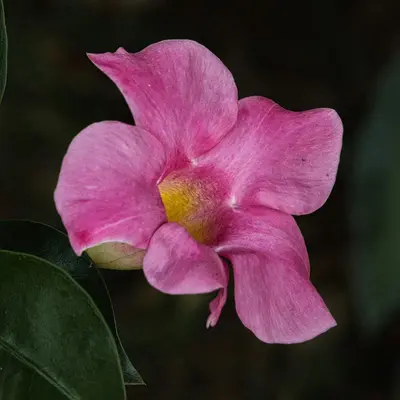
An elegant evergreen that brings sophisticated beauty to winter gardens with its glossy dark green foliage and spectacular blooms. Flowers appear from late fall through early spring in shades of pink, red, or white, providing color when most other shrubs are dormant. This aristocratic shrub creates stunning focal points and works beautifully as a specimen plant or informal hedge.
Sun
Partial shade
Zones
7–9
USDA hardiness
Height
10-13 feet
Planting Timeline
Showing dates for Camellia Japonica in USDA Zone 7
All Zone 7 shrub →Zone Map
Click a state to update dates
Camellia Japonica · Zones 7–9
Growing Details
Complete Growing Guide
Light: Partial Shade (Direct sunlight only part of the day, 2-6 hours). Soil: High Organic Matter. Soil pH: Acid (<6.0). Drainage: Good Drainage, Moist, Occasionally Wet. Height: 10 ft. 0 in. - 13 ft. 0 in.. Spread: 5 ft. 0 in. - 10 ft. 0 in.. Spacing: 6-feet-12 feet. Growth rate: Slow. Maintenance: High. Propagation: Stem Cutting. Regions: Coastal, Piedmont.
Harvesting
A woody capsule up to 1" in length.
Color: Brown/Copper. Type: Capsule. Length: < 1 inch. Width: < 1 inch.
Harvest time: Fall
Storage & Preservation
Camellia japonica flowers have a short vase life of 3-7 days when cut. Store fresh blooms in cool conditions (50-55°F) in a humid environment to maintain petal quality. Keep stems in clean water with floral preservative, changing water every 2-3 days. For preservation, pressing flowers between parchment paper retains their delicate form for crafts and arrangements. Drying blooms upside-down in a warm, dark space preserves color for dried arrangements. Alternatively, freeze flowers in ice cubes for decorative use in beverages or preserve petals in glycerin solution for long-term storage.
History & Origin
Origin: China , Korea, Central & Southern Jap
Advantages
- +Attracts: Pollinators, Songbirds
Considerations
- -High maintenance
Companion Plants
Azalea, Rhododendron, and Pieris are the most natural neighbors for Camellia japonica because they all thrive in acidic soil (pH 5.0–6.5), prefer partial shade, and share a shallow, fibrous root structure — meaning they draw from the same soil layer without undercutting each other. Managing one amended bed covers all of them. Japanese Maple earns a spot overhead because its canopy casts dappled rather than dense shade, and unlike many large trees it doesn't alter soil chemistry. Hosta, Ferns, Heuchera, and Astilbe fill the ground layer without piling pressure on camellia's root zone.
Black Walnut is the hard no here — it produces juglone, a compound that moves through the soil and damages the roots of many broadleaf shrubs, camellia among them. Eucalyptus releases allelopathic oils that suppress neighboring plants broadly. Mint is a different kind of problem: it spreads fast enough to mat across the shallow root zone and creates steady moisture competition right where camellia needs even, consistent access to water.
Plant Together
Azalea
Shares similar acidic soil requirements and shallow root systems
Rhododendron
Compatible acid-loving plants with similar water and soil needs
Pieris
Thrives in same acidic conditions and provides complementary blooming periods
Hosta
Enjoys partial shade under camellias and adds contrasting foliage texture
Ferns
Natural woodland companions that thrive in camellia's acidic, moist soil
Heuchera
Tolerates acidic soil and partial shade, provides colorful ground cover
Japanese Maple
Creates beneficial canopy partnership with similar soil pH preferences
Astilbe
Enjoys acidic soil and partial shade, adds contrasting flower spikes
Keep Apart
Black Walnut
Produces juglone toxin that can severely damage or kill camellias
Eucalyptus
Releases allelopathic compounds that inhibit camellia root development
Pine Trees
Aggressive root competition and excessive needle drop can stress camellias
Mint
Invasive spreading roots compete aggressively with camellia's shallow root system
Pests & Disease Resistance
Resistance
Generally healthy with proper care
Common Pests
Scale insects, aphids, tea mites
Diseases
Camellia petal blight, root rot in poorly drained soils
Troubleshooting Camellia Japonica
What you'll see, why it happens, and what to do about it.
Sticky, shiny residue on leaves and stems, sometimes with a black sooty coating on top
Likely Causes
- Soft scale insects (Pulvinaria floccifera or similar) feeding on stems and secreting honeydew
- Aphid colonies, often clustered on new growth, producing the same honeydew that feeds sooty mold (Capnodium spp.)
What to Do
- 1.Scrub visible scale off stems with a soft brush dipped in soapy water, then follow up with a horticultural oil spray — coat stems and the undersides of leaves thoroughly
- 2.For aphids, a firm blast from a garden hose knocks most of them off; repeat every 3-4 days until populations drop
- 3.Wipe sooty mold off with a damp cloth — it's cosmetic and will clear on its own once the insect problem is gone
Flower petals developing brown, water-soaked patches that spread quickly — blooms collapsing before they fully open
Likely Causes
- Camellia petal blight (Ciborinia camelliae) — a fungal disease that overwinters in the soil and releases spores right as buds open
- Cool, wet bloom-season weather (temps between 40–60°F) accelerating spore germination
What to Do
- 1.Pick up and bag every fallen bloom promptly — do not compost them; the sclerotia overwinter in dropped petals and reinfect next season
- 2.Pull back any mulch under the canopy, replace it with a fresh 2–3 inch layer to physically bury any remaining sclerotia
- 3.NC State Extension notes there are no fully effective fungicide options for home gardeners once infection is underway — sanitation before and during bloom season is your main tool
Frequently Asked Questions
How long does a Camellia japonica bloom last?▼
Can you grow Camellia japonica in containers?▼
Is Camellia japonica good for beginners?▼
When should I plant Camellia japonica?▼
How do you prevent pests on Camellia japonica?▼
What are the best uses for Camellia japonica in landscaping?▼
Zone-by-Zone Planting Calendar
Growing Guides from Wind River Greens
Sources & References
External authority sources used in compiling this guide.
- ExtensionNC State Extension
See the Methodology page for how this data is sourced, what's AI-assisted, and known limitations.