Barlow Mix
Aquilegia vulgaris
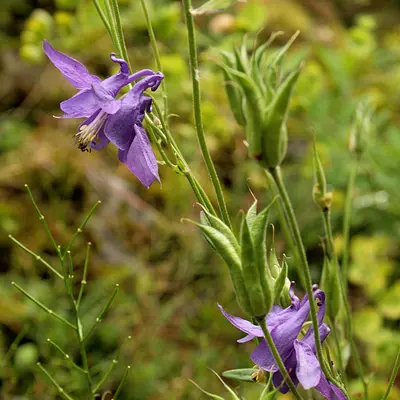
Fluffy, star-shaped blooms with pointed, overlapping petals resemble petite clematis flowers. Fully double 1 1/2" upward-facing and nodding, spurless flowers. Blooms late spring of the second year from a spring sowing. An excellent cut flower, it has strong, straight stems and fills the gap between early spring and summer bouquets. Produces multiple blooms per stem. Mix includes Victorian shades in a complementary color palette: Aline Fairweather (rose), Black Barlow (almost black), Blue Barlow (violet), Bordeaux Barlow (deep wine red), Miss M.I. Huish (dark purple), Nora Barlow (rose centers fading to white with green tips), White Barlow (white), and Christa (purple-edged white). Attracts hummingbirds. Perennial in Zones 3-9.
Harvest
365d
Days to harvest
Sun
Full sun to partial shade
Zones
3–8
USDA hardiness
Height
1-3 feet
Planting Timeline
Showing dates for Barlow Mix in USDA Zone 7
All Zone 7 flower →Zone Map
Click a state to update dates
Barlow Mix · Zones 3–8
Growing Details
Complete Growing Guide
Light: Full sun (6 or more hours of direct sunlight a day), Partial Shade (Direct sunlight only part of the day, 2-6 hours). Soil: Loam (Silt), Sand, Shallow Rocky. Drainage: Good Drainage, Moist, Occasionally Dry. Height: 1 ft. 0 in. - 3 ft. 0 in.. Spread: 0 ft. 6 in. - 2 ft. 0 in.. Spacing: 12 inches-3 feet. Growth rate: Medium. Maintenance: Low. Propagation: Division, Root Cutting, Seed. Regions: Coastal, Mountains, Piedmont.
Harvesting
5-15 follicles containing many seeds
Type: Follicle.
Harvest time: Summer
Storage & Preservation
Cut Barlow Mix columbines immediately when the blooms are fully open and place stems in cool water at room temperature or refrigerate at 35-40°F for extended vase life. They typically last 7-10 days indoors. For preservation, air-dry stems by hanging them upside down in a cool, dark, well-ventilated space for 2-3 weeks to create dried flowers for arrangements. Alternatively, press individual blooms between parchment paper weighted with books for 4-6 weeks to preserve them flat for crafts or displays. Freeze water in vases to maintain cooler temperatures and extend freshness.
History & Origin
Origin: North America, Europe, Asia
Advantages
- +Stunning double flowers with unique star shape and Victorian color palette
- +Excellent cut flowers with strong stems and multiple blooms per stem
- +Fills spring-to-summer bouquet gap, blooming late spring of second year
- +Easy to grow perennial hardy in zones 3-9 with minimal fussing
- +Attracts hummingbirds and adds cottage garden charm to landscapes
Considerations
- -Requires patience: doesn't flower until second year from spring sowing
- -Spurless double flowers may attract fewer pollinators than single varieties
- -Can self-seed aggressively, potentially overtaking garden spaces if not managed
- -Susceptible to powdery mildew and leaf spot in humid conditions
Companion Plants
The beneficial companions here mostly work through one of two mechanisms: pollinator attraction or low-competition ground coverage. Sweet Alyssum and Borage pull in parasitic wasps and hoverflies that prey on aphids — and columbine, while not a heavy aphid target itself, tends to share beds with plants that are. Marigolds (Tagetes spp.) add a soil-level benefit, with root secretions that suppress certain nematode populations. None of these are dramatic interventions, but planted at 6–8 inch spacing around columbine they fill gaps without competing for the same root zone.
Lavender and Chives are low-water, low-drama neighbors once established, and neither one will crowd out the columbine's 12–18 inch footprint. Chives also discourage aphids on adjacent plants through volatile sulfur compounds — a real if modest effect that NC State Extension and several other university programs have documented.
The harmful companions matter more than any of the beneficials. Black walnut (Juglans nigra) produces juglone, a biochemical root-zone toxin that stunts or kills a wide range of plants — site your columbine well outside the drip line, which on a mature tree can extend 50–80 feet from the trunk. Fennel is a different problem: it releases allelopathic compounds from both roots and foliage that inhibit germination of nearby plants. Since Barlow Mix self-sows freely and that seedling bank is part of what keeps the patch going year after year, planting fennel anywhere close is a quiet way to undercut the whole colony. Give fennel its own isolated corner of the garden.
Plant Together
Marigolds
Repel aphids, whiteflies, and nematodes while attracting beneficial insects
Sweet Alyssum
Attracts beneficial insects like lacewings and hoverflies that control pests
Nasturtiums
Act as trap crops for aphids and cucumber beetles, protecting nearby flowers
Lavender
Repels moths, fleas, and mosquitoes while attracting pollinators
Chives
Deter aphids and thrips with their strong scent
Petunias
Repel aphids, tomato hornworms, and squash bugs
Cosmos
Attract beneficial insects and provide complementary bloom times
Borage
Attracts pollinators and beneficial insects while improving soil
Keep Apart
Black Walnut
Produces juglone toxin that inhibits growth and can kill sensitive plants
Eucalyptus
Releases allelopathic compounds that suppress growth of nearby plants
Fennel
Inhibits growth of most garden plants through allelopathic root secretions
Troubleshooting Barlow Mix
What you'll see, why it happens, and what to do about it.
White powdery coating on leaves, usually mid-summer after the first bloom flush
Likely Causes
- Powdery mildew (Erysiphe aquilegiae) — almost inevitable on Aquilegia in humid conditions with poor airflow
- Crowded planting at less than 12 inches apart trapping moisture around foliage
What to Do
- 1.Cut the whole plant back hard — down to the basal rosette — after bloom; it'll push clean new foliage in fall
- 2.Next spring, thin or relocate plants to hit the 12–18 inch spacing recommendation
- 3.A diluted neem oil spray (2 tbsp per gallon) slows spread if you catch it early, but cutting back is faster and more effective
Leaves riddled with pale, winding tunnels or blotchy white streaks by late spring
Likely Causes
- Columbine leafminer (Phytomyza aquilegiae) — larvae of a small fly that tunnels between leaf surfaces; cosmetic but alarming-looking
- Dense plantings that make it easier for adults to move between hosts
What to Do
- 1.Pick off and trash heavily mined leaves as soon as you spot the tunnels — the larvae are inside, so no spray reaches them
- 2.Cut back foliage after bloom regardless; this removes most of the active population before they pupate
- 3.Leafminer rarely kills established columbine; the plant tolerates it fine, so don't lose sleep over a cosmetically rough June
Seedlings or young transplants collapsing at soil level, stems pinched and brown at the base
Likely Causes
- Damping off (Pythium or Rhizoctonia spp.) — fungal rot at the soil line, most common when starting seeds indoors in wet, cool mix
- Overwatering seed trays with no bottom drainage
What to Do
- 1.Start seeds in a sterile, well-draining seed-starting mix — not garden soil or reused potting mix
- 2.Water from the bottom, and let the top of the mix dry slightly between waterings
- 3.Increase airflow with a small fan; damping off slows dramatically when surface moisture drops
Plant fails to bloom in its first spring after direct sowing
Likely Causes
- Aquilegia vulgaris behaves as a biennial in its first season — plants direct-sown in spring rarely bloom until year two
- Seeds sown after June may not accumulate enough cold exposure to trigger the bloom response the following spring
What to Do
- 1.If you want blooms faster, start seeds indoors in February and cold-stratify them in the refrigerator for 3–4 weeks before sowing
- 2.Otherwise, accept the wait — second-year Barlow Mix plants bloom reliably and self-sow freely enough to keep the patch going after that
- 3.Mark first-year plants so you don't accidentally pull them thinking they're weeds
Frequently Asked Questions
How long do Barlow Mix columbines bloom?▼
When should I plant Barlow Mix columbine seeds?▼
Can you grow Barlow Mix columbines in containers?▼
Is Barlow Mix columbine good for beginners?▼
How much sun does Barlow Mix columbine need?▼
Are Barlow Mix columbines good cut flowers?▼
Zone-by-Zone Planting Calendar
| Zone | Indoor Start | Transplant | Direct Sow | Harvest |
|---|---|---|---|---|
| Zone 1 | May – June | July – August | July – September | — |
| Zone 2 | April – May | June – July | June – August | — |
| Zone 11 | January – January | January – February | January – March | — |
| Zone 12 | January – January | January – February | January – March | — |
| Zone 13 | January – January | January – February | January – March | — |
| Zone 3 | April – May | June – July | June – August | — |
| Zone 4 | March – April | June – June | June – July | — |
| Zone 5 | March – April | May – June | May – July | — |
| Zone 6 | March – April | May – June | May – July | — |
| Zone 7 | February – March | April – May | April – June | — |
| Zone 8 | February – March | April – May | April – June | — |
| Zone 9 | January – February | March – April | March – May | — |
| Zone 10 | January – January | February – March | February – April | — |
Growing Guides from Wind River Greens
Sources & References
External authority sources used in compiling this guide.
- ExtensionNC State Extension
- BreederJohnny's Selected Seeds
See the Methodology page for how this data is sourced, what's AI-assisted, and known limitations.