Blue Muffin Viburnum
Viburnum dentatum 'Christom'
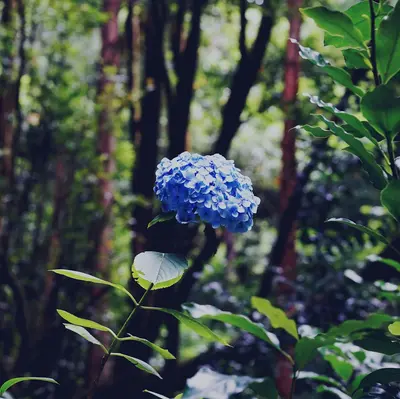
A compact native viburnum that delivers four seasons of beauty with spring's creamy white flower clusters, summer's glossy green foliage, and fall's brilliant red-orange color display. The metallic blue berries are a magnet for birds while the dense branching provides excellent structure for landscape borders. This adaptable shrub thrives in various conditions while supporting local wildlife.
Sun
Full sun to partial shade
Zones
2–8
USDA hardiness
Height
5-10 feet
Planting Timeline
Showing dates for Blue Muffin Viburnum in USDA Zone 7
All Zone 7 shrub →Zone Map
Click a state to update dates
Blue Muffin Viburnum · Zones 2–8
Growing Details
Complete Growing Guide
Light: Full sun (6 or more hours of direct sunlight a day), Partial Shade (Direct sunlight only part of the day, 2-6 hours). Soil: Clay, Loam (Silt), Sand, Shallow Rocky. Soil pH: Acid (<6.0), Neutral (6.0-8.0). Drainage: Good Drainage, Moist, Occasionally Dry. Height: 5 ft. 0 in. - 10 ft. 0 in.. Spread: 6 ft. 0 in. - 10 ft. 0 in.. Spacing: 6-feet-12 feet. Growth rate: Medium. Maintenance: Low. Propagation: Seed, Stem Cutting. Regions: Coastal, Mountains, Piedmont.
Harvesting
The fruit is 1/4 inch blue-black drupes that are attractive to birds and wildlife. Displays from July to September
Color: Black, Blue. Type: Drupe. Length: < 1 inch. Width: < 1 inch.
Garden value: Edible
Harvest time: Fall, Summer
Edibility: Edible fruit
Storage & Preservation
For cut foliage and berry branches: Place stems immediately in room-temperature water with floral preservative; fresh arrangements last 7–10 days indoors. Keep away from direct sunlight and ripening fruit (which releases ethylene gas, shortening vase life). Berry branches may drop fruit as they age—this is normal and doesn't affect the stems' display life. For long-term preservation, allow fully mature berries to air-dry on the branch in a cool, dry location (takes 2–3 weeks); dried berry clusters are attractive in wreaths and dried arrangements and stay viable for wildlife feeding through winter. Alternatively, harvest branches with mature berries and hang them upside-down in a cool garage or shed for 3–4 weeks; berries will shrivel slightly but retain their color and appeal. Pressed flowers from spring blooms can be preserved by placing freshly cut flower clusters between paper towels and pressing under weight for 2–3 weeks, yielding lovely specimens for crafts.
History & Origin
Viburnum is a genus of about 150–175 species of flowering plants in the moschatel family, Adoxaceae or its alternative name Viburnaceae. Its current classification is based on molecular phylogeny. It was previously included in the honeysuckle family Caprifoliaceae.
Advantages
- +Attracts: Butterflies, Pollinators, Small Mammals, Songbirds
- +Edible: Edible fruit
- +Low maintenance
Companion Plants
Hostas, Astilbe, and Coral Bells fit well under and around Blue Muffin because they share the same water and light requirements — consistent moisture and some afternoon shade — and in our zone 7 Georgia gardens, that partial shade is a genuine asset by mid-July, not a concession. All three top out at 12–24 inches, so root competition at Blue Muffin's 4–6 foot spacing is minimal. Serviceberry is worth adding at the canopy layer: both shrubs fruit up in the same late-spring window and together they pull enough pollinators to meaningfully improve Blue Muffin's berry set. Black Walnut is the one to avoid outright — juglone, the allelopathic compound walnut roots release, can stunt or kill Viburnum dentatum, and the decline shows up slowly enough that you'll likely spend a full growing season wondering what's wrong before making the connection.
Plant Together
Hosta
Shade-tolerant groundcover that complements viburnum's partial shade needs and provides contrasting foliage texture
Astilbe
Shares similar moisture requirements and blooms at different times, extending seasonal interest
Coral Bells
Low-growing perennial that provides colorful foliage contrast and doesn't compete for nutrients
Japanese Painted Fern
Thrives in similar light conditions and adds silvery foliage texture without root competition
Serviceberry
Native companion that attracts similar beneficial birds and pollinators, creates wildlife habitat layers
Wild Ginger
Natural woodland groundcover that helps retain soil moisture and suppress weeds
Spicebush
Native shrub companion that supports beneficial insects and creates diverse wildlife habitat
Lungwort
Early spring bloomer that provides nectar when viburnum is dormant, tolerates same growing conditions
Keep Apart
Black Walnut
Produces juglone toxin that can inhibit viburnum growth and cause leaf yellowing
Eucalyptus
Allelopathic compounds in leaves and roots can suppress viburnum growth and establishment
Tree of Heaven
Aggressive root system and allelopathic chemicals inhibit growth of native shrubs like viburnum
Pests & Disease Resistance
Resistance
Excellent disease resistance, very hardy
Common Pests
Viburnum leaf beetle (regional), scale insects
Diseases
Powdery mildew (rare), leaf spot (minimal)
Troubleshooting Blue Muffin Viburnum
What you'll see, why it happens, and what to do about it.
Leaves skeletonized — only the veins remain, often starting in midsummer
Likely Causes
- Viburnum leaf beetle (Pyrrhalta viburni) larvae feeding in spring, adults continuing damage through summer
- Egg cases overwintered in stem tissue from the previous season
What to Do
- 1.Scout stems in late winter for egg-laying scars (small, pitted rows on young wood) and prune those stems out before eggs hatch in April
- 2.Spray neem oil or spinosad on new foliage as soon as you see the tan, slug-like larvae — early intervention matters more than late spraying
- 3.If defoliation is severe two years running, consider replacing with a more resistant species like Viburnum lantanoides (hobblebush)
Waxy brown or gray bumps on stems, with leaves looking pale and weakened overall
Likely Causes
- Scale insects (commonly oystershell scale or cottony camellia scale) feeding on stem sap
- Drought-stressed plants that attract opportunistic scale populations
What to Do
- 1.Scrub light infestations off with a stiff brush and a diluted insecticidal soap solution
- 2.Apply horticultural oil in late winter before bud break to smother overwintering eggs — aim for nights holding above 40°F but before buds swell in zone 7
- 3.Deep-water twice a week so the top 6 inches stay consistently damp; scale moves in faster on plants already under heat stress
White powdery coating on leaf surfaces, mostly on shaded or crowded growth, late in the season
Likely Causes
- Powdery mildew (Erysiphe viburni) — mostly cosmetic on Blue Muffin and rarely causes serious damage
- Poor airflow from tight spacing or neighboring plants crowding in
What to Do
- 1.NC State Extension notes powdery mildew is rare and minimal on Viburnum dentatum cultivars; most plants shrug it off before first frost without intervention
- 2.If it's heavy, thin surrounding plantings to open up airflow and stop evening overhead irrigation
- 3.A single application of potassium bicarbonate spray can knock it back if the appearance bothers you
Frequently Asked Questions
How big does Blue Muffin Viburnum grow?▼
Is Blue Muffin Viburnum good for beginners?▼
When do Blue Muffin berries turn blue?▼
Can I grow Blue Muffin Viburnum in a container?▼
How much sun does Blue Muffin Viburnum need?▼
What USDA zones is Blue Muffin Viburnum hardy in?▼
Zone-by-Zone Planting Calendar
Growing Guides from Wind River Greens
Sources & References
External authority sources used in compiling this guide.
- ExtensionNC State Extension
See the Methodology page for how this data is sourced, what's AI-assisted, and known limitations.