English Ivy
Hedera helix
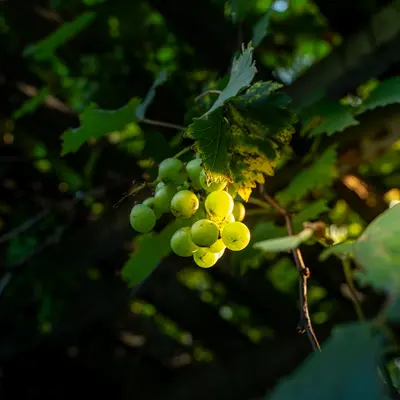
The classic evergreen climbing vine that transforms any surface into a lush green wall year-round. English Ivy's distinctive lobed leaves and vigorous climbing habit make it perfect for covering unsightly fences, walls, or creating dramatic ground cover. Its adaptability to both sun and shade conditions makes it one of the most versatile vines for home landscapes.
Sun
Full sun to partial shade
Zones
4–13
USDA hardiness
Height
20-80 feet
Planting Timeline
Showing dates for English Ivy in USDA Zone 7
All Zone 7 vine →Zone Map
Click a state to update dates
English Ivy · Zones 4–13
Growing Details
Complete Growing Guide
English Ivy thrives when planted in fall or early spring, allowing roots to establish before summer heat arrives. This cultivar prefers consistently moist but well-draining soil and adapts excellently to partial shade, though it tolerates full sun with adequate moisture. Watch for spider mites in dry conditions and root rot if drainage is poor—both common issues specific to Hedera helix. The vine can become invasive if left unchecked, so plan regular pruning to prevent it from strangling supporting structures or overtaking nearby plants. One practical tip: install a physical support structure like trellis or wire framework before planting, as English Ivy's aerial rootlets attach permanently to surfaces, making later installation difficult and potentially damaging mature vines.
Light: Dappled Sunlight (Shade through upper canopy all day), Deep shade (Less than 2 hours to no direct sunlight), Full sun (6 or more hours of direct sunlight a day), Partial Shade (Direct sunlight only part of the day, 2-6 hours). Soil: Clay, High Organic Matter, Loam (Silt), Sand, Shallow Rocky. Soil pH: Acid (<6.0), Alkaline (>8.0), Neutral (6.0-8.0). Drainage: Good Drainage, Moist, Occasionally Wet. Height: 20 ft. 0 in. - 80 ft. 6 in.. Spread: 3 ft. 0 in. - 50 ft. 0 in.. Spacing: 24-60 feet, more than 60 feet. Growth rate: Rapid. Maintenance: High. Propagation: Division, Root Cutting, Seed, Stem Cutting. Regions: Coastal, Mountains, Piedmont.
Harvesting
English Ivy is typically harvested for propagation and landscape management rather than consumption, with peak readiness indicated by mature, flexible stems that bend without snapping and leaves displaying the plant's characteristic deep green color with fully developed lobes. Continuous harvesting is preferred over single harvesting, as regular trimming encourages denser, bushier growth and prevents the vine from becoming woody and sparse. The optimal timing for harvesting is during the growing season from spring through early fall when new growth is vigorous, using sharp pruners to cut stems just above leaf nodes to promote branching. Avoid harvesting during winter dormancy or during extreme heat, as the vine is more vulnerable to stress during these periods.
Conspicuous cluster of black berry-like drupes.
Color: Black, Blue. Type: Aggregate, Berry, Drupe. Length: < 1 inch. Width: < 1 inch.
Harvest time: Fall
Edibility: Leaves and berries are toxic to humans.
Storage & Preservation
English Ivy is an ornamental vine and not harvested for storage. However, cuttings for propagation should be kept in a cool environment (60-70°F) with high humidity in a sealed plastic bag for up to 2 weeks. For long-term preservation: (1) Root cuttings in water or moist soil medium and transplant to containers for year-round growth indoors; (2) Dry pressed specimens between paper for botanical documentation, stored in cool, dry conditions; (3) Create dried arrangements by hanging stems upside-down in a dark, well-ventilated space for 2-3 weeks.
History & Origin
Native to western and central Europe, particularly regions spanning from Ireland through Scandinavia to the Mediterranean, Hedera helix has ancient roots in European ecosystems where it evolved as a forest floor climber and tree colonizer. The plant's introduction to British gardens and subsequent popularization as "English Ivy" reflects centuries of cultivation rather than deliberate breeding, making documentation of specific origins difficult. Its widespread adoption in Victorian-era landscaping solidified its association with English horticulture, though the variety itself represents a wild-collected species rather than a formal cultivar developed by named breeders or institutions. Numerous ornamental selections and leaf variants have since emerged through cultivation and selection, but the species itself remains largely unchanged from its natural European heritage.
Origin: Europe, Scandinavia east to Russia
Advantages
- +Year-round evergreen foliage provides consistent visual interest and coverage.
- +Thrives in both sun and shade, making it extremely adaptable to various locations.
- +Vigorous growth quickly covers unsightly fences, walls, and other surfaces elegantly.
- +Low maintenance once established with minimal pruning or fertilization requirements.
- +Distinctive lobed leaves create attractive texture and visual appeal on structures.
Considerations
- -Invasive tendencies can damage mortar, siding, and overtake nearby plants aggressively.
- -Susceptible to root rot in poorly drained soils, requiring careful site selection.
- -Scale insects, spider mites, and aphids frequently infest English Ivy, needing treatment.
- -Toxic to humans and pets if ingested, posing safety risks in homes.
Companion Plants
The shade-tolerant companions in this list — hostas, ferns, astilbe, Japanese painted fern, and heuchera — work well with English ivy because they share the same light and moisture requirements without much root competition. Ivy fills horizontal space at ground level while these plants grow upright above it, so they're not really fighting each other. Caladium, impatiens, and begonias slot into the same logic for warmer months; all of them want consistent moisture and handle 4-6 hours of filtered light without complaint.
The harmful companions aren't a chemical conflict — it's a territory problem. Hedera helix can extend 3-5 feet in a single growing season, and it doesn't stop at bed edges. It'll move straight into a vegetable garden or rose bed if you're not cutting it back every spring. Dense ivy foliage also overwinters scale insects and aphids at high numbers, and come May, those populations move. Anything edible or susceptible to aphid pressure — tomatoes, fruit trees, roses — should have a mowed or bare-soil buffer of at least several feet between it and the ivy.
Plant Together
Hostas
Both thrive in similar shade conditions and complement each other visually
Ferns
Share preference for moist, shaded environments and create layered woodland garden effect
Astilbe
Enjoys similar shade and moisture conditions, adds colorful blooms to ivy groundcover
Heuchera
Tolerates shade well and provides contrasting foliage colors against ivy's green
Caladium
Both prefer partial shade and create attractive textural contrast in shade gardens
Impatiens
Thrives in shade where ivy grows and adds seasonal color above ivy groundcover
Japanese Painted Fern
Complements ivy in shade gardens with silvery foliage providing visual interest
Begonia
Shares tolerance for shade and moist conditions while adding flowering elements
Keep Apart
Tomatoes
Ivy can harbor pests and diseases that affect tomatoes, and competes aggressively for nutrients
Roses
Ivy can climb and smother roses, blocking sunlight and air circulation they need
Fruit Trees
Ivy can climb trunks and compete for nutrients while potentially harboring harmful insects
Vegetable Gardens
Aggressive spreader that can quickly overtake vegetables and compete for growing space
Pests & Disease Resistance
Resistance
Generally disease resistant, may get leaf spot in humid conditions
Common Pests
Scale insects, spider mites, aphids
Diseases
Leaf spot, root rot in poorly drained soils
Troubleshooting English Ivy
What you'll see, why it happens, and what to do about it.
Sticky residue on leaves and stems, often with clusters of small bumps along the woody vines
Likely Causes
- Scale insects (armored or soft scale) — they attach to stems and feed on sap, leaving honeydew behind
- Sooty mold (Capnodium spp.) colonizing the honeydew, turning surfaces black
What to Do
- 1.Scrub light infestations off with a stiff brush dipped in soapy water (1 tablespoon dish soap per quart)
- 2.For heavier infestations, apply horticultural oil spray in early spring before new growth hardens — coat stems thoroughly
- 3.Cut back heavily infested sections entirely; the vine regrows fast
Brown or tan circular spots with yellow halos on leaves, showing up most in wet stretches of weather
Likely Causes
- Bacterial leaf spot (Xanthomonas hederae) — spreads through water splash and overhead irrigation
- Cercospora leaf spot — a fungal cause with similar appearance, more common in humid summers
What to Do
- 1.Switch to drip irrigation or water at the base; keep foliage dry
- 2.Strip affected leaves and bin them — don't compost
- 3.If spotting covers more than a third of the plant, apply a copper-based fungicide per label rate
Wilting or collapsed stems at the base despite adequate watering, with roots that look brown and mushy
Likely Causes
- Phytophthora root rot — thrives in waterlogged soil or heavy clay with poor drainage
- Mulch piled against the crown, or planting too deep, holding excess moisture at the stem base
What to Do
- 1.Pull back any mulch from the crown and let the soil surface dry for 7-10 days
- 2.If the plant is in a container, repot immediately into fresh, well-draining mix in a pot with drainage holes
- 3.In ground plantings, amend with coarse perlite or grit and raise the bed at least 4 inches if drainage is the underlying problem